15 Powerful Zero Waste Interior Design Tips for a Greener, Smarter Home
Discover powerful Zero Waste Interior Design Tips to transform your home into an eco-friendly, sustainable space while reducing waste and saving money.
Zero Waste Interior Design Tips are more than just trendy ideas — they’re a practical roadmap toward creating a healthier home and a healthier planet. If you’ve ever looked around your living space and wondered how much waste went into building or decorating it, you’re not alone. The good news? You can change that. With thoughtful choices, smart planning, and a little creativity, your home can reflect both style and sustainability.
Let’s dive in and explore how to design interiors that are beautiful, functional, and almost waste-free.
Introduction to Zero Waste Interior Design

Zero waste interior design is about reducing landfill waste at every stage of home creation — from planning and material selection to furnishing and long-term maintenance. It follows the core idea of “reduce, reuse, recycle,” but it goes even deeper.
Instead of constantly replacing décor or renovating carelessly, this approach focuses on long-lasting materials, ethical sourcing, and smart space planning. It’s about creating interiors that serve you well for years without harming the environment.
Interior design has a significant environmental footprint. Construction debris, synthetic materials, toxic finishes, and disposable décor contribute heavily to global waste. According to environmental agencies worldwide, construction and demolition waste account for a large portion of landfill content. That’s why making conscious interior choices matters more than ever.
Understanding the Core Principles of Zero Waste Design
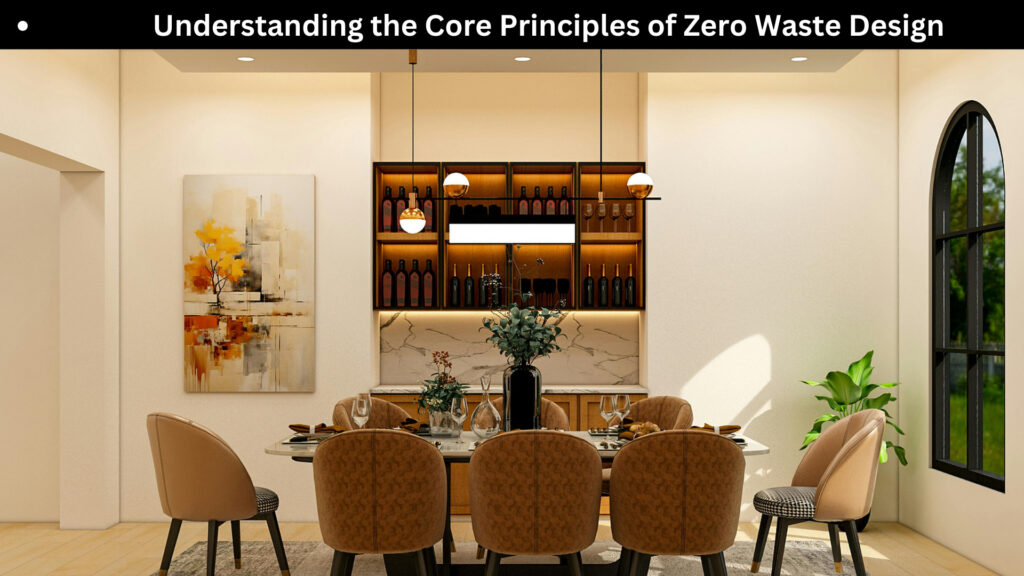
Before jumping into practical strategies, it’s crucial to understand the guiding principles behind zero waste interiors.
Reduce: Minimizing Consumption
The first and most powerful step is simply buying less. Fewer items mean fewer resources used in production, transport, and disposal.
Reuse: Extending Material Life
Instead of discarding furniture or fixtures, consider refurbishing them. A fresh coat of eco-friendly paint or new upholstery can breathe life into old pieces.
Recycle: Responsible Disposal
When items truly reach the end of their life cycle, ensure they’re recycled properly. Many materials like glass, metal, and wood can be reprocessed.
Refuse & Rethink
Say no to unnecessary purchases. Ask yourself: “Do I truly need this?” If not, skip it. Conscious consumption is the backbone of sustainability.
Choose Sustainable and Renewable Materials
Material selection can make or break your sustainability goals.
Opt for renewable resources such as bamboo and cork. Bamboo grows rapidly and regenerates without replanting, making it an excellent flooring or furniture option. Cork is harvested without harming trees, and it offers natural insulation.
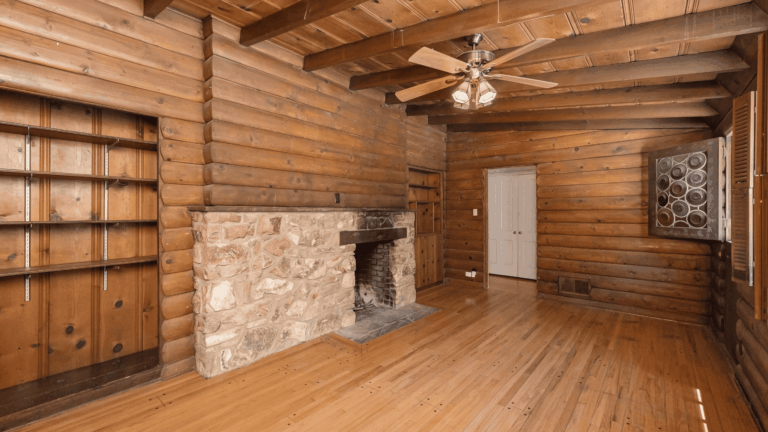
Reclaimed wood is another fantastic choice. It prevents deforestation and gives your space a rustic, character-rich look.
Natural fibers like organic cotton, wool, and linen are better alternatives to synthetic textiles. They decompose naturally and often contain fewer harmful chemicals.
Embrace Upcycled and Reclaimed Furniture
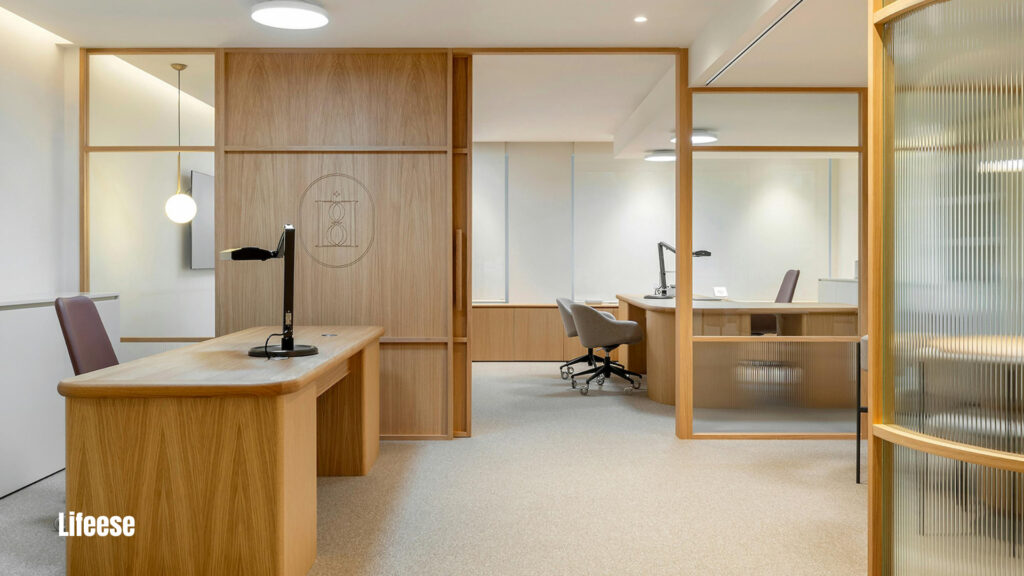
You don’t always need brand-new furniture. Thrift shops, estate sales, and vintage markets often carry solid wood pieces that outlast modern mass-produced items.
Restoration projects are surprisingly rewarding. Sanding, repainting, or reupholstering can transform outdated pieces into statement furniture.
Not only does this reduce waste, but it also saves money — a win-win!
Design for Durability and Longevity
Fast furniture is like fast fashion — trendy but short-lived.
Invest in quality craftsmanship. Solid wood frames, reinforced joints, and durable fabrics may cost more upfront but save money in the long run.
Timeless styles — neutral colors, classic lines — reduce the urge to redecorate frequently.
Plan Efficient Space Utilization
Efficient layouts prevent overcrowding and unnecessary purchases.
Multi-functional furniture, like sofa beds or extendable dining tables, maximizes utility. Built-in shelving reduces the need for additional storage units.
In small homes, vertical storage can dramatically increase space efficiency.
Reduce Construction and Renovation Waste
Instead of demolishing walls, consider deconstruction. Salvage doors, cabinets, and tiles for reuse.
Many organizations accept donated construction materials. Check platforms like Habitat for Humanity’s ReStore (https://www.habitat.org/restores) for donation options.
Choose Eco-Friendly Paints and Finishes
Conventional paints release volatile organic compounds (VOCs). Low-VOC or zero-VOC paints improve indoor air quality.
Natural finishes like beeswax and plant-based oils are safer and biodegradable.
Invest in Energy-Efficient Lighting and Appliances
Switching to LED lighting significantly reduces energy consumption and lasts much longer than incandescent bulbs.
Energy-efficient appliances not only cut electricity bills but also reduce carbon emissions.
Adopt Minimalist Interior Design Principles
Minimalism aligns perfectly with zero waste philosophy.
Declutter regularly. Keep what adds value or joy. Avoid impulse décor purchases.
Intentional living spaces feel calmer and function better.
Incorporate Indoor Plants and Biophilic Design
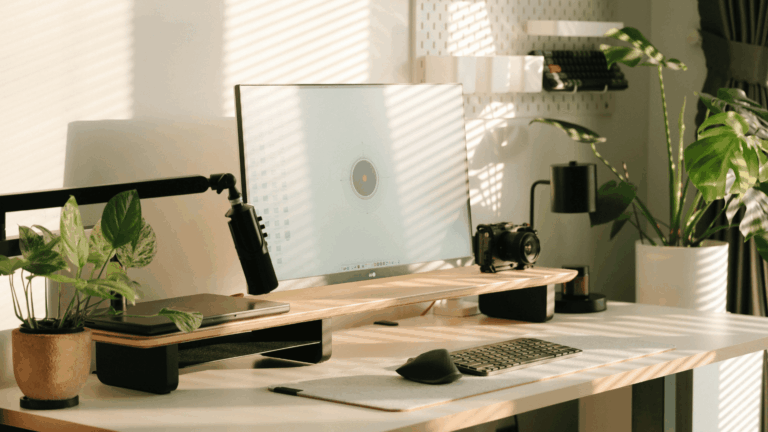
Indoor plants improve air quality and enhance well-being.
Maximize natural light to reduce reliance on artificial lighting during the day.
Support Local and Ethical Brands
Buying locally reduces transportation emissions.
Ethical brands prioritize fair labor and sustainable sourcing practices.
Smart Storage Solutions to Prevent Waste
Built-in storage minimizes the need for extra furniture.
Reusable containers and modular systems reduce clutter and material waste.
Composting and Waste Segregation at Home
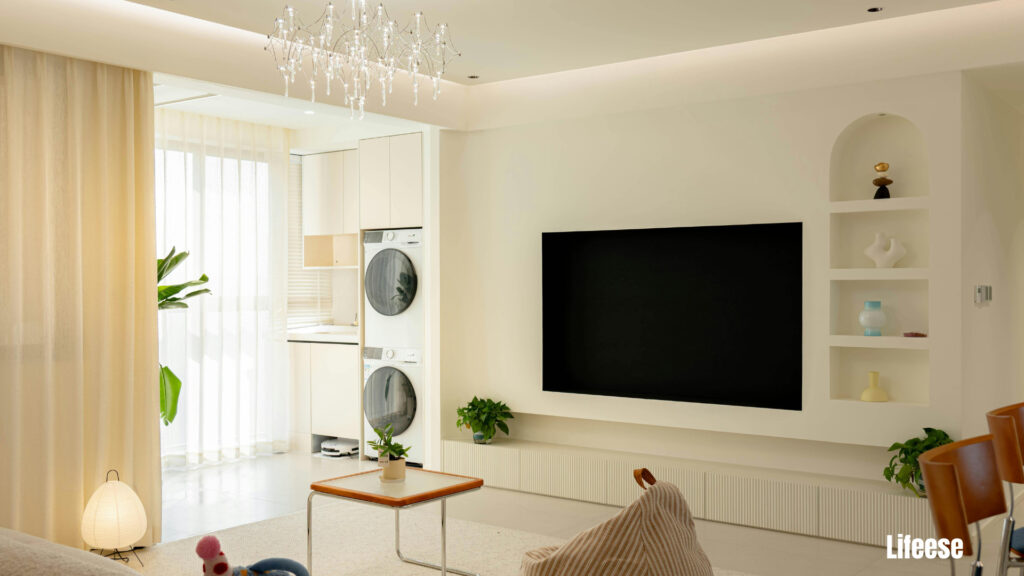
Designate areas for recycling and composting in kitchen layouts.
Under-sink compost bins make organic waste management simple.
Water Conservation in Interior Design
Install low-flow faucets and showerheads.
Greywater systems reuse sink or shower water for irrigation.
Sustainable Flooring Choices
Recycled tiles and polished concrete floors reduce material waste.
Natural stone from ethical sources provides longevity and timeless appeal.
Future-Proofing Your Interior Design
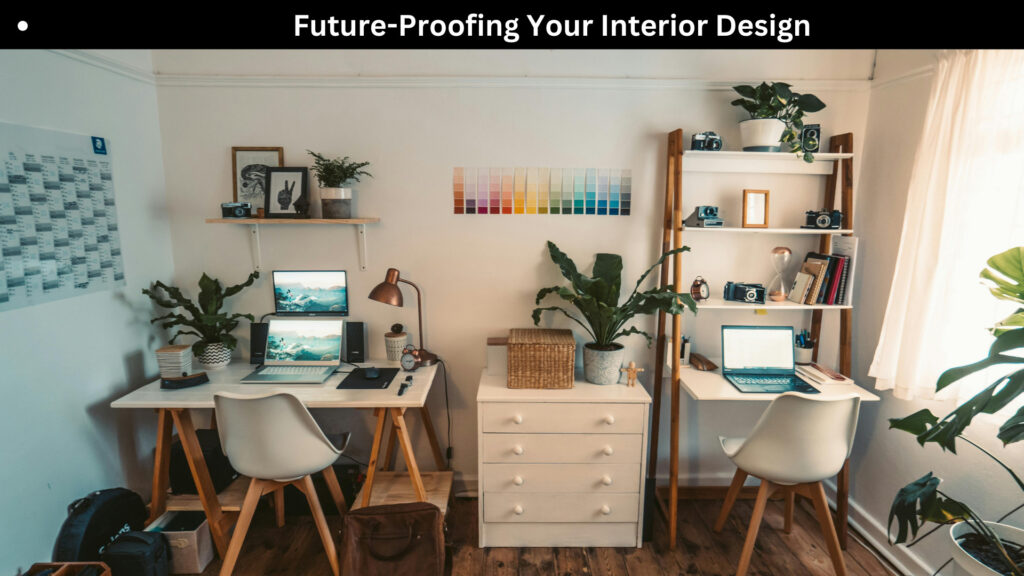
Flexible layouts adapt to changing family needs.
Design with adaptability in mind — movable partitions, modular furniture, and neutral palettes help spaces evolve.
FAQs
What is zero waste interior design?
It is a design approach focused on minimizing waste during construction, furnishing, and daily living.
Is sustainable interior design expensive?
Not necessarily. While some materials cost more upfront, durability saves money long term.
How can I start with small changes?
Begin by decluttering, switching to LED lights, and choosing reusable décor items.
Are eco-friendly materials durable?
Yes. Materials like bamboo and reclaimed wood are highly durable when maintained properly.
Can zero waste design work in apartments?
Absolutely. Small-space optimization and mindful purchasing make a big impact.
Does zero waste design improve health?
Yes. Low-VOC materials and natural light improve indoor air quality.
Conclusion
Zero Waste Interior Design Tips empower you to rethink how your home functions and feels. By choosing sustainable materials, investing in durable pieces, and planning thoughtfully, you reduce environmental impact without sacrificing style.