Powerful & Practical 21 Textured Wall Finish Ideas to Transform Any Space
Textured Wall Finish Ideas that are practical, stylish, and budget-friendly—discover expert-approved techniques, materials, and design inspiration to elevate your interiors with confidence.
Understanding Textured Wall Finishes
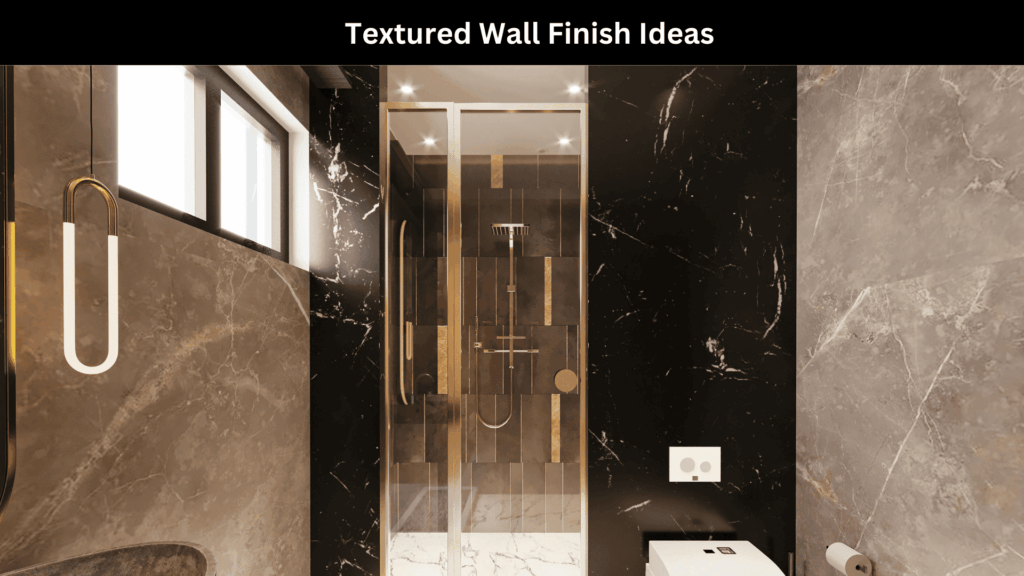
Textured wall finishes have moved far beyond their traditional role of hiding wall flaws. Today, they are celebrated as a design feature in their own right. From subtle plaster effects to bold three-dimensional panels, texture brings walls to life, adding personality and depth that flat paint simply cannot achieve.
A textured wall finish refers to any surface treatment that creates a raised, patterned, or tactile effect on a wall. These finishes can be created using plaster, paint additives, natural materials, panels, or specialized tools. Designers and homeowners alike are embracing textured wall finish ideas because they offer a unique blend of beauty and practicality.
In modern interiors, texture plays a crucial role in balancing minimalism. Clean furniture lines, neutral color palettes, and open layouts can sometimes feel cold or flat. Texture softens these spaces. It adds warmth, movement, and a sense of craftsmanship—qualities that make a house feel like a home.
Benefits of Using Textured Wall Finishes
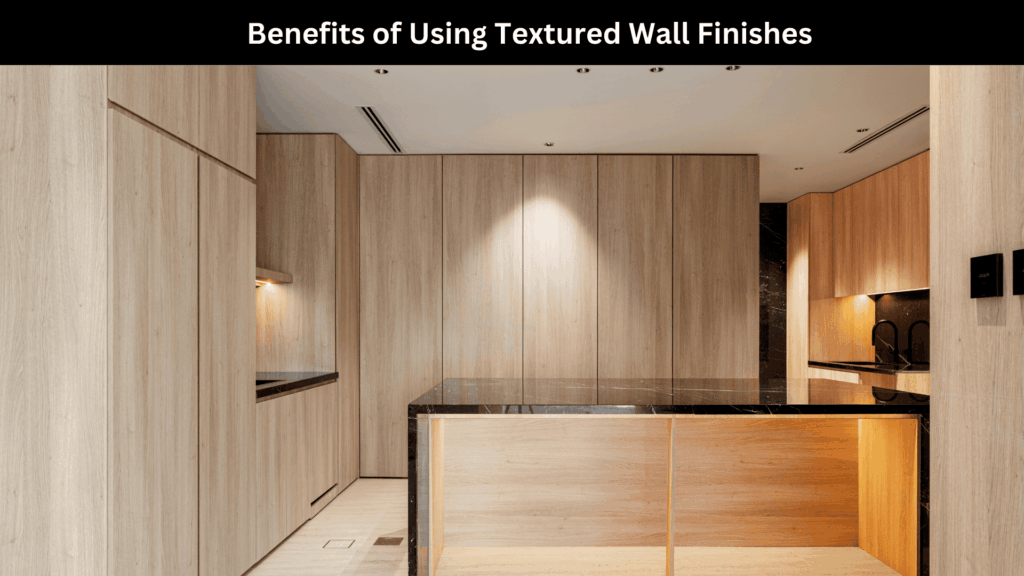
One of the biggest advantages of textured walls is visual depth. A textured surface interacts with light and shadow throughout the day, creating subtle changes that keep a room visually interesting. This makes even simple spaces feel layered and intentional.
Durability is another key benefit. Many textured finishes, such as plaster or stucco, are more resistant to minor scratches and wear than smooth painted walls. They also offer an extra layer of surface protection, which is especially helpful in high-traffic areas like hallways and living rooms.
Textured wall finishes are also excellent at concealing imperfections. Uneven surfaces, hairline cracks, or old patchwork can disappear beneath a well-chosen texture. This makes textured wall finish ideas a smart option for renovation projects where achieving perfectly smooth walls would be costly or time-consuming.
Popular Types of Textured Wall Finish Ideas
Stucco and Plaster Finishes
Plaster-based textures are timeless and versatile. They can be smooth and polished or rough and rustic, depending on the technique used.
Venetian plaster is one of the most luxurious options available. Applied in thin layers and polished to a soft sheen, it creates a marble-like appearance with depth and elegance. This finish works beautifully in formal living rooms, dining areas, and master bedrooms.
Lime wash textures offer a softer, more organic look. Made from natural lime, this finish allows walls to breathe and develops a subtle, chalky movement as it dries. Lime wash is especially popular in Mediterranean, farmhouse, and coastal interiors.
Knockdown and Orange Peel Textures
Knockdown and orange peel finishes are commonly seen in residential interiors, particularly in modern and transitional homes. Orange peel texture has a fine, slightly bumpy surface that resembles citrus skin. It adds interest without overwhelming the space.
Knockdown texture takes this idea a step further. After spraying the texture, it is gently flattened with a trowel, creating a mottled, irregular pattern. These finishes are practical, affordable, and easy to maintain, making them ideal for family homes.
Sand Swirl and Comb Techniques
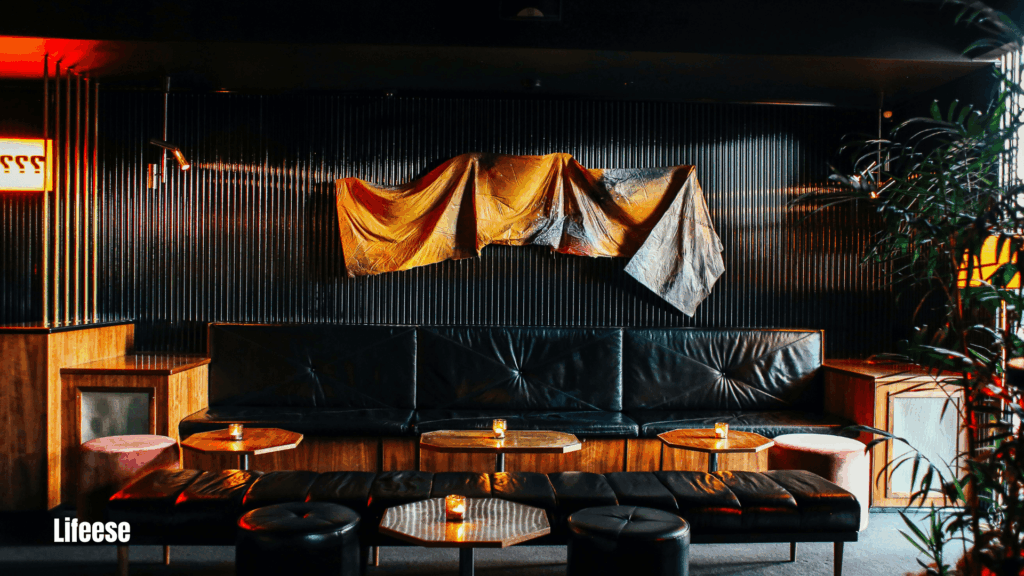
Sand swirl textures use sand mixed into paint or plaster to create sweeping, circular patterns. Comb techniques involve dragging a notched tool through wet plaster to form linear or wave-like designs. Both methods add movement and work well as accent walls.
Natural Material–Inspired Textured Walls
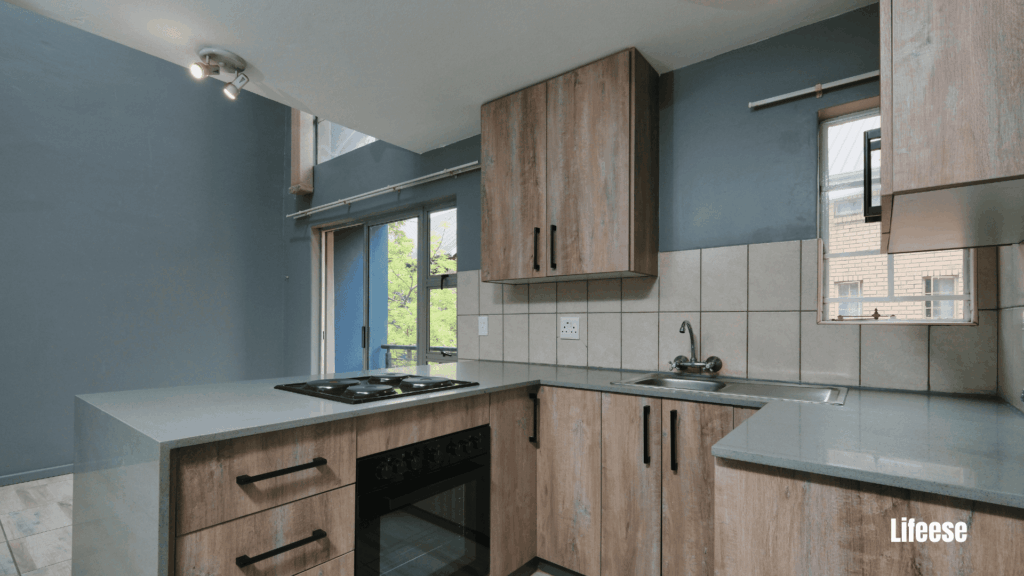
Nature-inspired textures remain a favorite among designers because they bring an organic, grounded feel to interiors.
Stone and Brick Texture Finishes
Exposed brick walls offer raw charm and character. Whether original or replicated with brick slips, they suit industrial, rustic, and urban styles. Faux stone finishes, on the other hand, provide the look of natural stone without the weight or cost, making them easier to install.
Wood Panel and Wood-Grain Textures
Wood-inspired textured walls add warmth and acoustic benefits. Options range from real wood panels to molded finishes that mimic wood grain. These textures work beautifully in bedrooms, offices, and living spaces where comfort is key.
Contemporary and Artistic Textured Wall Ideas
Modern interiors often call for bold statements, and texture delivers.
Concrete and cement finishes have become iconic in contemporary design. Their smooth yet imperfect look pairs well with minimalist furniture and industrial lighting. Metallic and pearlized textures add subtle shimmer, reflecting light in sophisticated ways.
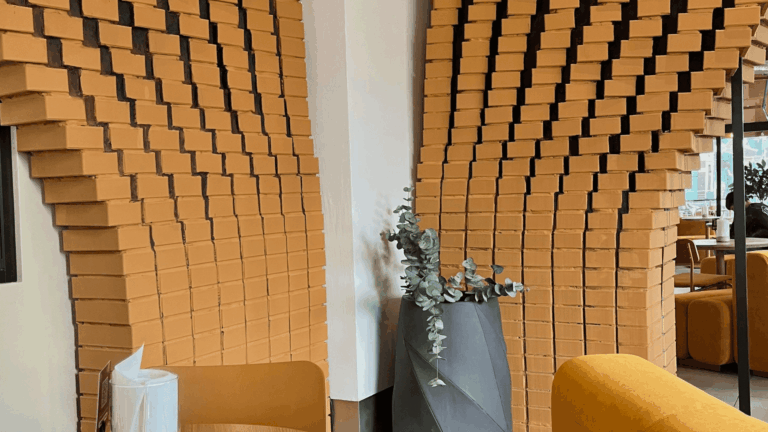
Geometric and 3D wall panels push texture into the realm of art. These panels create strong visual impact and are often used as feature walls in living rooms, staircases, or commercial spaces.
Room-by-Room Textured Wall Finish Ideas
In living rooms, textured feature walls anchor the space and create a focal point behind sofas or media units. Bedrooms benefit from softer textures behind the headboard, adding coziness without distraction.
Kitchens and dining areas can handle texture when durable, washable materials are used. Bathrooms, meanwhile, require moisture-resistant finishes such as sealed plaster or textured tiles to ensure longevity.
Choosing the Right Texture for Your Space
Selecting the right texture involves balancing style, scale, and lighting. Large, bold textures suit spacious rooms, while subtle finishes work better in compact areas. Natural light enhances texture, while artificial lighting can be used to highlight it strategically.
Matching texture with your overall design style ensures cohesion. Rustic interiors favor rough, organic finishes, while modern spaces benefit from refined, controlled textures.
DIY vs Professional Textured Wall Finishes
DIY textured walls can be rewarding and cost-effective for simple techniques like sponge painting or knockdown finishes. However, advanced methods such as Venetian plaster require skill and experience.
Hiring a professional ensures consistent results, especially for large areas or high-end finishes. The investment often pays off in durability and appearance.
Maintenance and Longevity of Textured Walls
Textured walls are generally easy to maintain. Regular dusting and gentle cleaning keep them looking fresh. Minor damage can often be repaired without repainting the entire wall, which is a major advantage over flat finishes.
Sustainable and Eco-Friendly Textured Wall Options
Eco-conscious homeowners are increasingly choosing natural plasters, clay finishes, and low-VOC products. These materials improve indoor air quality while offering beautiful, earthy textures.
Cost Factors and Budget Planning
Costs vary based on materials, labor, and complexity. Simple paint textures are budget-friendly, while bespoke plaster finishes fall on the premium end. Planning ahead helps balance aesthetics and affordability.
Common Mistakes to Avoid with Textured Walls
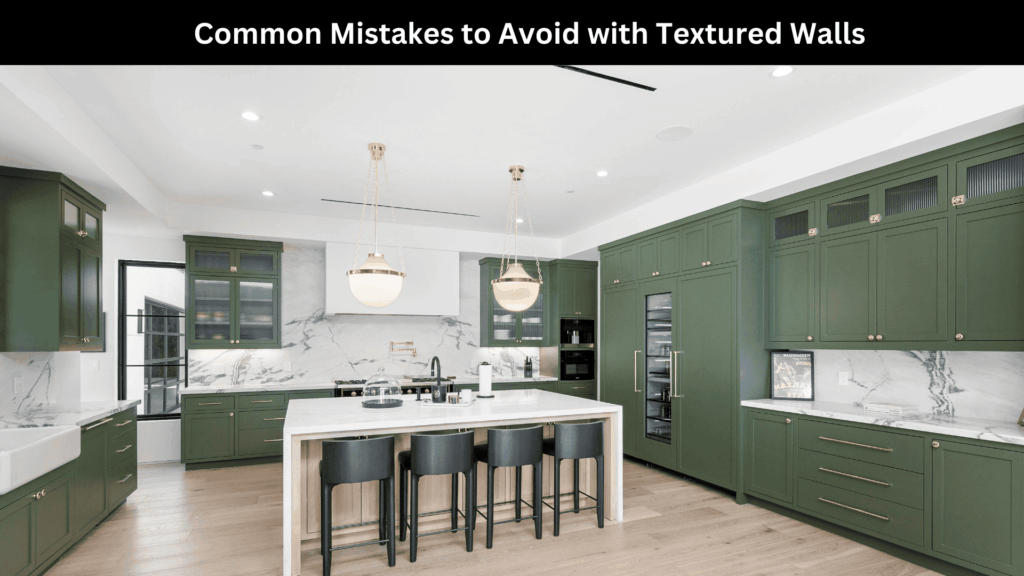
Overusing texture, ignoring lighting, and choosing the wrong scale are common pitfalls. Texture should enhance a space, not overwhelm it.
FAQs
Are textured walls harder to clean than smooth walls?
Not necessarily. Most modern textures are easy to dust and wipe when sealed properly.
Can textured walls be painted over later?
Yes, though deep textures may require extra coats or primer.
Do textured walls suit small rooms?
Yes, when subtle textures are used thoughtfully.
Are textured wall finishes expensive?
Costs vary widely, from affordable DIY options to premium artisan finishes.
Can textured walls increase home value?
Well-executed textures can enhance visual appeal and perceived quality.
Are textured walls outdated?
No—modern techniques keep textured wall finish ideas fresh and relevant.
Conclusion
Textured wall finishes transform ordinary walls into expressive design elements. Whether you prefer understated elegance or bold artistic statements, the right texture adds depth, warmth, and character. By choosing materials wisely and applying them thoughtfully, textured wall finish ideas can elevate your interiors for years to come.