Split Level Home Design: 15 Brilliant Advantages and Smart Ideas for Modern Living
Split Level Home Design offers smart space planning, privacy, and flexibility. Discover 15 brilliant advantages and modern ideas for comfortable living.
Introduction to Split-Level Architecture
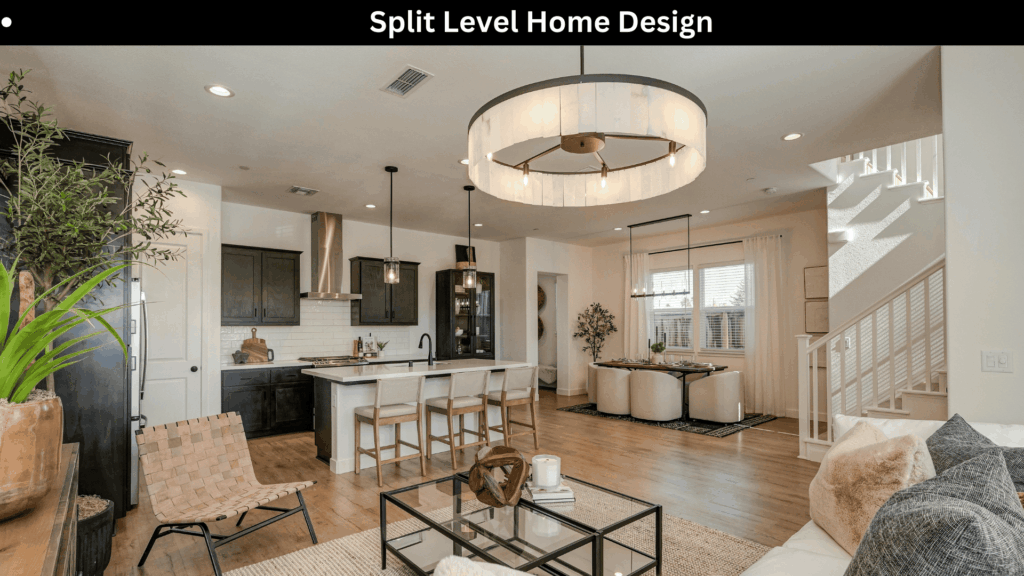
Split Level Home Design has long been admired for its smart use of space and practical layout. If you’ve ever walked into a house where a short set of stairs leads up to bedrooms and another set leads down to a cozy family room, you’ve likely experienced this style firsthand. It’s clever, compact, and surprisingly modern—even though it first gained popularity decades ago.
This design became widely popular in North America during the 1950s and 1960s. Families were moving into suburban neighborhoods, and builders needed affordable homes that made the most of smaller plots. Instead of spreading rooms across one large floor or stacking them in tall two-story homes, architects created staggered levels. That simple idea changed residential architecture forever.
Origins and Evolution of Multi-Level Homes
After World War II, housing demand skyrocketed. Developers looked for creative ways to build efficiently without sacrificing comfort. Split-level layouts allowed homes to fit beautifully on sloped land. Instead of flattening a hill, builders worked with the terrain. Smart, right?
Over time, the design evolved. Today’s versions feature open floor plans, large windows, and sleek finishes. Modern homeowners are rediscovering the charm of these homes and giving them fresh updates.
Key Features of Split-Level Home Design
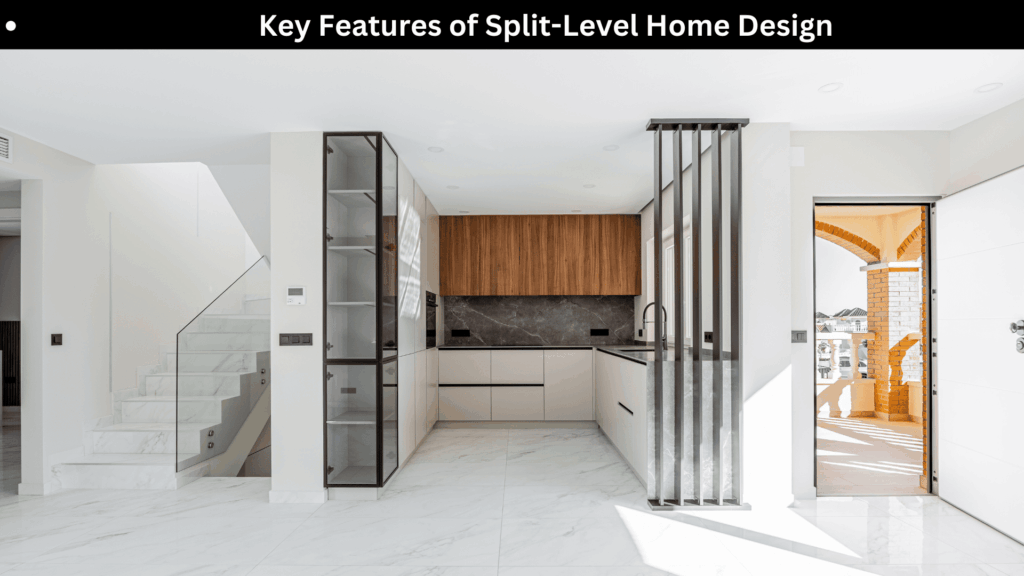
At its core, Split Level Home Design divides the home into multiple staggered floors connected by short staircases. Unlike traditional two-story homes, the levels overlap. This creates natural separation between living areas.
Entry-Level Living Spaces
The main entrance usually opens into a foyer or living room. From here, a short staircase goes up to bedrooms and another goes down to a lower-level family room or basement.
This layout creates a smooth traffic flow. Guests stay on the main level, while private spaces remain tucked away.
Upper-Level Private Zones
Bedrooms and bathrooms are typically located on the upper level. This separation enhances privacy, especially for families. Parents can enjoy peace and quiet while kids play downstairs.
Lower-Level Functional Areas
The lower level often includes a recreation room, office, or garage access. Some homes even feature walk-out basements that connect to the backyard.
Types of Split-Level House Layouts
Not all split-level homes look the same. There are several variations.
Side Split Floor Plan
In a side split, levels are visible from the front. The garage sits on one side, with living areas stacked beside it.
Back Split Configuration
Here, the staggered levels are visible from the side but hidden from the front, creating a more traditional facade.
Raised Ranch (Bi-Level) Design
The raised ranch features a landing at the entrance. From there, stairs lead up and down. It’s efficient and budget-friendly.
Benefits of Split-Level Living
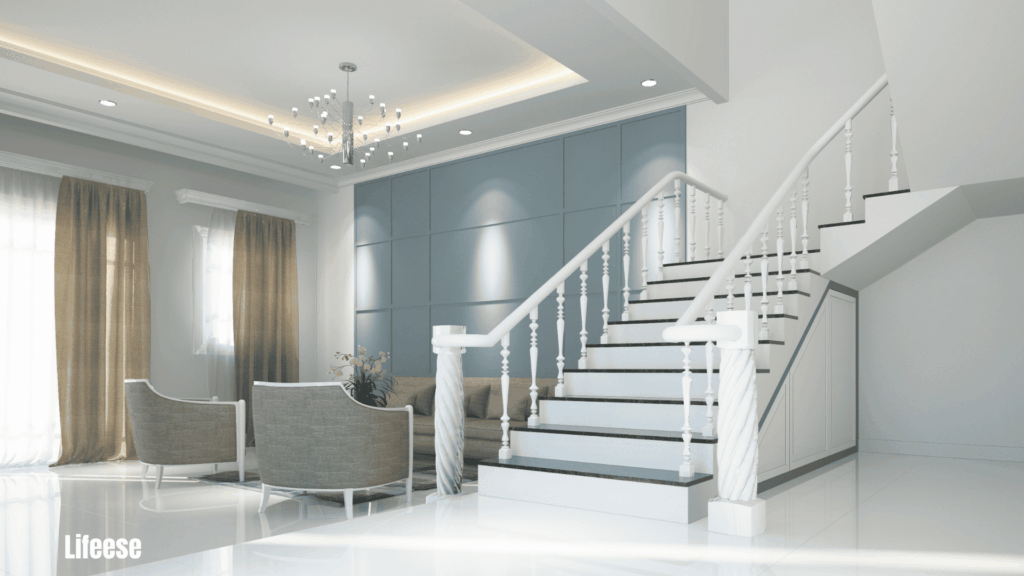
There’s a reason this design keeps making a comeback.
- Clear separation between living and sleeping areas
- Better noise control
- Efficient use of land
- Affordable construction
Energy Efficiency and Insulation
Because levels are compact, heating and cooling systems can work more efficiently. Thermal zoning keeps bedrooms cozy and living areas comfortable.
Smart Use of Sloped Lots
Split-level homes shine on uneven terrain. Instead of fighting the slope, they embrace it.
Challenges and Considerations
Of course, no design is perfect.
Stairs may pose challenges for elderly residents. Accessibility upgrades like stair lifts can help. Resale value depends on location, but updated homes tend to perform well in competitive markets.
Interior Design Strategies for Split-Level Homes
Open-concept renovations are popular. Removing non-load-bearing walls can create brighter spaces.
Creating Visual Flow
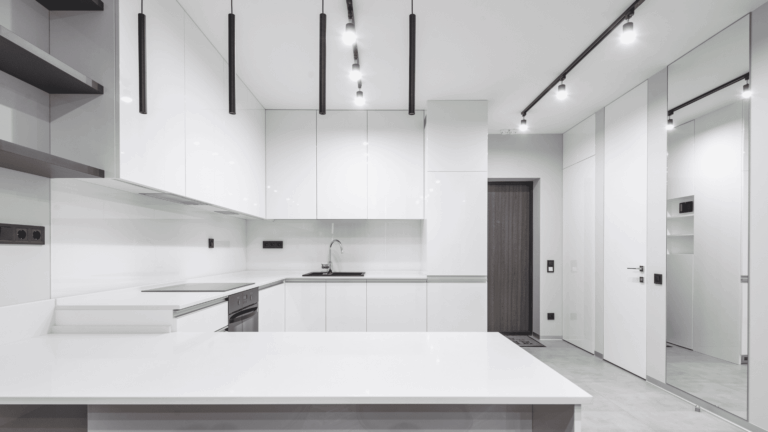
Use consistent flooring and light color palettes. This makes separate levels feel unified.
Maximizing Natural Light
Large windows, skylights, and glass railings brighten interiors and reduce energy costs.
Exterior Design and Curb Appeal
Modern siding, stone veneers, and updated roofing can transform mid-century facades. Landscaping also enhances appeal.
Renovation and Remodeling Ideas
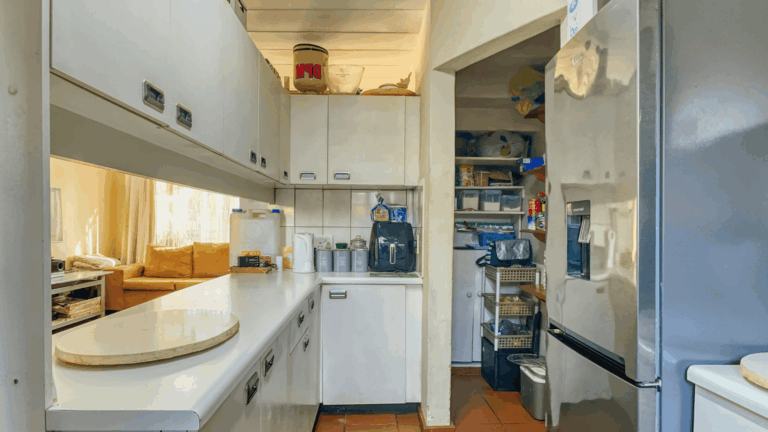
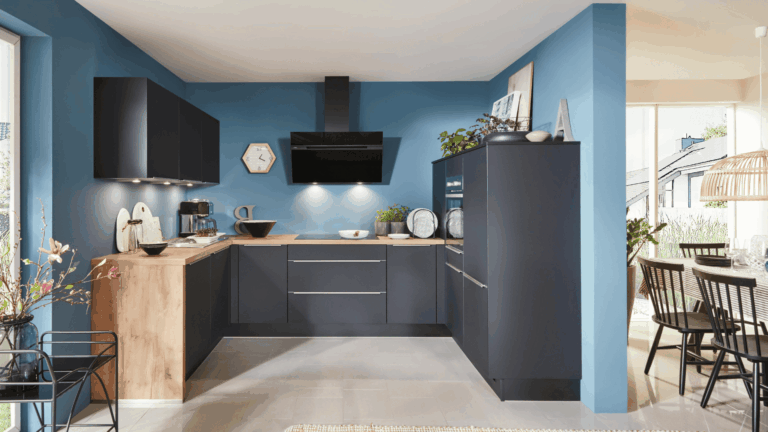
Kitchen remodels often top the list. Expanding countertops and adding islands improve functionality.
For structural changes, always consult licensed professionals or trusted organizations like the American Institute of Architects.
Furniture Placement Tips
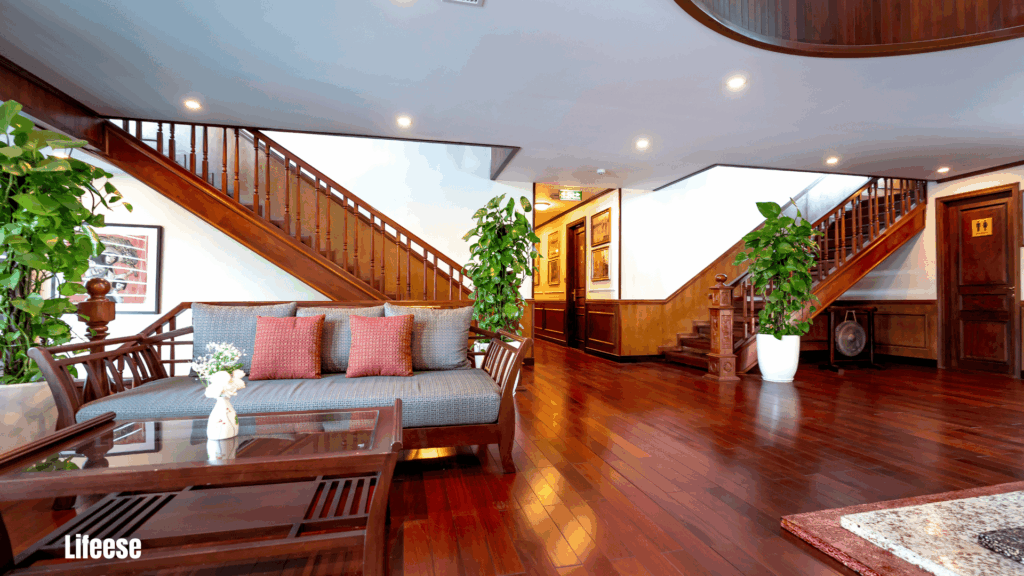
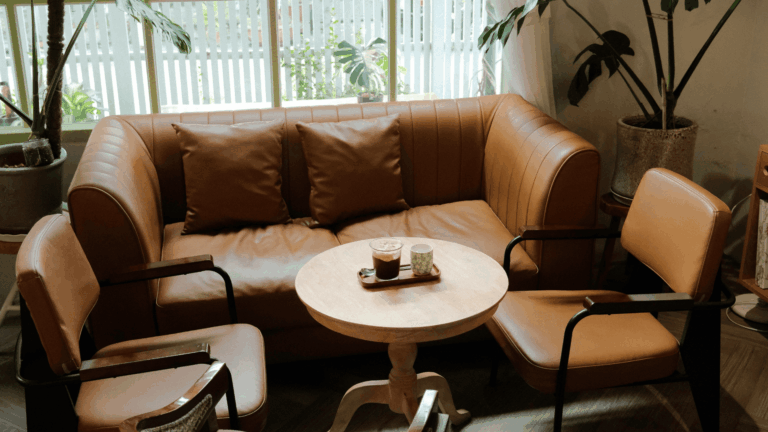
Sectionals define seating areas naturally. Multi-functional furniture saves space.
Storage Solutions in Split-Level Homes
Under-stair drawers and built-in cabinets maximize every inch.
Split-Level Home Design for Families
Families love the separation of quiet and active zones. Teens can enjoy independence downstairs.
Investment Potential and Market Trends
Many buyers now appreciate mid-century architecture. Renovated split-level homes often sell quickly.
Sustainability and Smart Home Integration
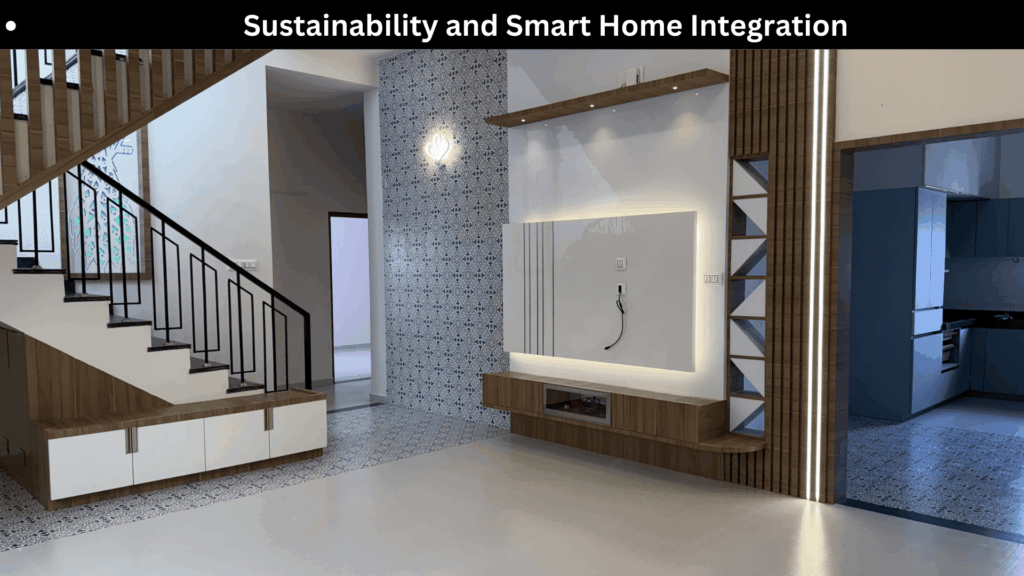
Solar panels fit well on multi-angled roofs. Smart thermostats improve energy management.
FAQs
Are split-level homes cheaper to build?
Yes, they typically require less foundation work than full two-story homes.
Are they good for small lots?
Absolutely. They maximize vertical space efficiently.
Can they be remodeled into open-concept homes?
In many cases, yes—though structural walls must be evaluated.
Are split-level homes outdated?
Not at all. With modern updates, they feel fresh and contemporary.
Do they work well for large families?
Yes, because they offer natural separation of spaces.
Are they energy efficient?
They can be, especially with updated insulation and HVAC systems.
Conclusion
Split Level Home Design blends practicality with charm. It offers flexibility, privacy, and architectural character that stands the test of time. While stairs may require consideration, the benefits often outweigh the drawbacks. With thoughtful updates and smart planning, this timeless design can meet modern needs beautifully.