Reclaimed Wood Accent Wall: 15 Powerful Benefits and Smart Design Ideas for a Stunning Space
Reclaimed Wood Accent Wall guide revealing 15 powerful benefits, expert installation tips, sustainable design ideas, and smart ways to transform your space beautifully.
A Reclaimed Wood Accent Wall is more than just a design trend — it’s a bold, character-rich statement that brings warmth, history, and sustainability into any room. In today’s world, where homeowners care about eco-friendly living and timeless style, reclaimed timber has stepped into the spotlight. And honestly? It’s easy to see why.
Old barn boards, salvaged factory planks, and repurposed lumber carry stories in every grain line. They’ve stood through storms, seasons, and decades of use. When installed as an accent wall, they turn an ordinary space into something unforgettable.
Let’s dive deep into everything you need to know — from sustainability benefits and design styles to installation, maintenance, and expert tips.
Introduction to Reclaimed Wood in Modern Interior Design
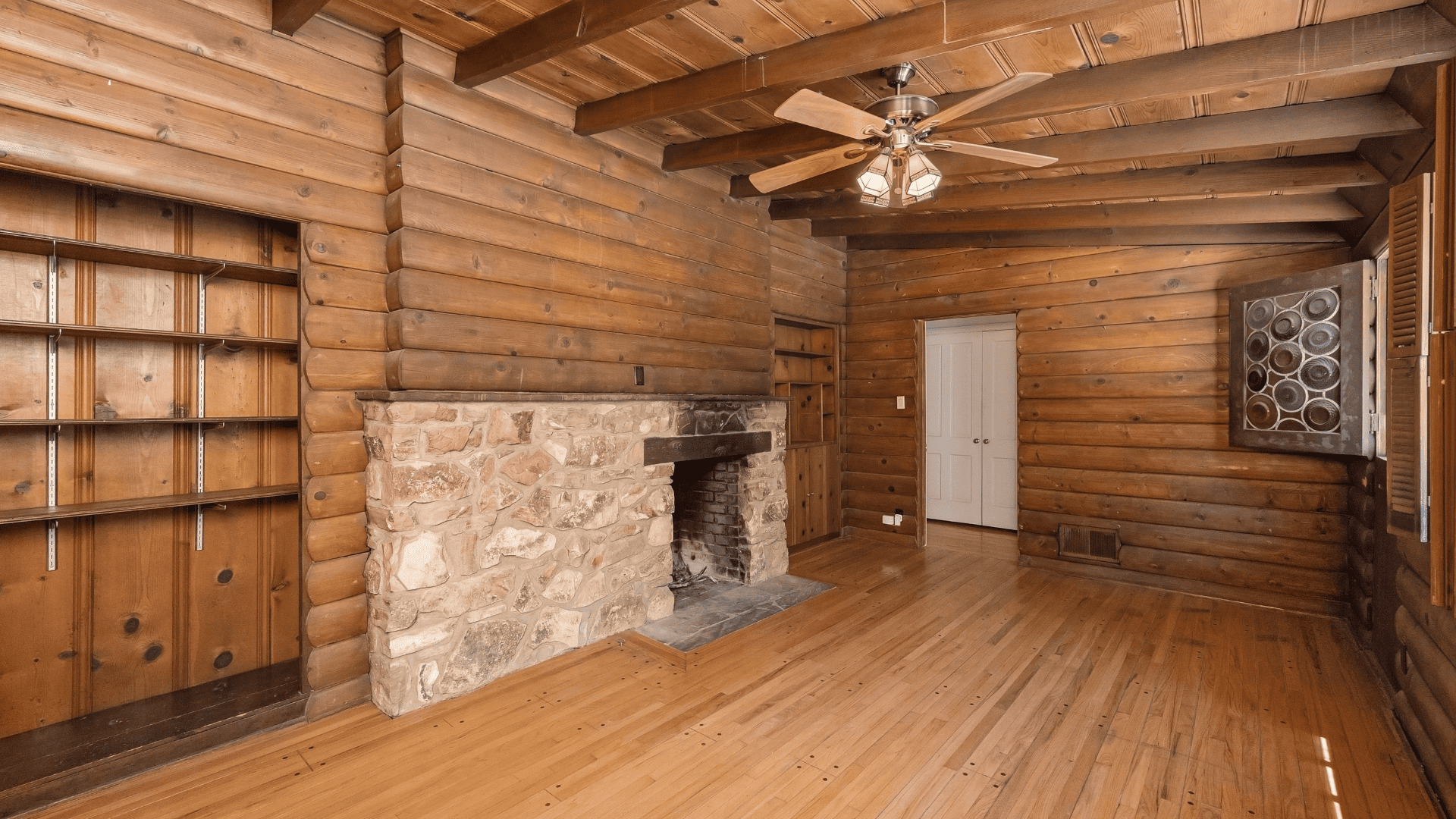
Reclaimed wood refers to timber that has been salvaged from old buildings, barns, warehouses, shipping pallets, and even retired ships. Instead of cutting down new trees, designers reuse existing wood. That’s smart design with heart.
Over the past decade, sustainable interior design has grown rapidly. Organizations like the U.S. Green Building Council encourage eco-conscious construction through programs such as LEED certification. Reclaimed lumber supports these green initiatives beautifully.
What Makes Reclaimed Timber Unique?
Unlike fresh-cut lumber, reclaimed wood has:
- Natural patina developed over decades
- Nail holes and saw marks
- Weathered textures
- Rich, aged grain patterns
No two planks look the same. That’s the magic. You’re not just decorating — you’re preserving history.
Why Accent Walls Remain Popular in Contemporary Homes
Accent walls create:
- Visual contrast
- Depth and dimension
- A focal point
- Architectural interest
Wood brings warmth that paint simply cannot match. It balances modern furniture and softens industrial spaces.
Environmental and Sustainability Advantages
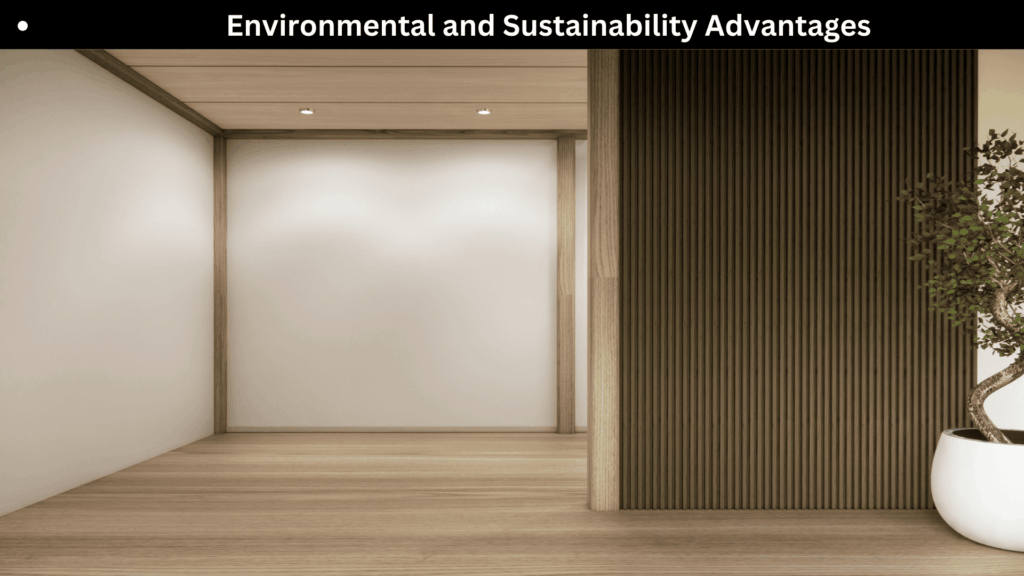
Choosing reclaimed timber helps reduce deforestation. Instead of cutting new trees, existing materials are reused. That lowers environmental impact significantly.
Supporting Green Building Practices
Many eco-conscious builders aim for LEED points. Reclaimed materials contribute to sustainable sourcing and waste reduction credits. It’s a win-win — good for the planet and great for property value.
Reducing Construction Waste Through Repurposed Wood
Old barns and factories often end up demolished. Salvaging wood prevents it from heading to landfills. Salvage yards carefully inspect and treat lumber before resale.
By repurposing wood:
- Carbon emissions are reduced
- Energy consumption decreases
- Waste volume shrinks
Pretty impressive for something that also looks stunning, right?
Types of Reclaimed Wood for Accent Walls
Not all reclaimed wood is created equal. Let’s break it down.
Barn Wood
Highly popular, barn wood features deep textures and rustic charm. It’s perfect for farmhouse-inspired interiors.
Pallet Wood
Affordable and widely available, pallet wood works well for DIY projects. However, it must be heat-treated and cleaned thoroughly.
Shiplap Boards
Originally used in ships and barns, shiplap boards interlock neatly. They provide a clean, horizontal look.
Softwood vs Hardwood Options
| Feature | Softwood | Hardwood |
|---|---|---|
| Durability | Moderate | High |
| Grain Pattern | Simple | Rich |
| Cost | Lower | Higher |
| Ideal For | Bedrooms | Living Rooms |
Hardwoods like oak are extremely durable, while pine offers a softer, rustic aesthetic.
Finishes: Natural, Whitewashed, Stained, or Sealed
Finishing options include:
- Clear matte sealant for natural look
- Whitewash for Scandinavian style
- Dark stain for dramatic contrast
- Gloss seal for moisture resistance
Each finish changes the mood of the space.
Design Styles That Complement Reclaimed Wood Walls
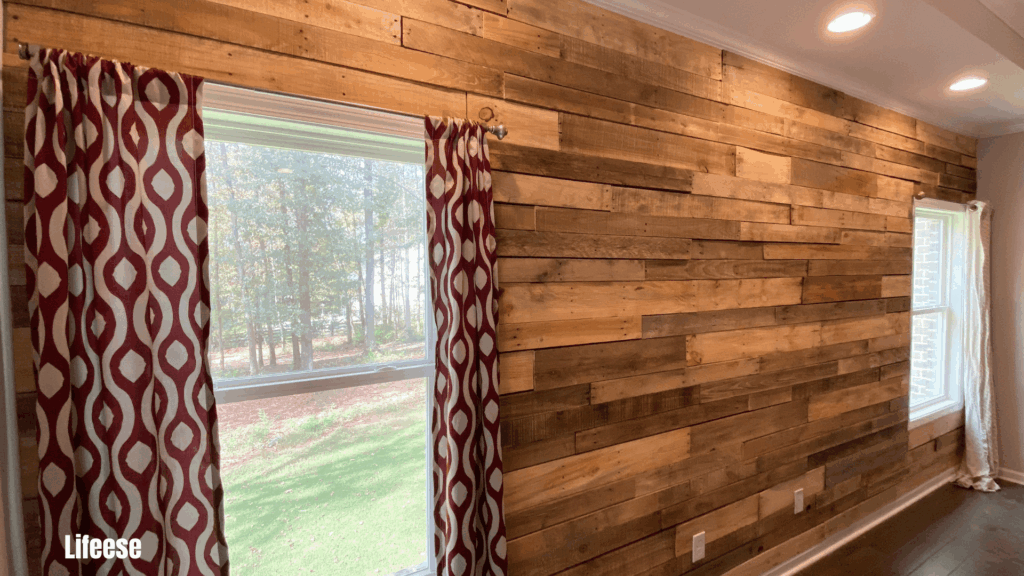
Reclaimed timber adapts to many styles.
Rustic Farmhouse
Pair with linen fabrics and wrought iron fixtures.
Industrial Loft
Combine wood with exposed brick and metal beams.
Scandinavian Minimalism
Light woods and neutral palettes create airy warmth.
Blending Wood with Modern Materials
Wood pairs beautifully with:
- Glass
- Steel
- Concrete
Even iconic designers like Frank Lloyd Wright embraced natural materials to connect buildings with nature.
Lighting Techniques to Enhance Texture
Use:
- Wall sconces
- LED strip lighting
- Pendant fixtures
Directional lighting highlights grain and depth dramatically.
Planning and Measuring for Installation
Proper preparation prevents headaches later.
Wall Preparation
Ensure:
- Dry surface
- Smooth drywall
- No mold or moisture issues
Moisture barriers may be needed in humid climates.
Tools and Materials Required
- Level
- Stud finder
- Construction adhesive
- Nail gun
- Saw
DIY vs Professional Installation
DIY saves money but requires precision. Professional installers ensure:
- Proper alignment
- Structural stability
- Clean finishing
If unsure, hire a pro.
Step-by-Step Installation Guide
- Clean wall surface
- Locate studs
- Plan board layout
- Start from bottom
- Secure each plank
- Check alignment frequently
Safety Precautions During Installation
- Wear gloves
- Use eye protection
- Inspect for old nails
- Check for pests
Safety first — always.
Cost Breakdown and Budget Planning
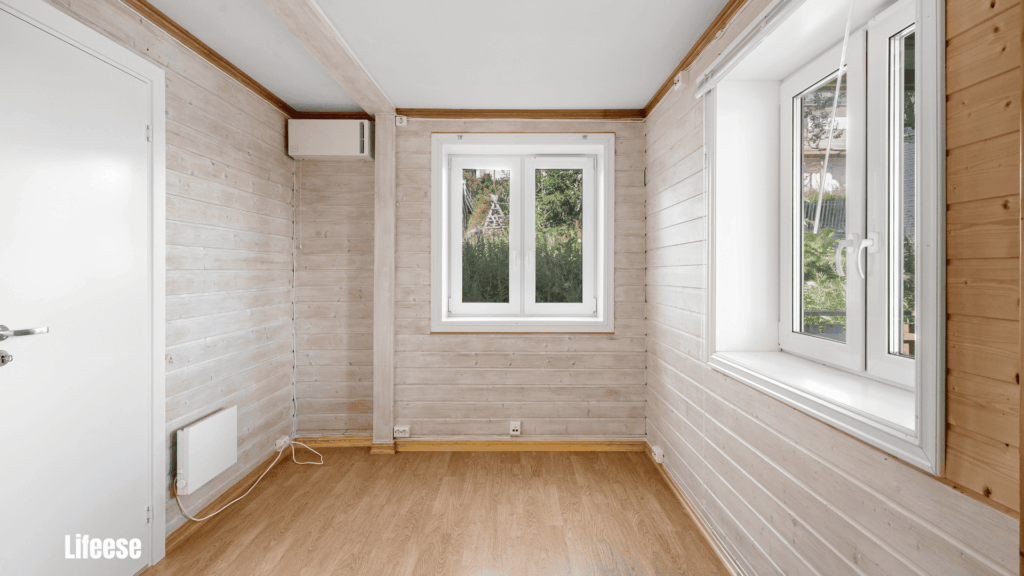
Costs vary depending on wood type and location.
| Expense | Estimated Range |
|---|---|
| Reclaimed Wood | $8–$20 per sq ft |
| Installation | $3–$10 per sq ft |
| Sealant & Finish | $100–$300 |
Affordable Alternatives
- Engineered reclaimed panels
- Peel-and-stick wood planks
These options reduce labor costs significantly.
Maintenance and Long-Term Care
Maintenance is simple but important.
Cleaning Methods
- Dust weekly
- Use damp cloth sparingly
- Avoid harsh chemicals
Preventing Warping and Termite Damage
Apply sealant and monitor humidity levels between 30–50%.
Common Mistakes to Avoid
- Skipping moisture checks
- Poor measurements
- Overcrowding decor
- Ignoring wall studs
Careful planning prevents costly repairs.
Reclaimed Wood Accent Wall for Different Rooms
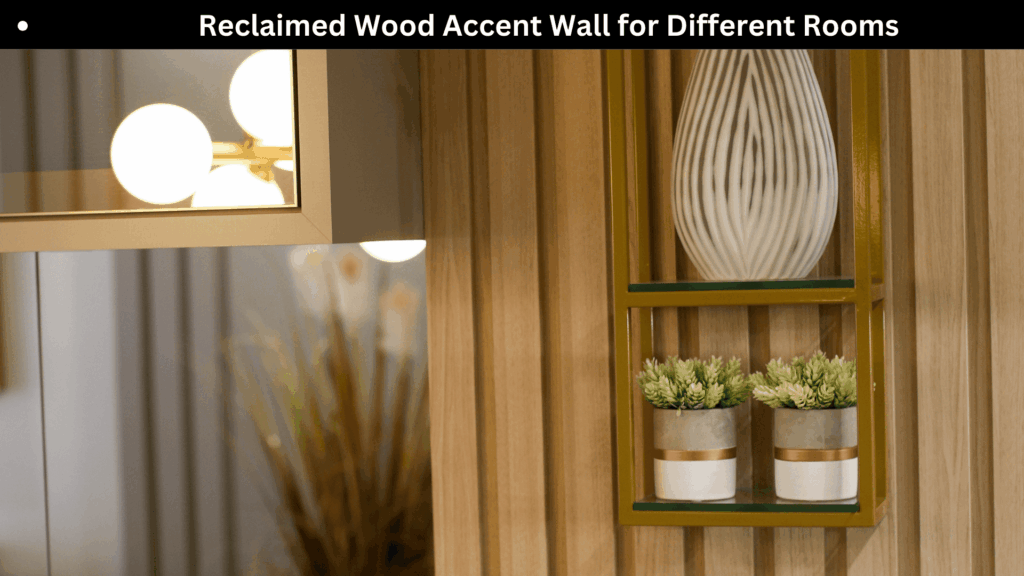
Living Room Feature Wall
Creates cozy focal point behind sofa.
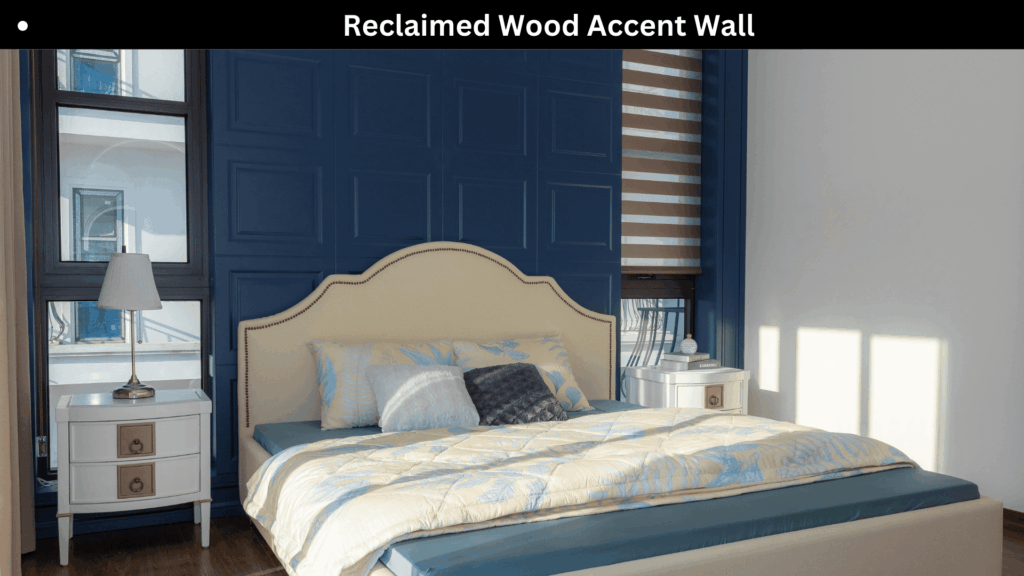
Bedroom Backdrop
Perfect behind bed frame for warmth.
Home Office
Adds texture without distraction.
Commercial Spaces
Restaurants and retail shops use reclaimed wood to convey authenticity and brand storytelling.
FAQs
Is reclaimed wood safe for indoor use?
Yes, when properly treated and cleaned.
Does reclaimed wood attract termites?
Not if sealed and inspected.
Can I install it over drywall?
Yes, provided studs are located.
Is reclaimed wood expensive?
It can be, but alternatives exist.
How long does installation take?
Typically 1–3 days depending on size.
Does it increase home value?
Yes, especially in eco-conscious markets.
Conclusion
A Reclaimed Wood Accent Wall offers far more than aesthetic appeal. It blends sustainability, craftsmanship, and timeless design into one powerful feature. From rustic charm to sleek modern contrast, reclaimed timber adapts beautifully.