Raw Concrete Finish Interior: 15 Powerful Reasons to Embrace This Bold Modern Trend
Raw Concrete Finish Interior: Discover 15 powerful reasons to embrace this bold modern trend, including benefits, design tips, sustainability insights, and expert advice.
The Raw Concrete Finish Interior style has taken the design world by storm. Once seen only in factories and warehouses, raw concrete now appears in luxury homes, trendy cafes, and stylish apartments. And honestly, it’s not hard to see why. This design approach blends strength with simplicity. It feels bold, authentic, and refreshingly honest.
In today’s world of glossy finishes and over-decorated spaces, raw concrete stands out. It doesn’t pretend. It shows its texture, tone variations, and natural imperfections. That’s part of its charm. Designers and homeowners alike appreciate its durability, sustainability, and minimalist appeal.
Let’s explore why this trend is more than just a passing fad.
Understanding the Essence of Raw Concrete in Interior Design
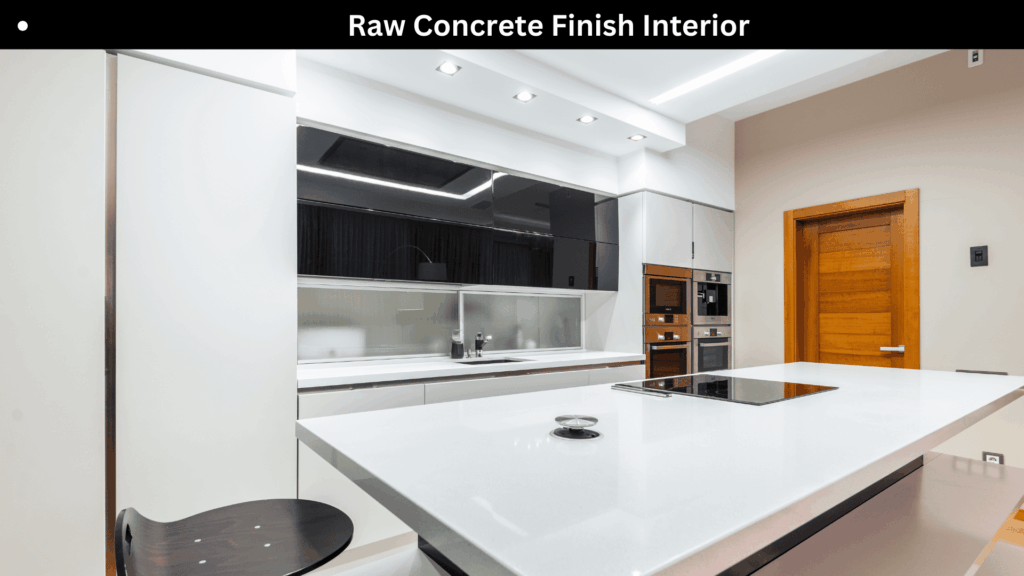
Raw concrete in interiors refers to exposed or minimally treated concrete surfaces used as walls, floors, or ceilings. Instead of covering it with paint or plaster, designers celebrate its natural gray tone and subtle texture.
Historically, concrete gained artistic attention during the rise of the Brutalist architecture movement. Architects embraced exposed materials, strong lines, and functional design. Over time, this bold approach softened and entered residential spaces.
Today, raw concrete isn’t just structural. It’s decorative. It’s used to create accent walls, polished floors, and even custom furniture pieces.
Why Designers Love the Raw Concrete Finish Interior
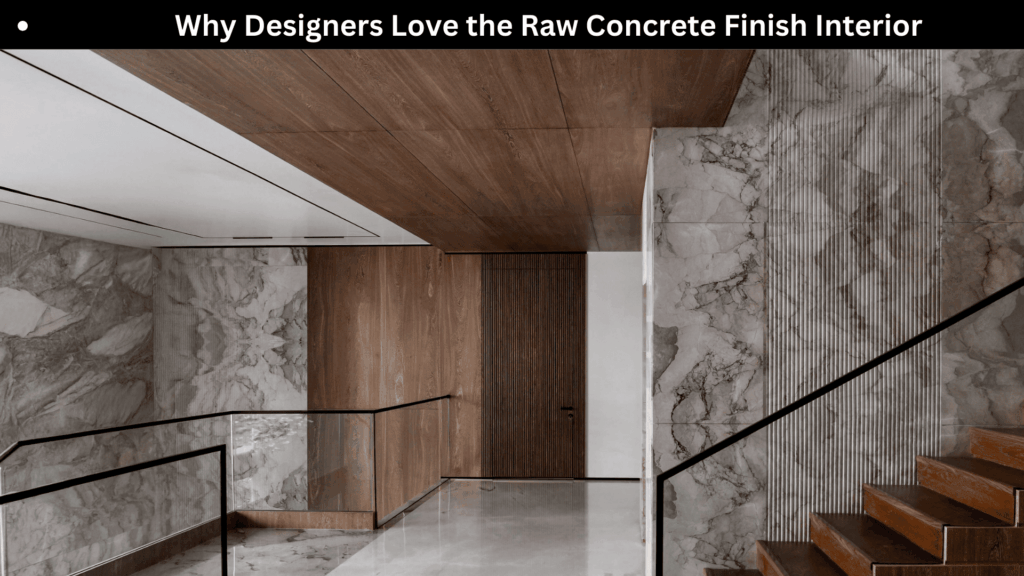
Designers love this style for three main reasons: texture, durability, and neutrality.
Aesthetic Appeal and Visual Texture
Concrete has a soft matte finish. It reflects light gently and adds depth to a room. Tiny air pockets and subtle color shifts make every surface unique. No two walls look the same. That’s a big plus in a world full of mass-produced décor.
Strength, Longevity, and Low Maintenance
Concrete is tough. It resists scratches and handles daily wear with ease. With proper sealing, it becomes stain-resistant and easy to clean. Compared to wood or tile, it often lasts longer with less upkeep.
Types of Concrete Finishes Used Indoors
Not all concrete looks the same. There are several popular finishes:
- Polished concrete floors: Smooth and reflective, ideal for modern homes.
- Board-formed concrete: Shows wood grain patterns from casting molds.
- Microcement overlays: Thin layers applied over existing surfaces for a seamless look.
Each option offers a slightly different vibe—from industrial loft to modern elegance.
Raw Concrete Finish Interior in Different Spaces
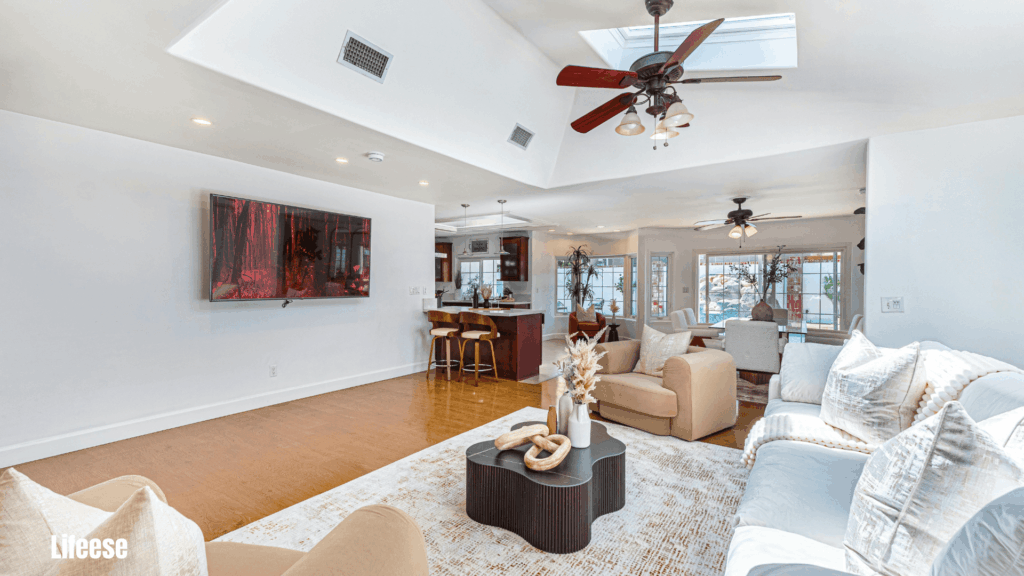
Concrete works surprisingly well in many rooms.
- Living Rooms: Concrete accent walls create a striking focal point.
- Kitchens: Concrete countertops add durability and style.
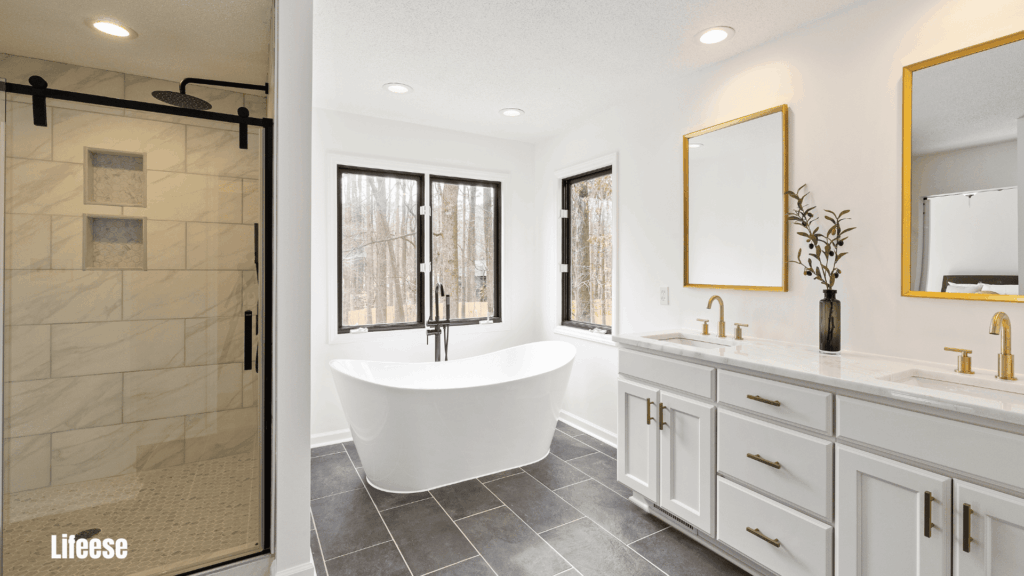
- Bathrooms: Waterproof sealed concrete provides a spa-like feel.
- Bedrooms: Paired with soft textiles, concrete feels calm and cozy.
Pairing Concrete with Other Materials
Concrete alone can feel stark, but when combined with other elements, magic happens.
- Wood: Adds warmth and contrast.
- Metal: Enhances industrial character.
- Glass: Keeps spaces light and open.
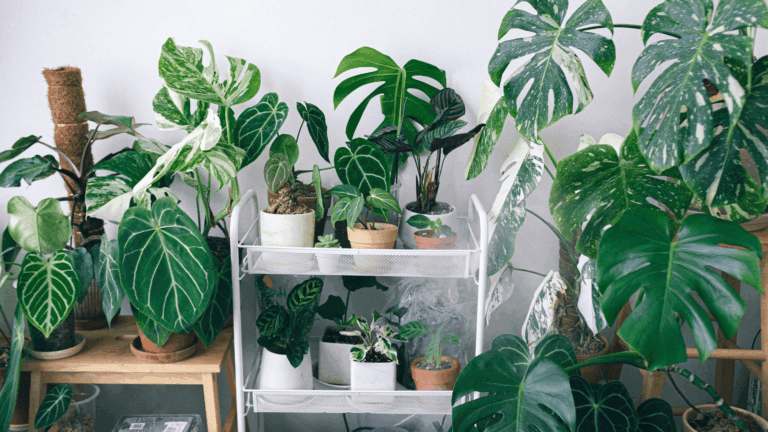
- Indoor plants: Bring life and color.
This blend aligns beautifully with biophilic design principles. According to the World Green Building Council, incorporating natural materials and energy-efficient solutions improves well-being and environmental performance.
Lighting Strategies for Concrete Interiors
Lighting changes everything.
- Warm lighting softens gray tones.
- Pendant lights highlight texture.
- LED strips create dramatic shadows.
Natural light works wonders on concrete, revealing subtle patterns throughout the day.
Sustainability and Eco-Friendly Benefits
Concrete offers impressive environmental advantages.
- High thermal mass helps regulate indoor temperatures.
- Recycled aggregates reduce waste.
- Long lifespan minimizes replacement materials.
When properly insulated, concrete interiors can contribute to energy efficiency.
Common Myths About Concrete Interiors
Many believe concrete feels cold and uncomfortable. But that’s not always true.
With underfloor heating and acoustic panels, comfort increases dramatically. Rugs, curtains, and upholstered furniture also balance hardness with softness.
Installation Process and Professional Expertise
Installing raw concrete surfaces requires expertise. Surface preparation, curing time, and sealing are critical steps. While microcement may be DIY-friendly, structural concrete should always involve professionals.
Maintenance Tips for Long-Lasting Beauty
- Clean with mild, pH-neutral cleaners.
- Reseal surfaces every few years.
- Wipe spills quickly to prevent staining.
Proper care ensures lasting beauty.
Cost Considerations and Budget Planning
Initial installation may cost more than paint or wallpaper. However, long-term durability often offsets those expenses. Concrete doesn’t chip or peel easily, reducing repair costs.
Raw Concrete Finish Interior and Modern Minimalism
Concrete pairs beautifully with minimalist living. Clean lines, open spaces, and simple décor allow the material’s texture to shine.
Designers often blend Scandinavian simplicity with industrial elements to create inviting spaces that feel both modern and timeless.
Safety and Structural Considerations
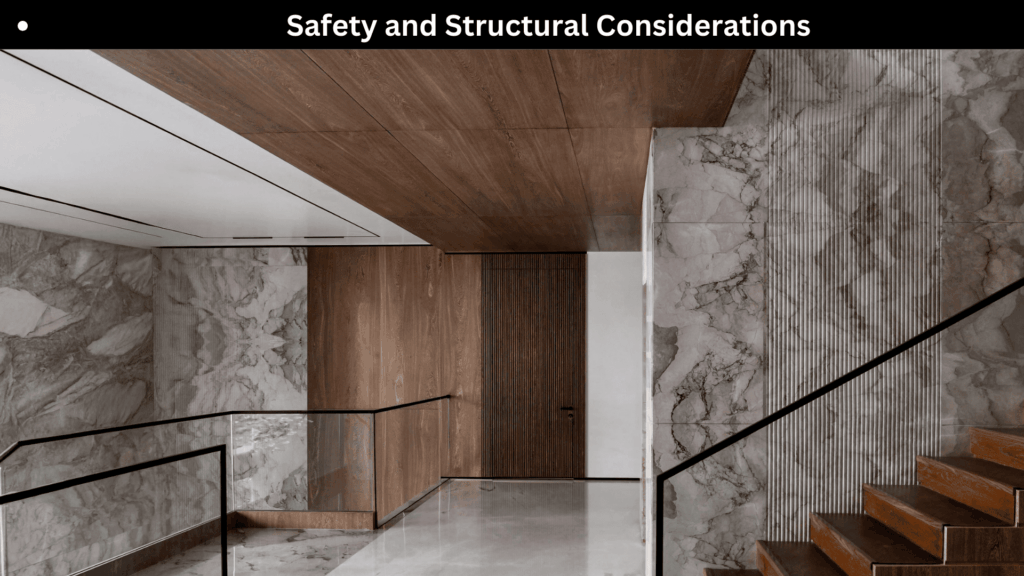
Always ensure compliance with local building codes. Moisture barriers, insulation, and professional structural assessment are vital for safe application.
FAQs
Is raw concrete suitable for small homes?
Yes. When combined with proper lighting and lighter décor, it can make small spaces feel open and airy.
Does concrete crack over time?
Minor hairline cracks may appear, but they often add character. Proper installation reduces structural issues.
Is concrete eco-friendly?
When using recycled materials and energy-efficient design, it can be sustainable.
Can I paint over raw concrete later?
Yes, sealed surfaces can be primed and painted if desired.
Is it expensive to maintain?
Not usually. Routine cleaning and occasional resealing are sufficient.
Does concrete feel cold underfoot?
It can, but underfloor heating solves this problem effectively.
Conclusion
The Raw Concrete Finish Interior trend proves that beauty lies in simplicity. It’s bold yet subtle, industrial yet warm when styled correctly. With proper planning, expert installation, and thoughtful design choices, concrete interiors offer durability, sustainability, and timeless appeal.