Modular Tile Systems Interior: 15 Powerful Benefits That Transform Modern Spaces
Modular Tile Systems Interior solutions offer powerful, flexible, and cost-effective ways to transform modern homes and commercial spaces with style and durability.
When it comes to smart design choices, Modular Tile Systems Interior solutions are changing the game. They’re practical, stylish, and surprisingly versatile. Whether you’re designing a cozy living room, upgrading a busy office, or renovating a hotel lobby, modular tile systems offer flexibility that traditional flooring and wall finishes simply can’t match.
In today’s fast-moving world, interiors must adapt quickly. Trends change. Needs shift. Budgets matter. And that’s where modular tile systems shine. They combine innovation, durability, and beauty in one neat package.
Let’s explore how these systems work, why they’re so popular, and how they can transform your interior spaces for the better.
Understanding Modular Tile Systems in Interior Design
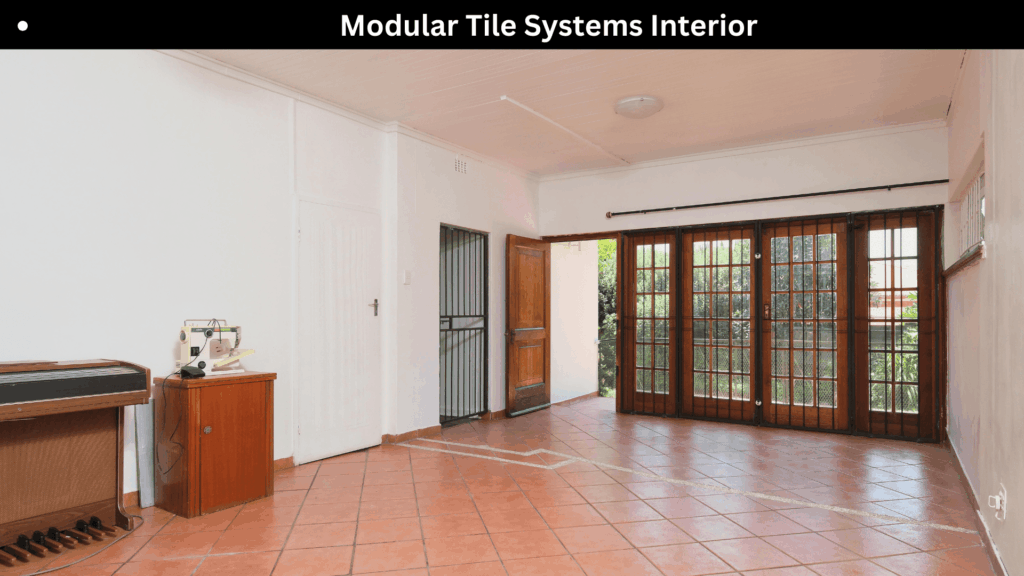
Modular tile systems are pre-manufactured tiles designed to fit together in a structured pattern. Unlike large continuous flooring or wall materials, these systems are made of smaller, uniform units. Each tile is a module—hence the name.
At its core, a modular tile system allows you to:
- Install sections individually
- Replace damaged tiles easily
- Create flexible design layouts
- Minimize material waste
Traditional tiles often require extensive preparation and professional installation. Modular systems, on the other hand, are engineered for efficiency. Many feature click-and-lock mechanisms or peel-and-stick backings.
The Evolution of Modular Flooring and Wall Panels
Tiles have been used for centuries. From ancient mosaics to ceramic bathroom tiles, modular surfaces aren’t new. However, modern modular systems are far more advanced.
Innovations such as Luxury Vinyl Tile (LVT), carpet tiles, and engineered stone composites have reshaped the industry. According to the U.S. Green Building Council, modular materials can contribute to sustainable building practices because they reduce waste and improve resource efficiency.
Today’s systems blend technology and aesthetics. Digital printing creates realistic wood and stone textures. Advanced polymers enhance durability. And interlocking systems make installation faster than ever.
Core Components of a Modular Tile System
Most modular tile systems include:
- Surface Layer – The visible finish (wood-look, stone-look, fabric texture).
- Core Layer – Provides structure and strength.
- Backing Layer – Adds stability and moisture resistance.
- Connection Mechanism – Click-lock edges or adhesive backing.
Each component plays a role in performance. High-quality systems ensure moisture resistance, dimensional stability, and long-term durability.
Types of Modular Tile Systems for Interiors
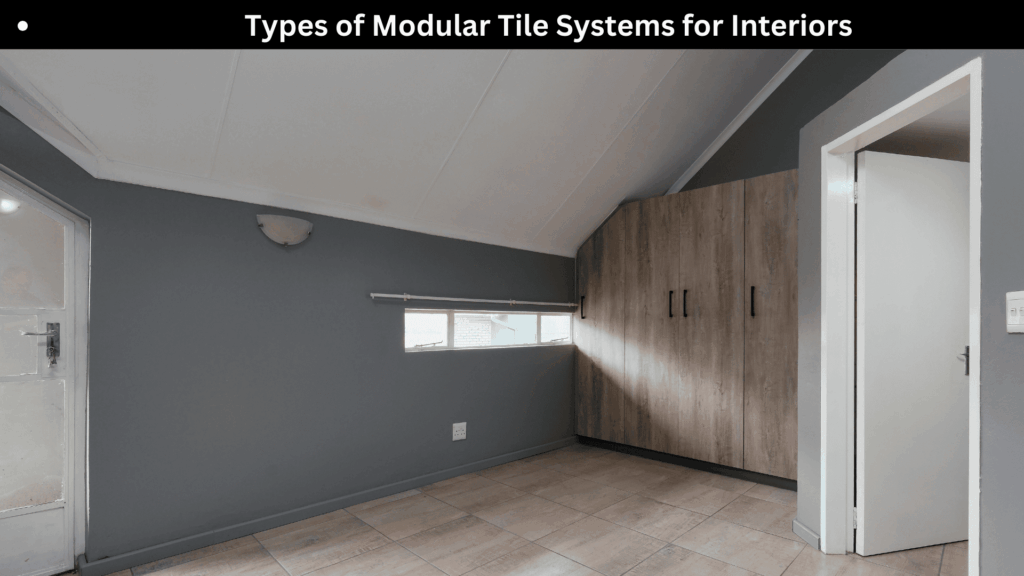
Not all modular tiles are the same. Different materials serve different needs.
Ceramic and Porcelain Modular Tiles
These are classic choices for kitchens and bathrooms. Porcelain is denser and less porous than ceramic, making it more water-resistant.
Benefits include:
- High durability
- Heat resistance
- Easy cleaning
- Timeless style
They’re perfect for wet areas and high-traffic zones.
Vinyl and Luxury Vinyl Tile (LVT) Systems
Luxury Vinyl Tile is a modern favorite. It’s waterproof, scratch-resistant, and comfortable underfoot.
LVT systems are popular in:
- Residential living spaces
- Offices
- Retail stores
They often mimic hardwood or stone while offering easier maintenance.
Carpet Tiles and Acoustic Panels
Carpet tiles are widely used in commercial interiors. They provide warmth and sound absorption.
Advantages include:
- Reduced noise
- Easy replacement
- Design versatility
If one tile gets stained, you simply swap it out. Easy, right?
Stone, Terrazzo, and Composite Tiles
For premium interiors, stone and terrazzo tiles deliver elegance. Modern composites offer similar looks with improved strength and lower cost.
They’re ideal for:
- Hotel lobbies
- Luxury homes
- Corporate spaces
Key Benefits of Modular Tile Systems Interior Solutions
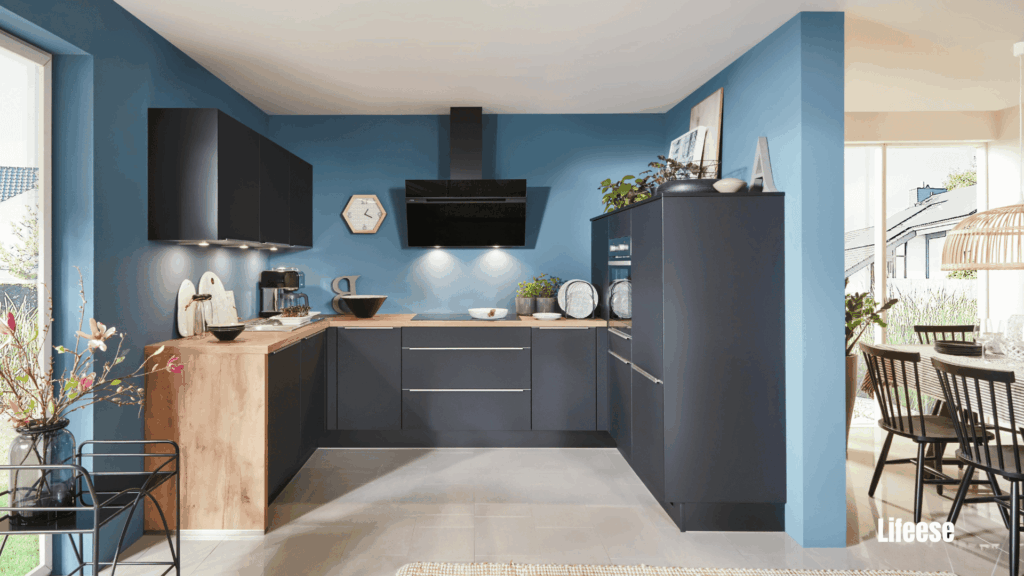
Why are designers so enthusiastic about modular systems? Let’s break it down.
Easy Installation and Replacement
Most modular tiles are designed for straightforward installation. Some systems allow floating installation without glue.
That means:
- Reduced labor costs
- Faster project timelines
- Minimal disruption
If damage occurs, you don’t replace the whole floor. Just remove one tile. Simple and cost-effective.
Cost Efficiency and Budget Flexibility
Modular systems reduce waste because tiles are pre-measured and uniform. This lowers material overage.
Over time, maintenance costs also drop. Instead of refinishing entire surfaces, you replace sections.
That’s smart budgeting.
Sustainability and Eco-Friendly Design
Many manufacturers use recycled materials in modular systems. Smaller tiles mean less demolition waste.
Green building certifications, such as LEED, often reward modular material usage. That makes them appealing for eco-conscious projects.
Design Flexibility and Creative Layout Possibilities
One of the most exciting aspects of modular tile systems is creativity.
Geometric Patterns and Layout Grids
You can arrange tiles in:
- Herringbone patterns
- Checkerboard layouts
- Linear grids
- Diagonal arrangements
The modular format encourages experimentation. Designers mix shapes and sizes to create dynamic surfaces.
Mixing Materials for Visual Contrast
Want a wood-look floor with a stone border? Easy.
Modular systems allow blending of textures without complicated transitions. This flexibility supports brand identity in commercial spaces and personal expression in homes.
Installation Process Explained
Let’s simplify the process.
Surface Preparation and Planning
First, measure the area carefully. Ensure the subfloor is clean, dry, and level.
Moisture testing is especially important for vinyl systems.
Tile Placement and Interlocking Mechanisms
Next, lay the first row along a straight reference line. Click-lock tiles connect securely. Adhesive tiles require firm pressure.
Work row by row, checking alignment.
Finishing, Sealing, and Maintenance
Some tiles need sealing, especially stone varieties. Others are ready to use immediately.
Regular cleaning with mild solutions keeps surfaces looking fresh.
Applications of Modular Tile Systems in Different Spaces
Living Rooms and Bedrooms
Comfort matters here. LVT and carpet tiles add warmth and style.
Kitchens and Bathrooms
Moisture-resistant porcelain or vinyl tiles prevent water damage.
Offices, Retail, and Hospitality Interiors
Branding often influences flooring choices. Modular systems allow color zoning and quick replacements in high-traffic zones.
Maintenance, Repair, and Long-Term Care
Routine care includes:
- Sweeping or vacuuming
- Damp mopping
- Prompt stain removal
The beauty of modular systems? Damaged sections don’t mean total replacement.
That’s long-term value.
Comparing Modular Tile Systems with Traditional Flooring
| Feature | Modular Tile Systems | Traditional Flooring |
|---|---|---|
| Installation Speed | Fast | Slower |
| Repair Ease | Replace single tile | Replace large section |
| Design Flexibility | High | Moderate |
| Cost Control | Flexible | Less adaptable |
Modular systems clearly offer advantages in adaptability and maintenance.
Future Trends in Modular Interior Surfaces
Technology keeps pushing boundaries.
Expect to see:
- Smart tiles with embedded sensors
- Advanced acoustic panels
- Carbon-neutral materials
- Digital customization
Innovation is just getting started.
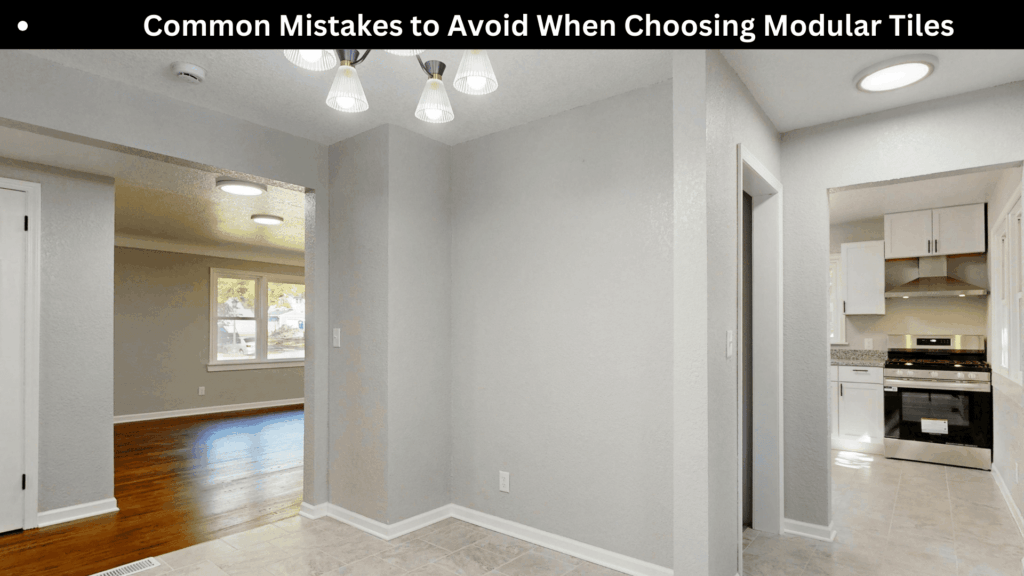
Common Mistakes to Avoid When Choosing Modular Tiles
- Ignoring moisture conditions
- Choosing style over durability
- Skipping professional advice
- Incorrect measurements
Planning carefully prevents costly errors.
FAQs
Are modular tile systems suitable for homes?
Yes. They work beautifully in living rooms, bedrooms, kitchens, and bathrooms.
Can I install modular tiles myself?
Many systems are DIY-friendly, especially click-lock vinyl tiles.
Are modular tile systems durable?
High-quality products can last 10–25 years, depending on usage.
Do modular tiles increase property value?
Well-installed, stylish flooring often enhances property appeal.
Are they environmentally friendly?
Many systems use recycled materials and reduce waste.
How often should modular tiles be replaced?
Only damaged sections need replacement, not the entire floor.
Conclusion
In a world where flexibility matters more than ever, modular tile systems offer a powerful solution. They’re adaptable, cost-effective, sustainable, and stylish.
From residential homes to commercial hubs, these systems transform spaces with minimal disruption. They allow creativity without sacrificing durability.