Modular Shelving System Home: The Powerful Smart Storage Solution for 21 Modern Spaces
Modular Shelving System Home solutions offer flexible, stylish, and space-saving storage ideas for modern living environments.
Introduction to Modular Shelving Systems in Modern Homes
A Modular Shelving System Home represents a shift in how people think about storage, organization, and interior design. Instead of relying on bulky, fixed furniture that limits flexibility, homeowners are now choosing adaptable shelving systems that grow and change with their needs. This approach to storage is not just about keeping items off the floor—it is about creating harmony, improving functionality, and making everyday life easier.
Modern homes are evolving. Living spaces are becoming more multifunctional, especially as people work, study, and relax in the same areas. A modular shelving system home supports this change by allowing shelves to be rearranged, expanded, or reduced without replacing the entire unit. That means fewer wasted resources and smarter long-term planning.
Another reason these systems are gaining attention is their ability to fit into almost any room. From compact apartments to spacious family homes, modular shelving adapts seamlessly. Homeowners can start small and expand later, making it an economical and future-ready solution. According to interior design experts, flexible storage systems help reduce clutter and improve mental clarity, which directly supports better living habits.
Most importantly, a modular shelving system home blends function with style. Clean lines, modern finishes, and customizable layouts allow homeowners to express personal taste while staying organized. It’s practical, yes—but also visually appealing.
Understanding the Concept of a Modular Shelving System Home
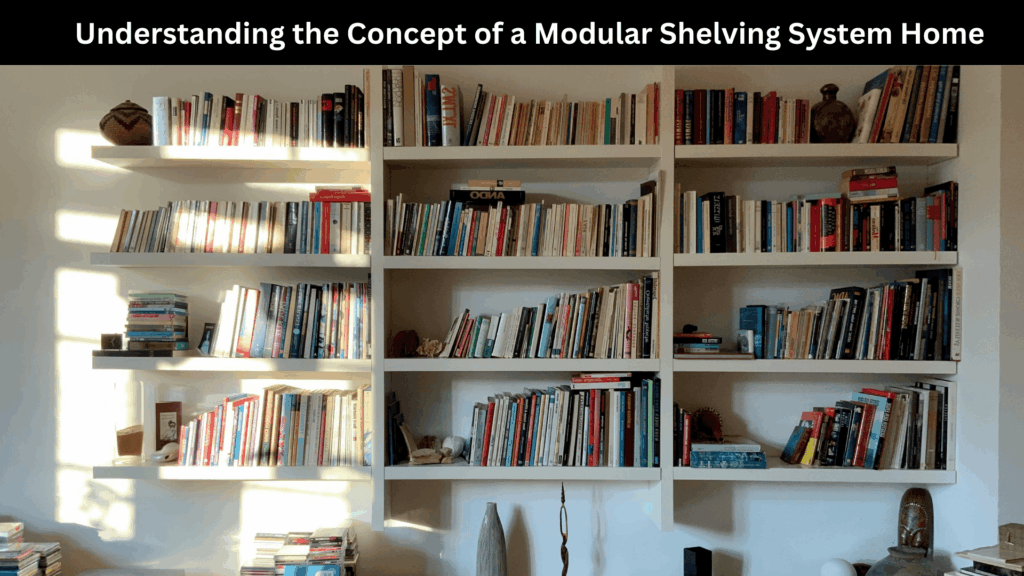
At its core, a modular shelving system home is built around the idea of flexibility. Unlike traditional shelving units that come as one fixed structure, modular systems consist of individual components that work together. These components can be rearranged, replaced, or upgraded as needs change.
A modular shelving system usually includes vertical supports, horizontal shelves, connectors, and optional cabinets or drawers. Because these parts are standardized, they can be combined in countless ways. This makes it easy to customize storage for books, décor, kitchen items, clothing, or even office equipment.
Interchangeable components are what truly define modular shelving. Shelves can be adjusted in height, depth, or width, allowing homeowners to create layouts that fit both the room and the items being stored. Scalability is another key feature. As families grow or lifestyles change, additional shelves or modules can be added without redesigning the entire space.
This flexibility also reduces waste. Instead of discarding furniture that no longer fits a space, homeowners can simply reconfigure their shelving. That’s one reason modular shelving system home solutions are considered both cost-effective and environmentally responsible.
Key Components of a Modular Shelving System Home
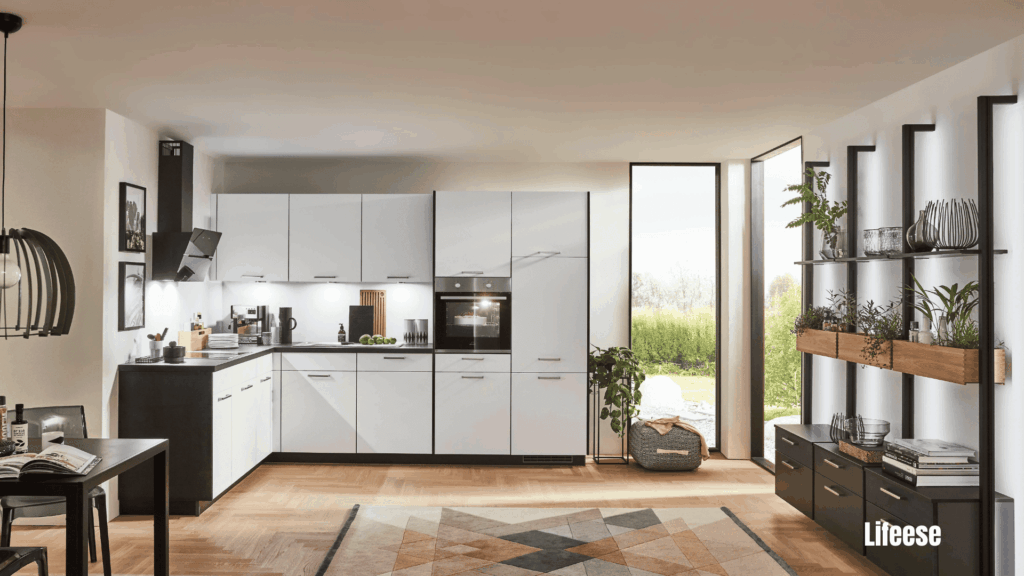
Every modular shelving system home relies on a set of core components designed for strength, balance, and adaptability. The most important elements include frames, shelves, brackets, and support panels. These parts work together to create a stable structure that can handle daily use.
Frames and vertical supports provide the backbone of the system. They are usually made from metal or reinforced wood to ensure durability. Shelves attach to these supports using brackets or locking mechanisms, allowing for easy height adjustments.
Material choice plays a major role in performance. Wood-based modular shelving systems offer warmth and a classic appearance, making them ideal for living rooms and bedrooms. Engineered wood and plywood options are affordable and lightweight, while solid wood provides long-term durability.
Metal and hybrid systems, on the other hand, are popular in kitchens, offices, and industrial-style interiors. Metal frames combined with wood or glass shelves offer strength without sacrificing style. These systems are also easier to clean and maintain, making them suitable for high-use areas.
Design Styles That Complement Modular Shelving Systems

One of the biggest advantages of a modular shelving system home is its ability to adapt to different interior styles. Minimalist and contemporary homes benefit from sleek lines, neutral colors, and open shelving layouts that create a sense of openness.
Scandinavian designs pair modular shelving with light wood tones and simple forms, promoting a calm and organized environment. Industrial interiors often use metal frames and darker finishes to create bold, functional storage solutions.
Because modular shelving is customizable, homeowners can blend styles effortlessly. Open shelves can be combined with closed cabinets to balance display and storage. This versatility ensures the shelving system enhances the overall design rather than overpowering it.
Room-by-Room Applications of Modular Shelving System Home Designs
In the living room, a modular shelving system home can serve as a media unit, bookshelf, and display wall all at once. Shelves can hold televisions, speakers, books, plants, and decorative items, creating a cohesive and organized focal point.
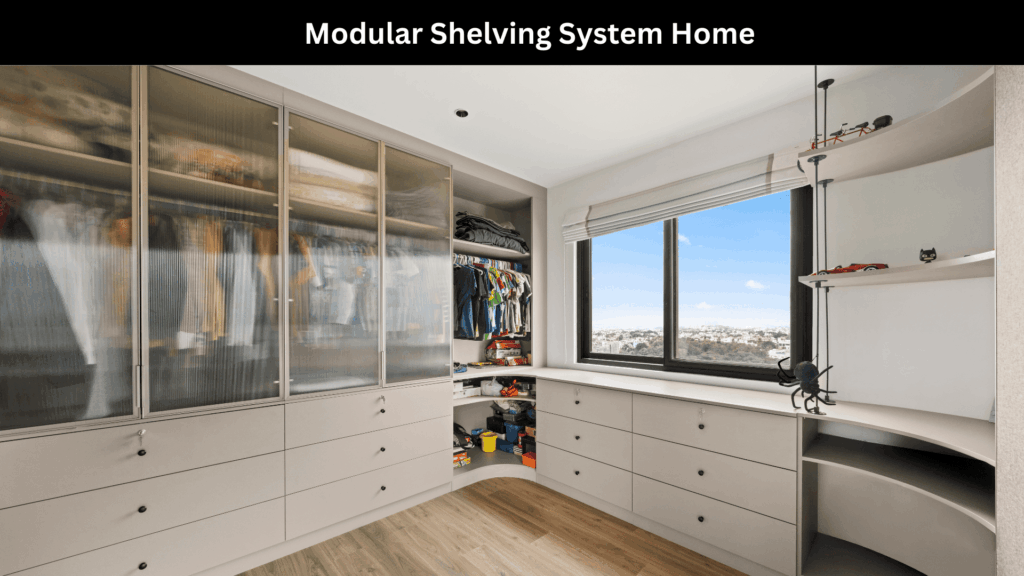
Bedrooms benefit from modular shelving by extending wardrobe space. Adjustable shelves can store folded clothes, shoes, and accessories. Wall-mounted systems free up floor space, making small bedrooms feel larger and more comfortable.
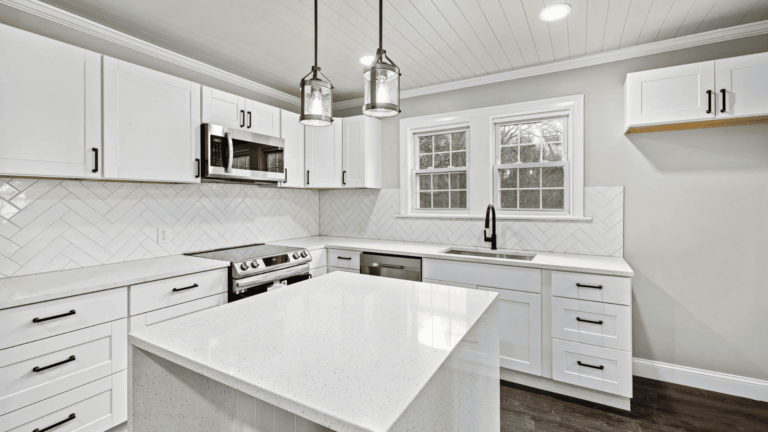
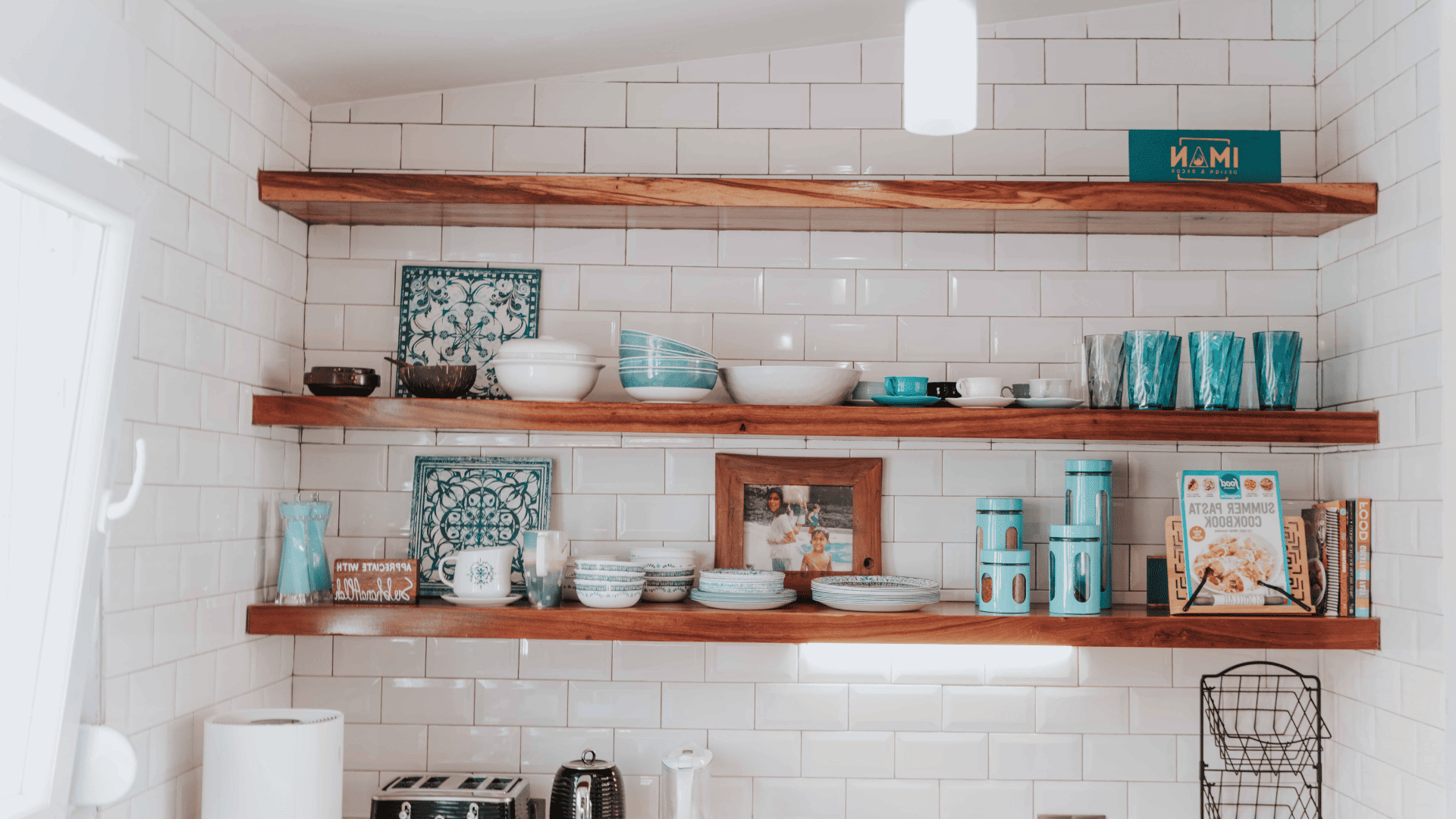
Kitchens and pantries also benefit greatly. Modular shelving allows homeowners to adjust shelf heights based on container sizes, improving accessibility and reducing wasted space. Open shelving encourages organization and helps keep everyday items within reach.
Functional Benefits of a Modular Shelving System Home
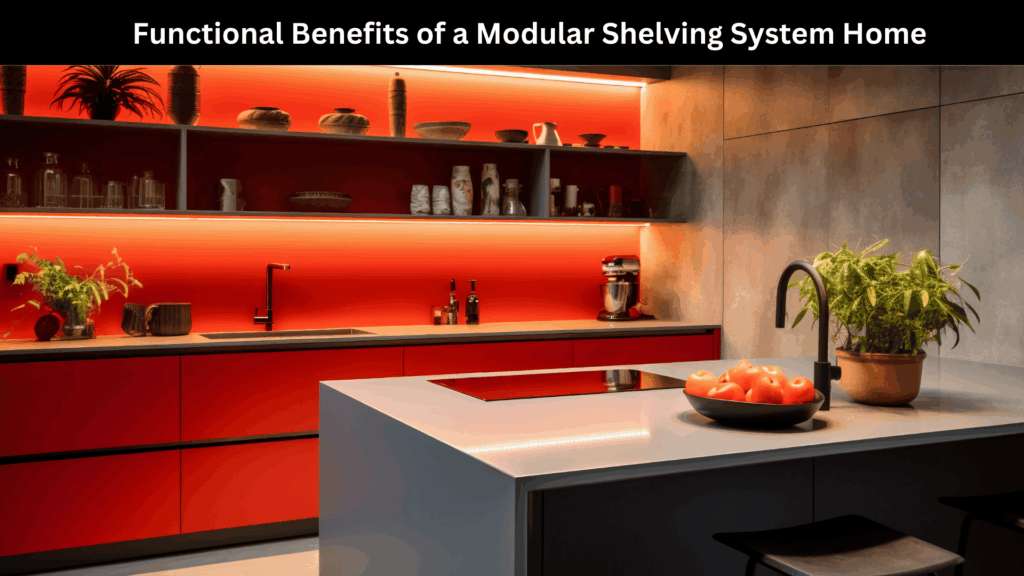
Space optimization is one of the most practical benefits of a modular shelving system home. Vertical storage maximizes wall space, while adjustable layouts ensure no area is wasted. This is especially useful in apartments and compact homes.
Accessibility is another major advantage. Items are easier to see and reach, reducing time spent searching for things. Organized spaces also improve safety by minimizing clutter and preventing overcrowded shelves.
Over time, modular shelving systems support better habits. When storage is easy to adjust and maintain, people are more likely to stay organized. That makes daily routines smoother and more enjoyable.
FAQs
Is a modular shelving system home suitable for small apartments?
Yes, modular shelving is ideal for small spaces because it maximizes vertical storage and adapts to room size.
Can modular shelving systems be expanded later?
Most systems are designed for expansion, allowing homeowners to add components over time.
Are modular shelving systems strong enough for heavy items?
High-quality systems are engineered to handle significant weight when installed correctly.
Is professional installation required?
Many systems are DIY-friendly, though professional installation may be helpful for complex layouts.
Do modular shelving systems suit traditional homes?
With the right materials and finishes, modular shelving can complement traditional interiors.
Are modular shelving systems eco-friendly?
Many manufacturers use recyclable materials and sustainable production methods.
Conclusion
A modular shelving system home is more than a storage solution—it is a smart investment in flexibility, organization, and modern living. By adapting to changing needs and supporting better use of space, modular shelving systems offer long-term value for homeowners who want both function and style.