Floating Vanity for Small Bathroom: 11 Smart Ideas That Feel Spacious (Yet Costly Mistakes to Avoid)
Floating Vanity for Small Bathroom — discover expert-backed design ideas, space-saving tips, installation guidance, and real-world insights to create a modern, clutter-free small bathroom that feels bigger, brighter, and more functional.
Floating Vanity for Small Bathroom: Smart Space-Saving Design Guide

A Floating Vanity for Small Bathroom design can completely change how a compact space looks and feels. If your bathroom feels tight, cluttered, or dated, a wall-mounted vanity may be the smartest upgrade you can make. Unlike traditional floor-standing cabinets, floating vanities are fixed to the wall, leaving the floor visible beneath. This simple change creates the illusion of more space while delivering modern style and practical storage.
Homeowners, interior designers, and renovation experts often recommend floating vanities for small bathrooms because they balance beauty with function. From easier cleaning to flexible installation heights, this solution works especially well in apartments, guest bathrooms, and urban homes where every inch matters.
Let’s explore everything you need to know—step by step—so you can make a confident, informed choice.
Understanding Floating Vanities in Compact Bathrooms
What a Floating Vanity Is and How It Works
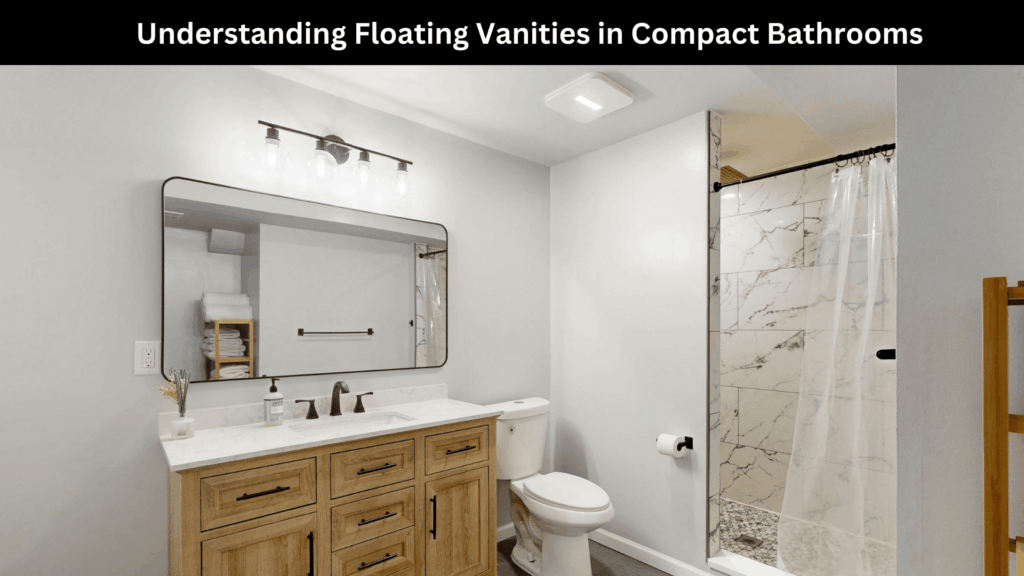
A floating vanity is a wall-mounted bathroom cabinet that holds a sink and storage without touching the floor. It is anchored securely into wall studs or reinforced brackets, allowing it to “float” above the ground. Plumbing is concealed inside or behind the unit, maintaining a clean, streamlined look.
Why Wall-Mounted Designs Suit Small Spaces
Small bathrooms benefit from designs that reduce visual weight. Because the floor remains visible, the room appears larger and less crowded. Floating vanities also allow better airflow and light movement, which helps compact bathrooms feel open rather than boxed in.
Key Benefits of a Floating Vanity for Small Bathroom
Visual Space Expansion and Airy Appeal
One of the biggest advantages is how much larger the room feels. When the floor extends uninterrupted beneath the vanity, your eyes perceive more depth and width.
Open Floor Illusion and Light Reflection
Light bouncing off exposed tiles enhances brightness. This effect is especially noticeable when paired with light-colored flooring or glossy surfaces.
Improved Cleaning and Maintenance
No legs or base means no hidden corners for dust and moisture. Mopping becomes quick and easy, which is a big plus in humid bathroom environments.
Choosing the Right Size and Proportions
Standard Dimensions for Small Bathrooms
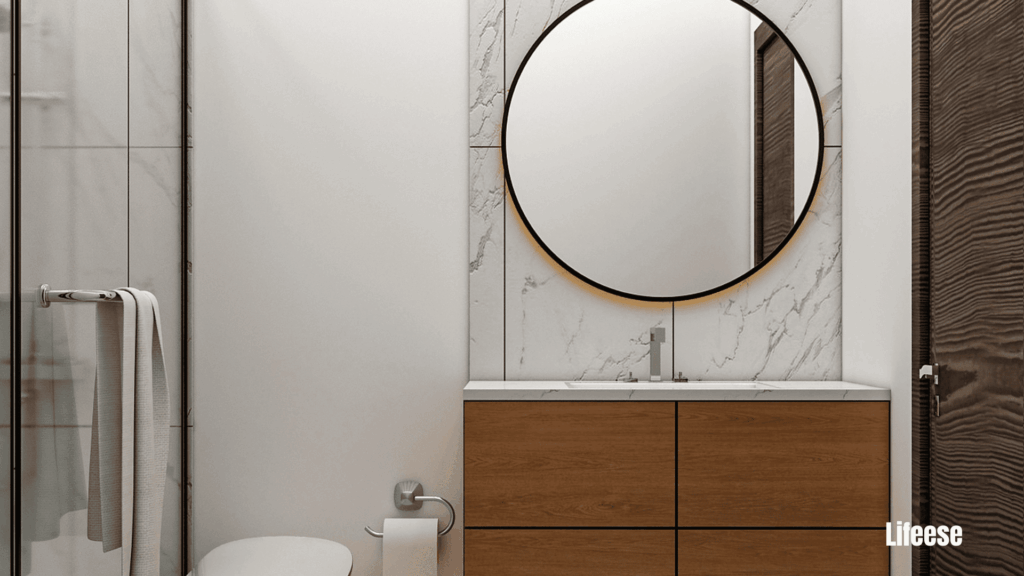
Most floating vanities for compact spaces range between 18 to 36 inches in width. Depth is usually kept between 16 and 18 inches to avoid crowding walkways.
Depth, Width, and Height Considerations
Height is flexible. Installing the vanity slightly higher can make the bathroom feel taller and allows customization for user comfort.
Materials and Finishes That Perform Well
Moisture-Resistant Woods and Engineered Options
Engineered wood, plywood with waterproof coatings, and solid hardwood treated for humidity are popular choices. These materials resist warping and swelling over time.
Countertop Materials for Durability
Quartz, solid surface, and porcelain tops are durable, non-porous, and easy to maintain. They handle moisture well and resist stains.
Storage Solutions Without Bulk
Drawers, Shelves, and Hidden Compartments
Smart internal organization is key. Deep drawers maximize usable space and keep essentials accessible without clutter.
Minimal Hardware and Soft-Close Systems
Handle-less designs and soft-close drawers enhance the sleek look while preventing wear and tear.
Sink Types That Save Space
Integrated Sinks vs. Vessel Sinks
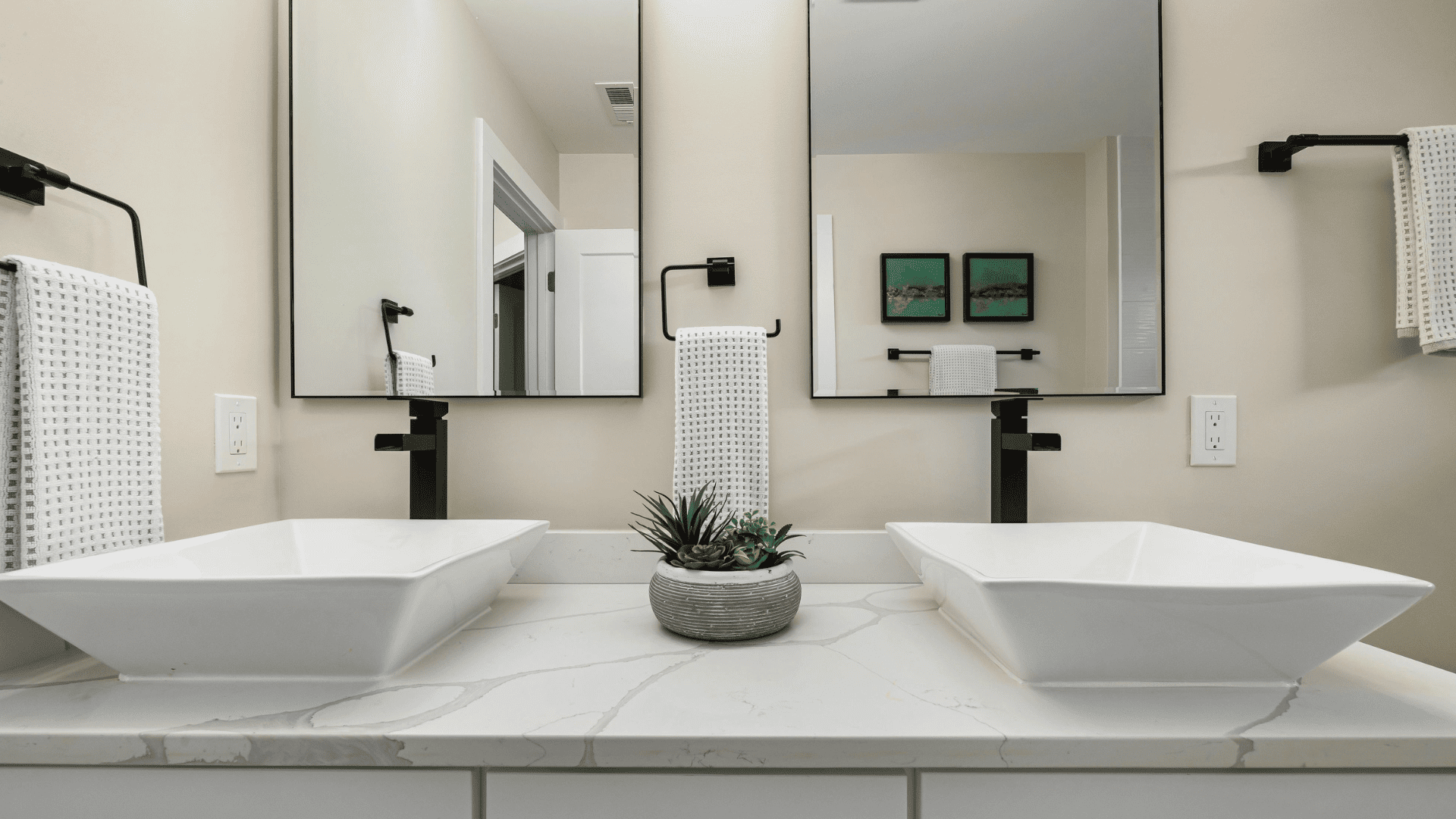
Integrated sinks create a seamless surface that’s easy to clean and visually calm. Vessel sinks can work, but they often take up vertical space.
Drain Placement and Plumbing Efficiency
Rear or wall drains help maintain a slim profile and allow more storage inside the vanity.
Installation Essentials and Wall Support
Studs, Brackets, and Load Capacity
Proper wall support is critical. Floating vanities must be anchored into studs or reinforced framing to safely carry weight.
Professional vs. DIY Installation
While DIY is possible, professional installation ensures safety, correct leveling, and proper plumbing alignment.
Lighting and Mirror Pairings
Backlit Mirrors and Task Lighting
LED-backlit mirrors add depth and reduce shadows, making small bathrooms feel brighter and more luxurious.
Creating Depth with Reflections
Large mirrors amplify space perception and pair beautifully with floating designs.
Color Schemes That Enlarge Small Bathrooms
Light Neutrals, Wood Tones, and Contrast
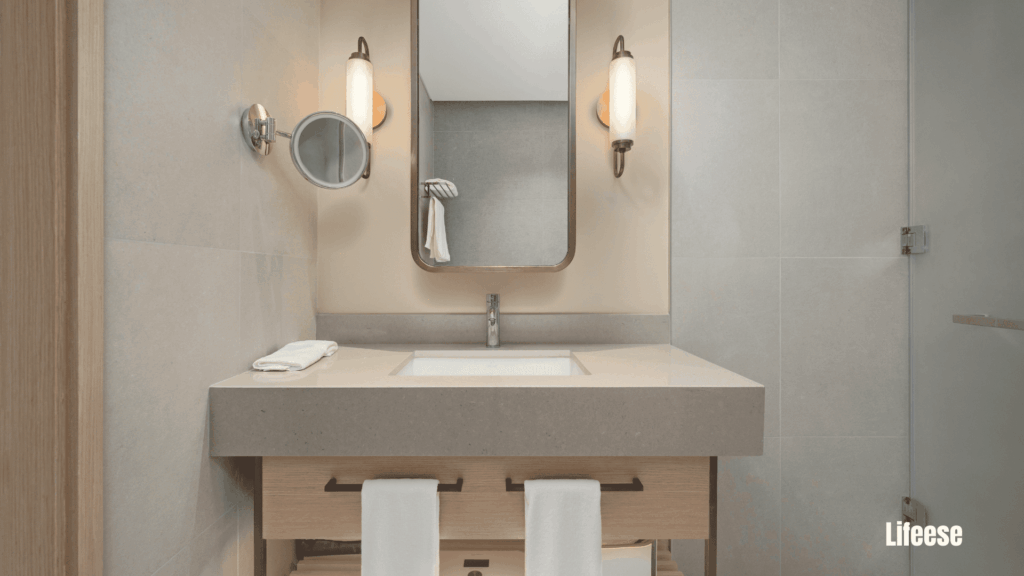
Soft whites, warm woods, and subtle contrasts help maintain openness while adding character.
Matte vs. Glossy Finishes
Glossy finishes reflect light and feel modern, while matte finishes offer a calm, upscale appearance.
Common Mistakes to Avoid
Oversized Units and Poor Placement
Choosing a vanity that’s too large can overwhelm the room. Balance is everything.
Ignoring Plumbing and Storage Needs
Always plan around existing plumbing and daily storage habits to avoid regret later.
Budgeting, Costs, and Value
Price Ranges and Long-Term Benefits
Floating vanities range from budget-friendly options to high-end custom designs. While initial costs may be higher, durability and visual impact offer long-term value. For pricing benchmarks and material comparisons, reputable resources like This Old House provide helpful renovation insights.
Maintenance, Longevity, and Daily Use
Cleaning Routines and Moisture Control
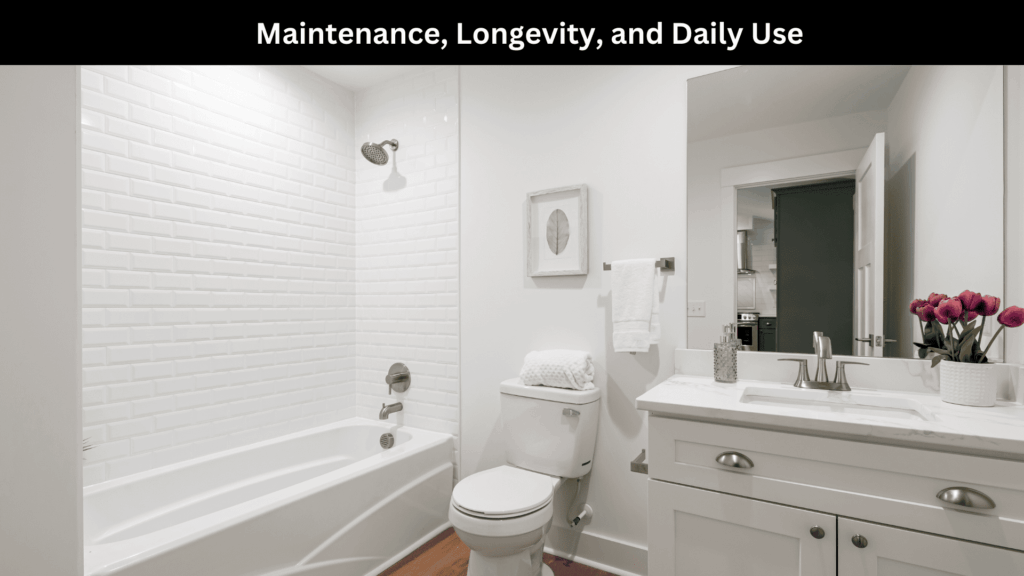
Regular wiping, good ventilation, and gentle cleaners keep your vanity looking new for years.
FAQs
Is a floating vanity strong enough for daily use?
Yes, when properly installed into wall studs, it is very durable.
Can a floating vanity work in very small bathrooms?
Absolutely. It’s one of the best solutions for tight spaces.
Does it cost more than a regular vanity?
Initial costs can be slightly higher, but the benefits often outweigh the difference.
Can I install it myself?
DIY is possible, but professional installation is recommended for safety.
What height should it be installed at?
Standard height is around 34–36 inches, but it can be customized.
Are floating vanities hard to maintain?
No, they are easier to clean than floor-mounted options.
Conclusion
A Floating Vanity for Small Bathroom design is more than a trend—it’s a smart, practical solution for modern living. By improving visual space, simplifying cleaning, and offering flexible design options, it transforms even the smallest bathroom into a functional and stylish retreat. When chosen thoughtfully and installed correctly, a floating vanity delivers long-lasting value, comfort, and confidence in your home’s design.