25 Brilliant Ambient Lighting Hallway Ideas That Transform Dull Spaces
Ambient Lighting Hallway Ideas that enhance safety, style, and comfort—discover expert-approved designs to transform dark hallways into welcoming spaces.
Introduction to Ambient Lighting in Hallways
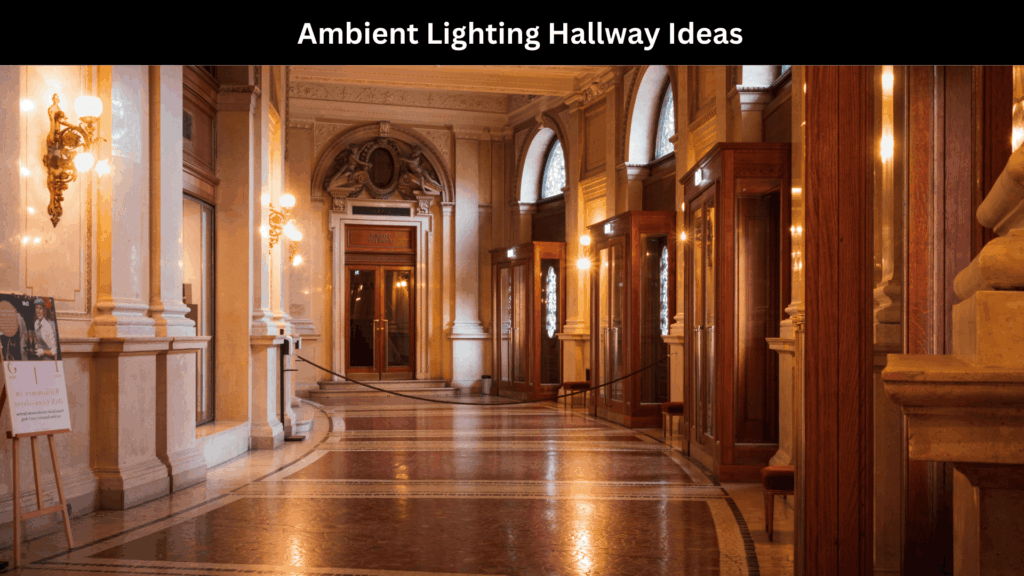
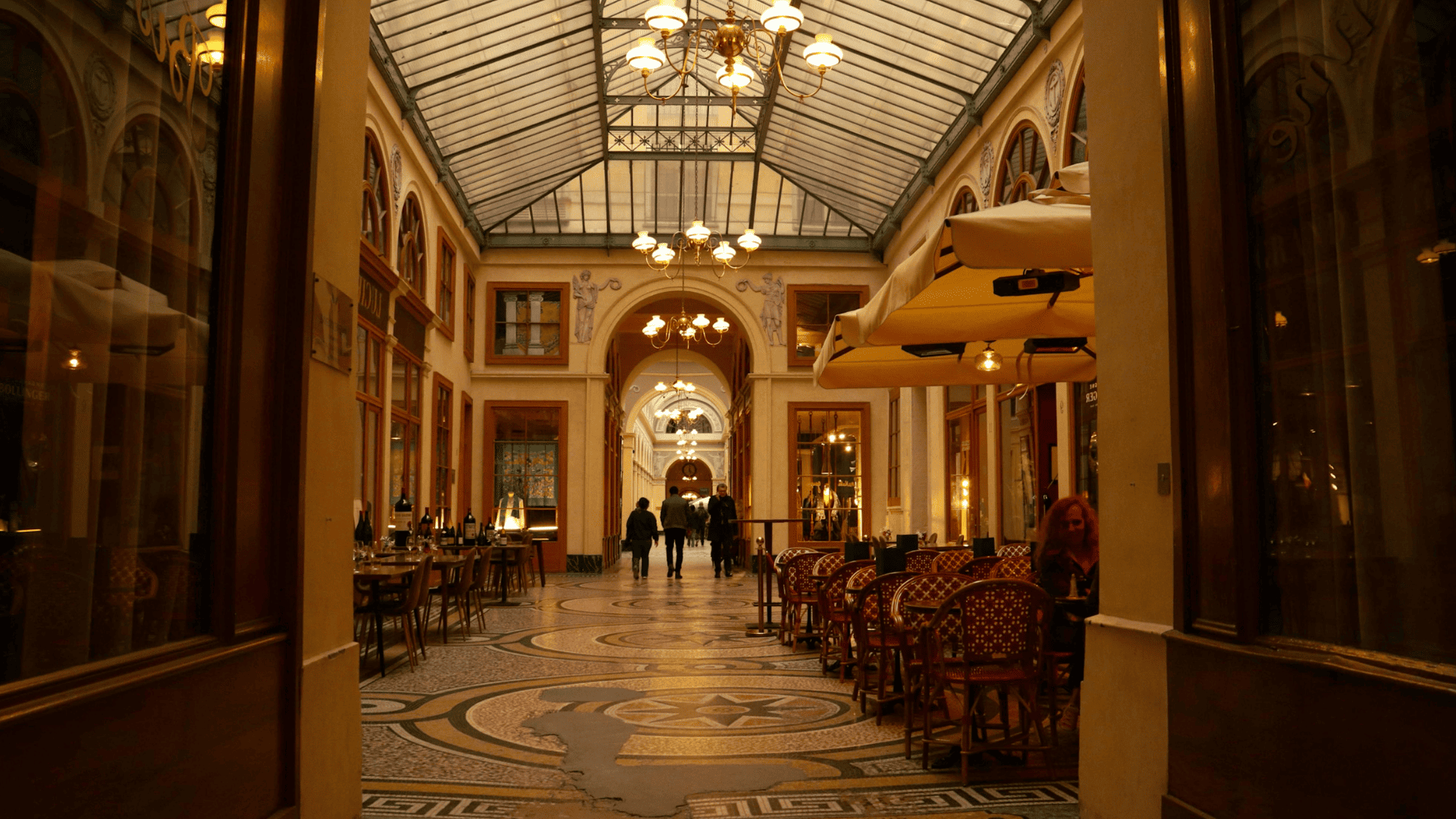
Ambient lighting hallway ideas are more than simple design trends—they are practical solutions that shape how a home feels the moment someone steps inside. A hallway may seem like a transitional space, but in reality, it sets the emotional tone of your entire home. Poor lighting can make even a beautiful house feel cramped or uninviting, while well-planned ambient lighting creates warmth, flow, and visual comfort.
Ambient lighting refers to the general, overall illumination of a space. In hallways, this type of lighting ensures safe movement, highlights architectural details, and maintains a pleasant atmosphere without harsh brightness. Unlike task lighting, which focuses on specific activities, or accent lighting, which highlights features, ambient lighting provides balanced illumination that fills the space evenly.
From my experience working with residential lighting layouts, homeowners often underestimate hallways. Yet, once ambient lighting is thoughtfully installed—whether through recessed fixtures, indirect LED strips, or soft ceiling lights—the hallway becomes a design feature rather than a forgotten corridor.
Modern hallway design emphasizes subtlety. The goal is not to overwhelm but to guide. Soft light helps the eyes adjust as people move from room to room, especially during evening hours. In homes with children or elderly family members, proper ambient lighting also improves safety by reducing shadows and dark corners.
As we explore these ambient lighting hallway ideas, you’ll see how light placement, fixture choice, and color temperature work together. Whether your hallway is short, long, narrow, or wide, there are smart lighting solutions that blend beauty with function—no matter your budget or style.
What Is Ambient Lighting?

Ambient lighting is the foundation of any lighting plan. It provides uniform illumination that allows people to move comfortably through a space without strain. In hallways, ambient lighting is especially important because these areas rarely receive natural daylight.
Typically, ambient lighting comes from ceiling-mounted fixtures, recessed lights, or indirect sources like cove lighting. The light is diffused rather than focused, which prevents harsh glare and strong shadows. This makes hallways feel calmer and more spacious.
A well-designed ambient lighting system ensures that the entire hallway is evenly lit from end to end. This consistency helps the eye travel smoothly, improving both safety and aesthetics. Without it, hallways can feel disjointed or gloomy, even during daytime.
Why Hallways Need Thoughtful Lighting
Hallways connect rooms, guide movement, and influence first impressions. If lighting is too dim, people may feel uneasy. If it’s too bright, the space can feel cold or clinical. Balanced ambient lighting solves both problems.
From a practical standpoint, hallways need clear visibility to prevent trips and falls. From a design perspective, lighting enhances wall colors, artwork, flooring, and textures. Thoughtful lighting can even make ceilings appear higher and walls appear wider.
In many homes, hallways are used at night more than during the day. Soft ambient lighting helps maintain a relaxed mood while still offering enough brightness to navigate safely.
Core Principles of Ambient Hallway Lighting Design

Great lighting design always starts with principles, not products. The first principle is uniform light distribution. Light should flow evenly across the hallway without creating dark patches or overly bright spots.
Another key principle is scale. The size of fixtures must match the width and ceiling height of the hallway. Oversized fixtures overwhelm small spaces, while tiny lights get lost in larger corridors.
Lastly, flexibility matters. Using dimmers allows homeowners to adjust brightness throughout the day, adapting the hallway’s mood to different times and needs.
Light Distribution and Uniformity
Even lighting prevents visual fatigue. In long hallways, spacing fixtures evenly ensures consistency. Recessed lights should be placed at regular intervals, while indirect lighting should wash walls or ceilings smoothly.
Uniform lighting also highlights architectural continuity, making the hallway feel intentional rather than accidental.
Balancing Brightness and Softness
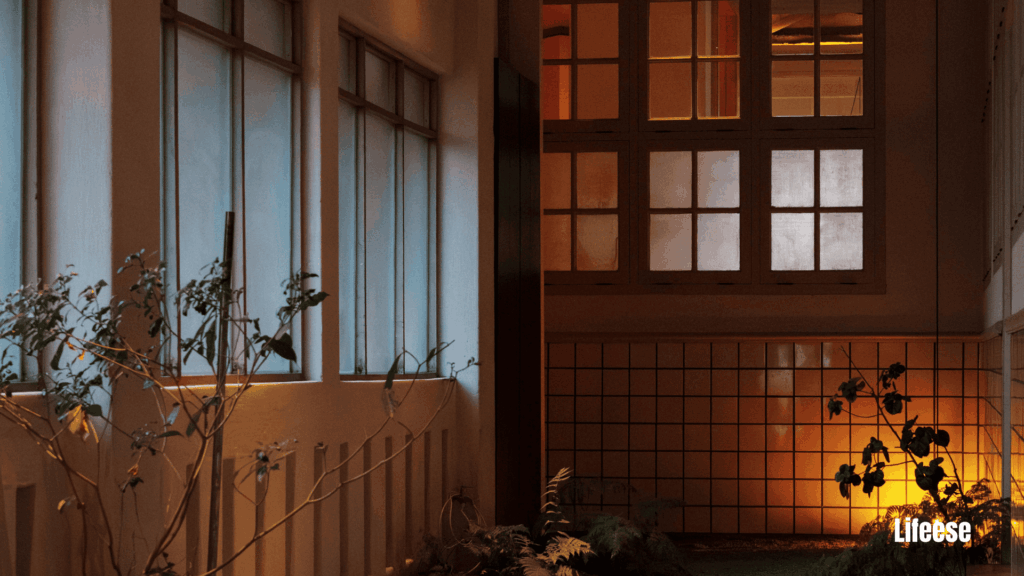
Hallways do not need extreme brightness. Soft, warm illumination is often more effective. A balance between brightness and softness keeps the space functional without feeling harsh.
Using diffused light sources, frosted covers, or indirect LEDs helps achieve this balance effortlessly.
Types of Ambient Lighting Fixtures for Hallways
Choosing the right fixture is where design meets practicality. Flush-mount ceiling lights are ideal for low ceilings, while semi-flush fixtures add visual interest in taller spaces.
Recessed lighting remains a favorite due to its clean appearance and flexibility. When installed correctly, it delivers excellent ambient illumination without cluttering the ceiling.
Cove lighting, where LED strips are hidden along ceiling edges, creates a luxurious glow that feels modern and calming.
Ambient Lighting Hallway Ideas for Small Spaces
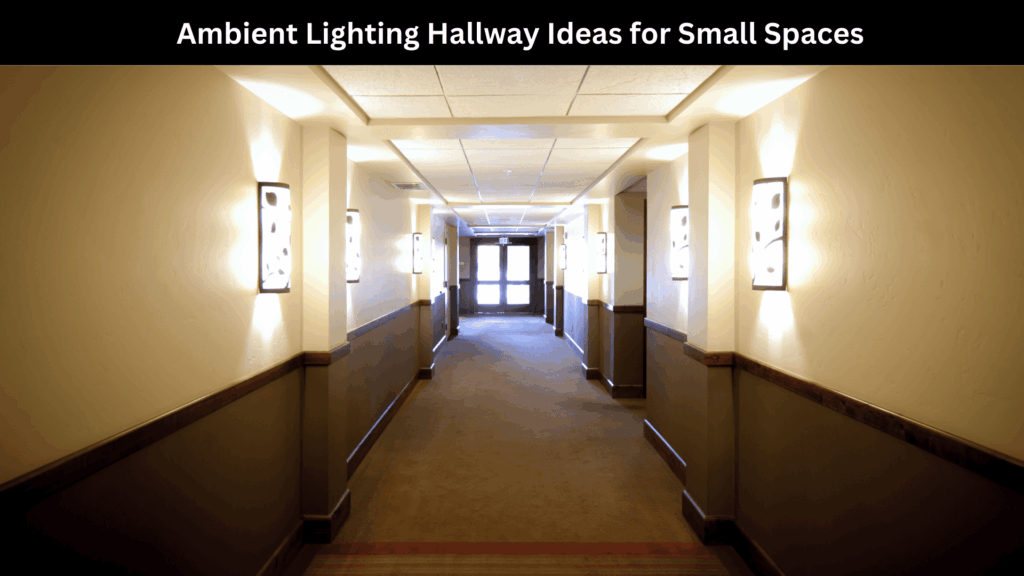
Small hallways benefit greatly from ambient lighting hallway ideas that focus on illusion and efficiency. Light-colored walls paired with warm LEDs can visually expand tight spaces.
Mirrors amplify light, making hallways feel wider and brighter. Recessed lighting is especially effective here because it keeps ceilings clean and uncluttered.
Vertical wall washing can also draw the eye upward, giving the illusion of height.
FAQs
What is the best type of ambient lighting for hallways?
Recessed lights and indirect LED strips are among the best options because they provide even, glare-free illumination.
How bright should hallway lighting be?
Moderate brightness is ideal. Around 100–200 lux is sufficient for most residential hallways.
Are LED lights suitable for ambient hallway lighting?
Yes, LEDs are energy-efficient, long-lasting, and available in various color temperatures.
Should hallway lights be warm or cool?
Warm white light (2700K–3000K) is generally preferred for a welcoming feel.
Can motion sensors be used for ambient hallway lighting?
Absolutely. Motion sensors improve energy efficiency and convenience, especially at night.
How can I make my hallway lighting more stylish?
Use layered lighting, dimmers, and fixtures that match your home’s overall design theme.
Conclusion
Ambient lighting transforms hallways from overlooked passages into inviting experiences. With the right balance of brightness, fixture choice, and placement, any hallway can feel open, safe, and stylish. By applying these expert-backed ambient lighting hallway ideas, you create not just illumination—but atmosphere, comfort, and lasting appeal.