Brilliant & Timeless Foyer Lighting Pendant Ideas That Instantly Impress (15 Expert Tips)
Foyer Lighting Pendant Ideas that blend beauty, function, and modern trends—discover expert insights to create a welcoming and unforgettable entryway.
Walking into a home should feel like a warm handshake—inviting, confident, and memorable. That’s exactly where foyer lighting pendant ideas come into play. The foyer is the first interior space guests see, and the lighting you choose quietly sets expectations for the rest of the home. Done right, a pendant light doesn’t just brighten the area—it tells a story about style, comfort, and attention to detail.
From years of working with homeowners, designers, and lighting professionals, one truth stands out: foyer lighting is never just decorative. It’s functional, emotional, and architectural all at once. Let’s explore how the right pendant lighting can transform your entryway into something truly special.
Understanding the Role of Foyer Lighting in Home Design
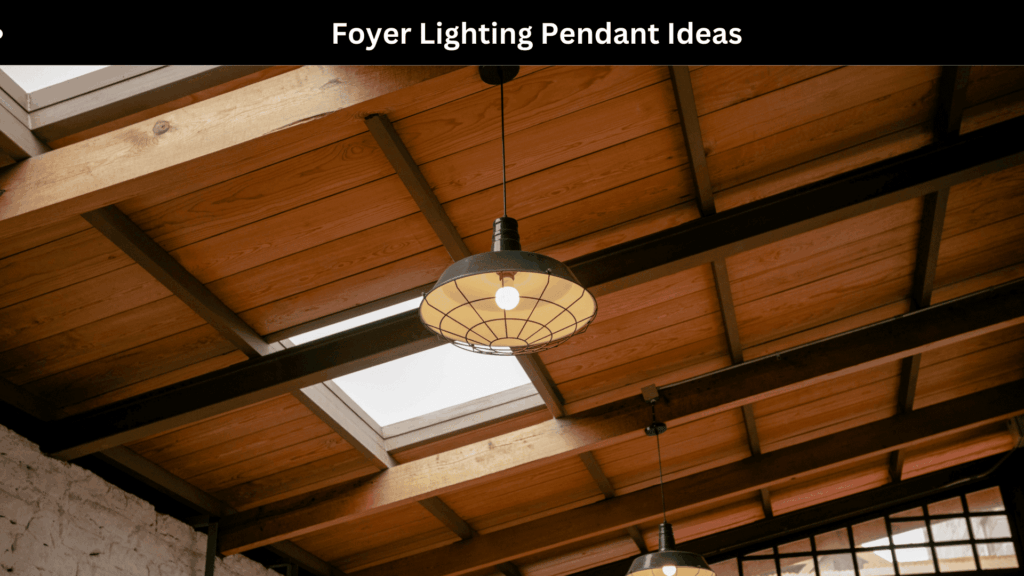
The foyer acts as a transition zone between the outside world and your personal space. Lighting here must guide movement, provide safety, and establish mood—all without overwhelming the senses.
A well-lit foyer helps people orient themselves instantly. Shoes come off, coats go on hooks, and keys land safely on a console table. Pendant lighting supports these actions while adding visual interest overhead.
Why the Foyer Sets the First Impression
Psychologists often say first impressions form within seconds, and homes are no different. A dim or harshly lit foyer can feel unwelcoming. In contrast, soft, balanced lighting creates calm and confidence the moment someone steps inside.
Psychological Impact of Lighting at Entryways
Warm lighting signals comfort and security. Bright, cool lighting signals efficiency and modernity. Pendant lights allow you to strike that balance beautifully, especially when paired with dimmers.
Balancing Function and Aesthetics
Good foyer lighting must illuminate faces, floors, and pathways while also acting as a design focal point. Pendant lights excel here because they draw the eye upward, making even modest spaces feel intentional.
Lighting as a Design Anchor
Think of a pendant light as the anchor that ties together wall color, flooring, and furniture. When chosen thoughtfully, it becomes the silent hero of your foyer.
What Are Pendant Lights and Why They Work in Foyers
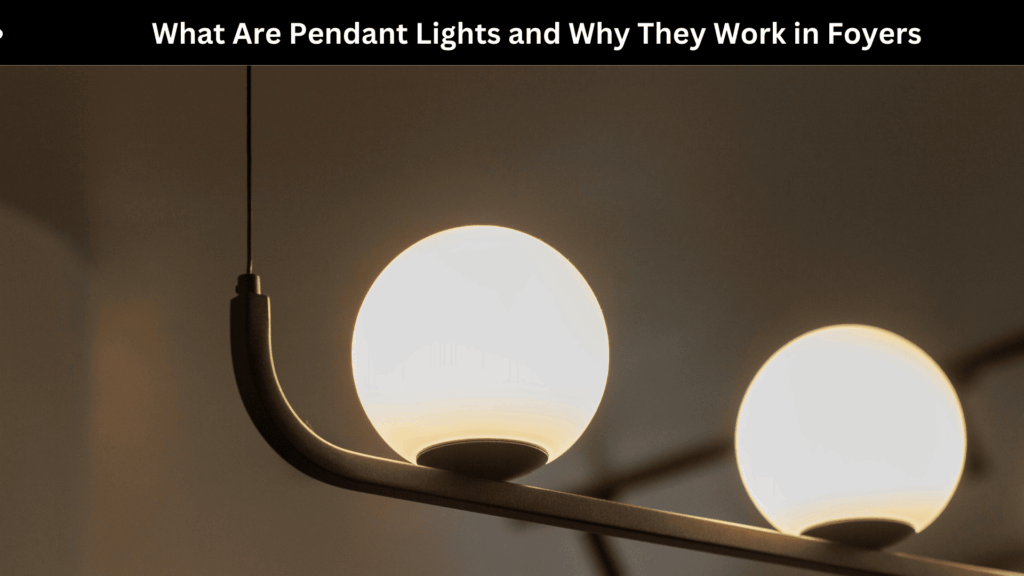
Pendant lights are fixtures suspended from the ceiling by a cord, rod, or chain. Their versatility makes them ideal for foyers of all sizes.
Definition and Core Characteristics of Pendant Lighting
Unlike flush mounts, pendants hang down into the space, creating depth and dimension. They offer focused illumination while doubling as decorative elements.
How Pendant Lights Differ from Chandeliers
Chandeliers spread light outward with multiple arms, while pendants focus light downward. This makes pendants perfect for entryways that need clarity without visual clutter.
Space-Saving and Visual Appeal Benefits
Pendants take up less visual space than bulky fixtures, which is especially helpful in narrow or low-ceiling foyers.
Pendant Lighting in Modern Architecture
Modern homes favor clean lines and intentional design. Pendant lighting fits seamlessly into this philosophy, offering form and function in one elegant package.
Choosing the Right Pendant Size for Your Foyer
Size matters—a lot—when it comes to foyer lighting.
Ceiling Height and Scale Considerations
For ceilings under 9 feet, compact pendants work best. High ceilings, on the other hand, can handle taller or multi-tier designs without feeling crowded.
Small, Medium, and Grand Foyer Solutions
- Small foyers: Slim, single pendants
- Medium foyers: Medium-diameter statement pieces
- Grand foyers: Oversized or layered pendant designs
Proportions That Create Balance
A good rule of thumb is to ensure the pendant doesn’t block sightlines or hang too low. Balance is the goal, not dominance.
Common Sizing Mistakes to Avoid
Oversized fixtures in small spaces and tiny pendants in grand foyers are the most common—and most noticeable—errors.
Popular Styles of Foyer Pendant Lighting
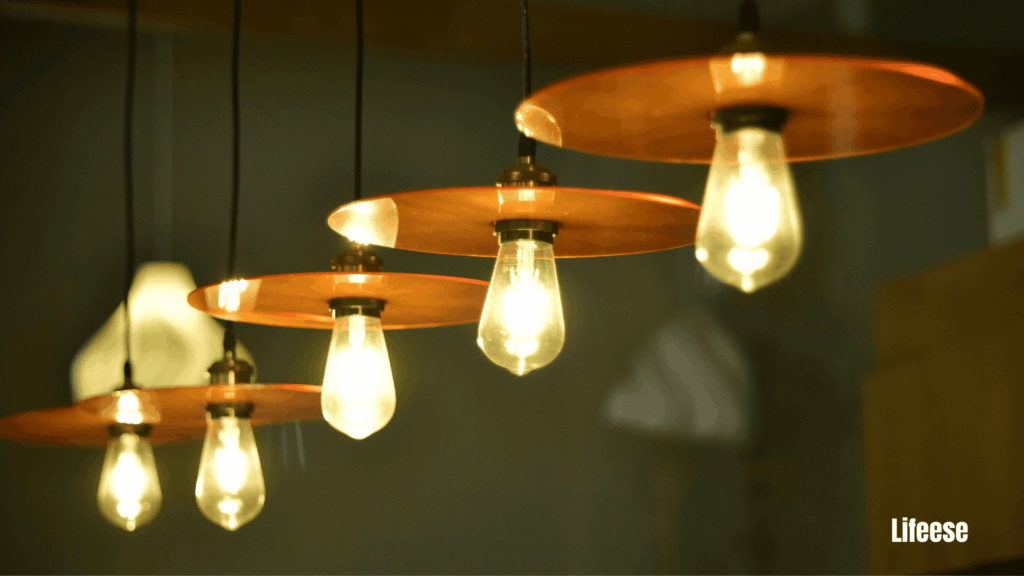
Style defines personality, and pendant lighting is no exception.
Modern and Contemporary Pendants
Clean shapes, metallic finishes, and simple silhouettes define modern designs. These work well in minimalist homes.
Traditional and Classic Designs
Glass lanterns and ornate metalwork suit classic interiors, offering timeless appeal.
Farmhouse, Rustic, and Industrial Looks
Exposed bulbs, aged metals, and natural textures bring warmth and character.
Minimalist and Artistic Statement Pieces
Some pendants blur the line between lighting and sculpture—perfect for design-forward homes.
Material Choices That Define Pendant Lighting
Materials affect not only appearance but also how light behaves.
Glass, Metal, Wood, and Mixed Materials
- Glass: Bright and open
- Metal: Focused and dramatic
- Wood: Warm and organic
How Materials Affect Light Diffusion
Clear glass spreads light widely, while opaque materials create focused pools of illumination.
Durability and Maintenance Considerations
Metal fixtures are durable and easy to clean, while wood requires more care.
Matching Materials with Interior Themes
Consistency across materials creates a cohesive look throughout the home.
Color Temperature and Bulb Selection for Foyers
Light color influences mood more than most people realize.
Warm vs Cool Lighting Explained
Warm light feels welcoming. Cool light feels crisp. Most foyers benefit from warm or neutral tones.
Energy-Efficient LED Options
Modern LEDs offer longevity, efficiency, and excellent color rendering.
Brightness Levels for Safety and Comfort
Your foyer should be bright enough to navigate safely without feeling harsh.
Smart Bulbs and Dimming Capabilities
Smart lighting allows flexibility, adapting the space for day or night.
Placement Rules for Pendant Lights in Entryways
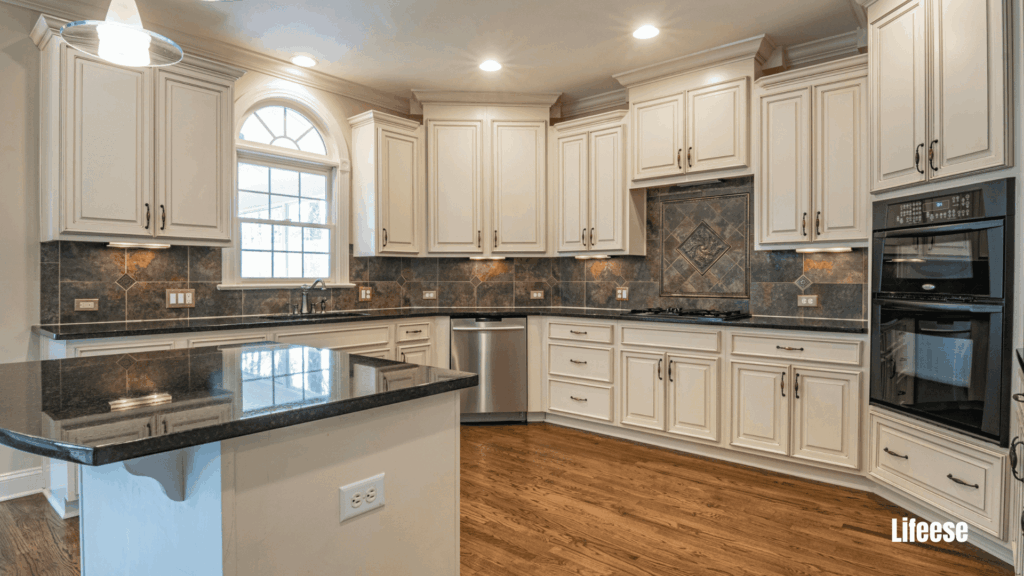
Placement can make or break the design.
Ideal Hanging Height Guidelines
Most pendants should hang 7–8 feet from the floor, depending on ceiling height.
Centering and Visual Alignment Tips
Align pendants with doors, rugs, or furniture for visual harmony.
Single Pendant vs Multiple Pendants
One strong statement or several subtle fixtures—both can work when planned carefully.
Avoiding Glare and Shadows
Diffusers and proper placement help prevent uncomfortable lighting effects.
Foyer Lighting Pendant Ideas for Small Spaces
Small foyers deserve big design thinking.
Compact Designs That Open Up Space
Slim pendants keep the area feeling open and uncluttered.
Reflective Materials and Illusion Techniques
Mirrored finishes and glass help bounce light around.
Minimalist Pendants for Apartments
Simple shapes keep things stylish without excess.
Layered Lighting for Depth
Combining pendant lighting with wall sconces adds dimension.
Grand Foyer Pendant Ideas for Large Homes
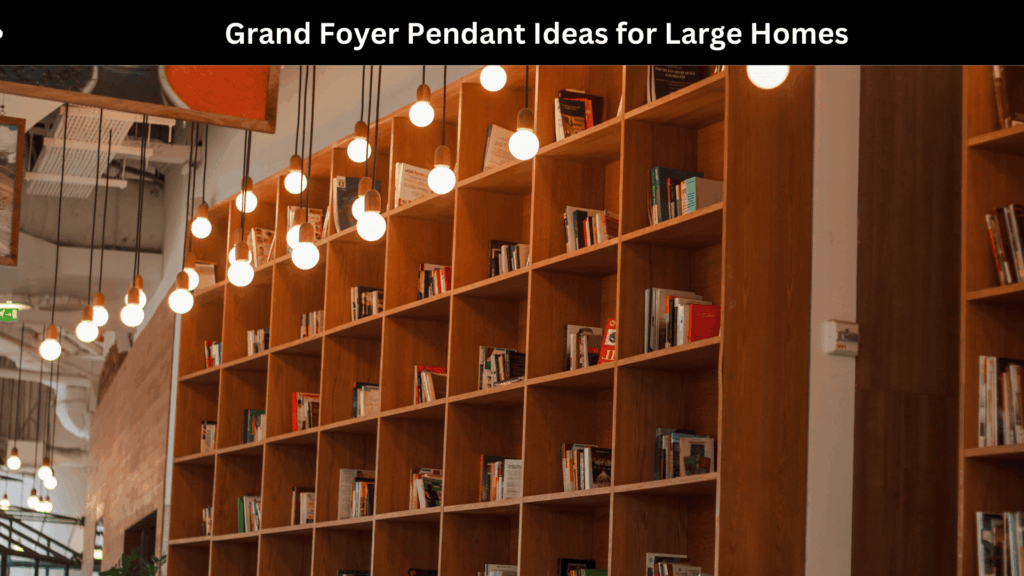
Large foyers invite drama.
Statement Pendants for High Ceilings
Tall, cascading pendants fill vertical space beautifully.
Multi-Tier and Oversized Designs
These create instant luxury and visual impact.
Blending Pendants with Chandeliers
Layering fixtures adds richness and depth.
Luxury Lighting Concepts
Custom fixtures elevate the entire home aesthetic.
FAQs
How many pendant lights should a foyer have?
It depends on size. Small foyers need one; large spaces may need two or more.
Are pendant lights safe for entryways?
Yes, when installed correctly and at proper heights.
Can pendant lights be dimmed?
Most modern pendants support dimming.
What style suits most homes?
Transitional designs blend well with many interiors.
Are LED bulbs recommended?
Absolutely—they’re efficient and long-lasting.
Should foyer lighting match the rest of the house?
It should complement, not necessarily match exactly.
Conclusion
The right lighting doesn’t shout—it welcomes. Thoughtfully chosen foyer lighting pendant ideas can turn an ordinary entryway into a confident introduction to your home’s personality. When form meets function, and style meets comfort, the result is an entry that feels just right—every single time.