Curved Furniture Living Room: 11 Powerful Reasons This Timeless Trend Transforms Modern Homes
Curved Furniture Living Room design is redefining comfort and elegance. Discover why this powerful interior trend creates warmth, flow, and modern sophistication.
Introduction to Curved Furniture Living Room Design
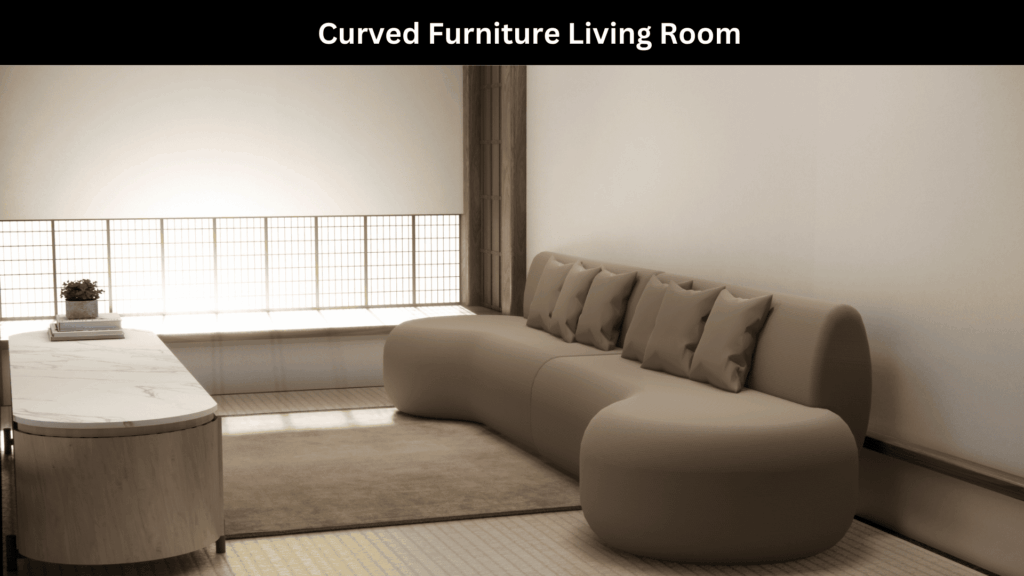
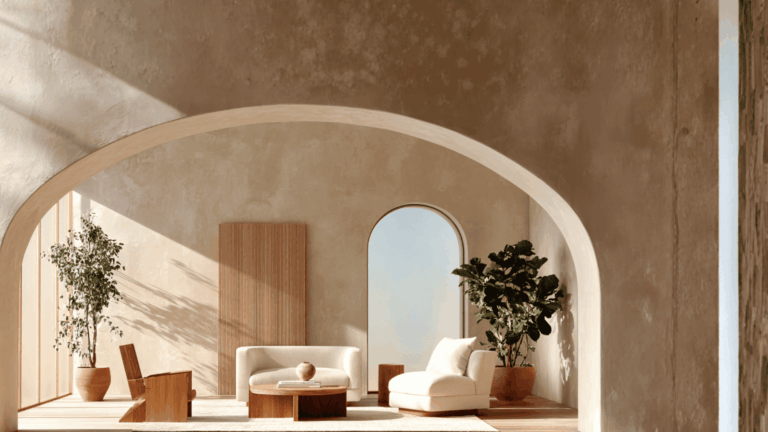
The Curved Furniture Living Room concept has quietly shifted from a niche design preference to a defining feature of modern interiors. Walk into a thoughtfully designed living room today, and chances are you will notice soft edges, rounded silhouettes, and flowing forms replacing rigid lines and sharp corners. This change is not accidental. It reflects how people want their homes to feel—welcoming, calm, and deeply human.
Unlike traditional boxy furniture arrangements, curved furniture introduces movement and balance. Sofas with gentle arcs, crescent-shaped sectionals, rounded coffee tables, and sculptural chairs create visual harmony while encouraging conversation and comfort. These designs are not just visually appealing; they align with how people naturally move, sit, and gather.
From compact apartments to expansive luxury villas, curved furniture adapts effortlessly. It softens architectural harshness, improves circulation, and adds a sense of intentional design. Interior designers increasingly favor curves because they blend functionality with emotional comfort. Simply put, curved forms feel friendlier and less imposing.
This article draws on real-world interior design practices, furniture craftsmanship insights, and contemporary styling principles to explore how curved furniture reshapes living rooms. Whether you are redesigning your space or starting from scratch, understanding this trend can help you create a living room that feels timeless rather than trendy.
The Psychology Behind Curved Shapes in Interior Spaces
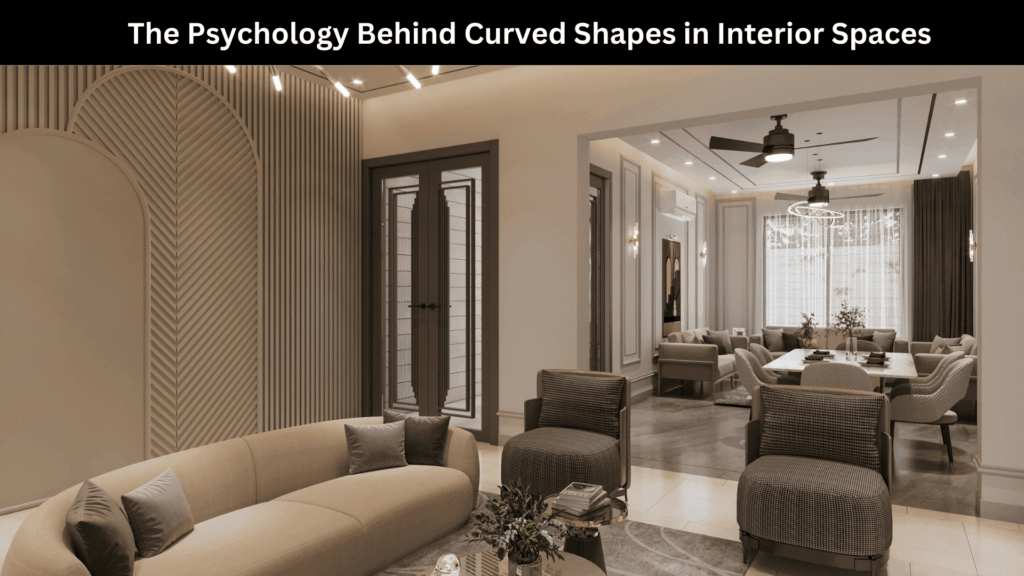
Human beings are naturally drawn to curves. In psychology and neuroscience, rounded shapes are often associated with safety, softness, and approachability. Sharp edges, on the other hand, subconsciously signal caution or tension. This explains why curved furniture instantly makes a living room feel more relaxed.
Curved furniture mirrors shapes found in nature—waves, leaves, stones, and human forms. These organic references reduce visual stress and promote emotional ease. When applied to a living room, curved sofas and chairs encourage longer stays, deeper conversations, and a stronger sense of belonging.
Studies in environmental psychology suggest that people perceive curved interiors as more luxurious and emotionally comforting. This perception plays a major role in why hotels, lounges, and upscale residences increasingly feature curved seating arrangements. At home, the effect is even more powerful because the living room is where daily life unfolds.
Curves also influence movement. Instead of stopping abruptly at sharp corners, the eye flows smoothly around rounded furniture, making the room feel larger and more cohesive. This psychological continuity enhances spatial awareness and prevents visual clutter.
In short, curved furniture does more than decorate a living room—it shapes how people feel and interact within it.
Historical Evolution of Curved Furniture in Living Rooms
Curved furniture is not a modern invention. Its roots trace back to ancient civilizations, where artisans carved rounded benches and seating from stone and wood. However, it gained prominence during the classical and Renaissance periods, when craftsmanship celebrated fluid lines and ornamental curves.
In the 18th and 19th centuries, curved furniture became a symbol of refinement. Styles such as Rococo and Art Nouveau emphasized flowing forms, cabriole legs, and rounded backs. Living rooms of that era were designed as social salons, and curved seating encouraged face-to-face interaction.
The mid-20th century marked a turning point. Designers like Eero Saarinen and Vladimir Kagan reimagined curved furniture using modern materials and minimalist aesthetics. Their iconic designs proved that curves could feel contemporary, not ornate.
Today, curved furniture has evolved again. Modern living rooms balance clean lines with organic shapes, blending tradition and innovation. Advanced manufacturing techniques allow for precise curves, better support, and improved durability. What was once a luxury reserved for elite spaces is now accessible and adaptable for everyday homes.
Why Curved Furniture Living Room Layouts Feel More Inviting
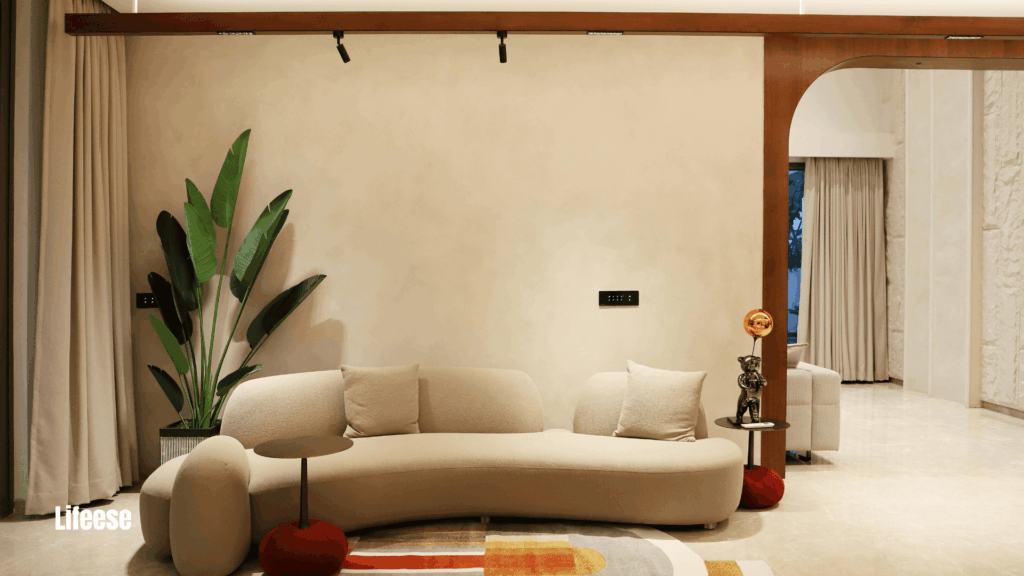
A living room should invite people in, not push them away. Curved furniture naturally creates this sense of openness. Instead of forming rigid boundaries, rounded pieces guide movement and encourage interaction.
One major advantage is improved flow. Curved sofas and chairs reduce awkward walkways and sharp turns, making navigation easier—especially in high-traffic homes. This is particularly helpful for families with children or elderly members.
Curved layouts also support conversation. A semi-circular sofa arrangement brings people closer without forcing them into stiff positions. Everyone feels included, and eye contact becomes effortless.
From a design perspective, curved furniture adds depth. It breaks monotony and creates focal points without overwhelming the room. When paired with soft lighting and textured fabrics, the result is a living room that feels layered, warm, and thoughtfully designed.
Soft Geometry vs Sharp Angles in Interior Design
Interior design often balances geometry, but the difference between soft and sharp forms is dramatic. Sharp angles dominate attention and create contrast, while soft geometry blends seamlessly into the environment.
Soft curves reduce visual noise. They allow other design elements—such as art, lighting, and textiles—to shine without competition. In a living room, this balance feels intentional rather than chaotic.
That said, curved furniture does not eliminate structure. Instead, it works best when paired with subtle straight-line elements like shelving, rugs, or architectural features. This contrast keeps the space grounded while preserving its inviting atmosphere.
Types of Curved Furniture Used in Living Rooms
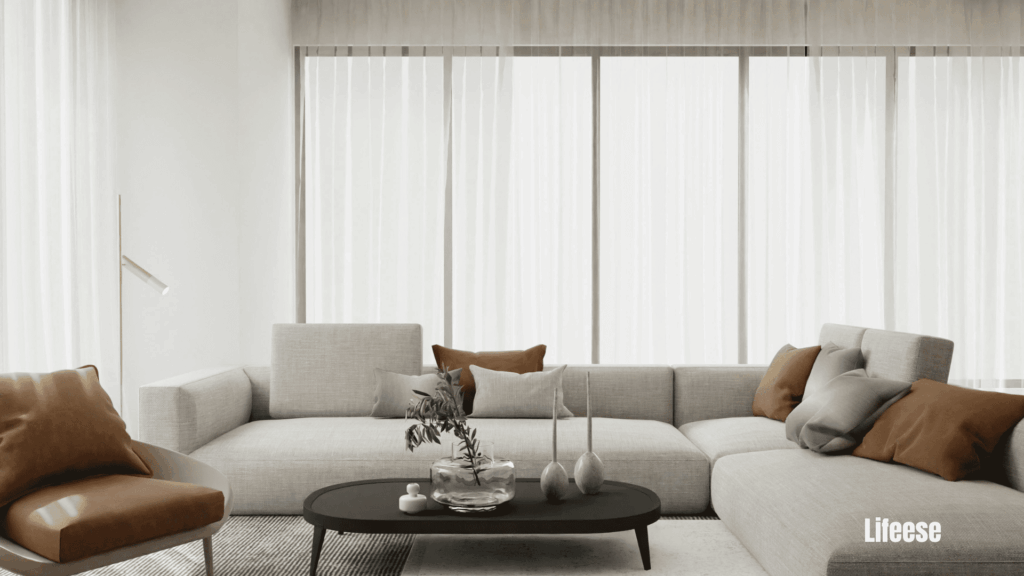
Curved furniture comes in many forms, each serving a specific function while contributing to overall harmony.
Curved sofas and sectionals are the centerpiece. They define the seating area and set the tone for the entire room. These pieces are designed for both comfort and visual impact.
Rounded accent chairs add flexibility. They can be repositioned easily and often serve as statement pieces.
Oval and circular coffee tables soften the center of the room and improve circulation. Without sharp corners, they are safer and more practical for everyday use.
Sculptural storage and media units introduce curves into functional areas, proving that storage can be both practical and elegant.
How to Style a Curved Furniture Living Room
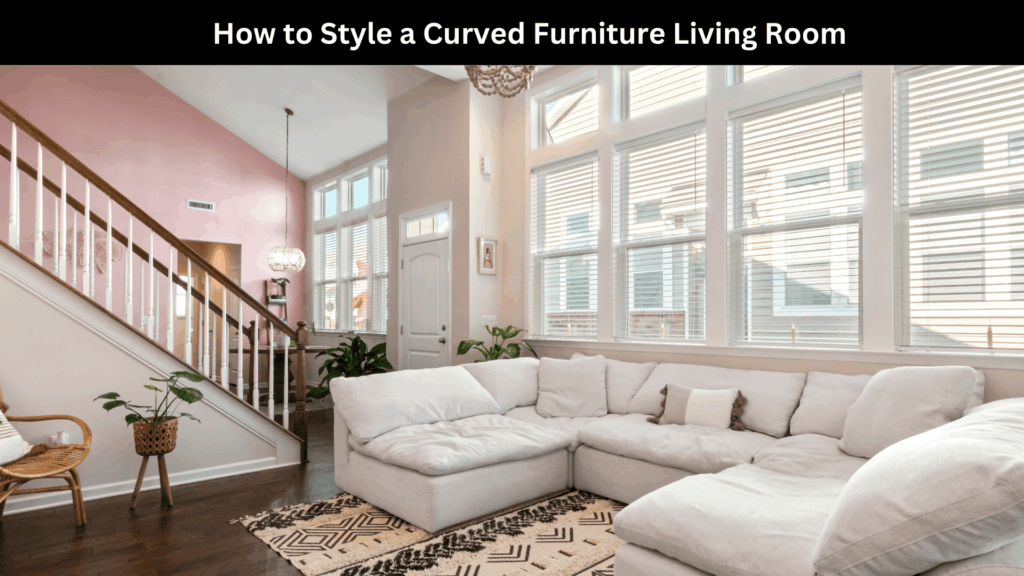
Styling curved furniture requires intention. Soft color palettes—such as warm neutrals, muted earth tones, and gentle pastels—enhance rounded forms. Textured fabrics like boucle, velvet, and linen add depth without overpowering the design.
Lighting plays a critical role. Arched floor lamps, globe pendants, and indirect lighting emphasize curves and create ambiance. Avoid harsh lighting that flattens the space.
Accessories should echo the theme subtly. Rounded vases, organic artwork, and flowing rugs reinforce cohesion while preventing repetition.
FAQs
Is curved furniture suitable for small living rooms?
Yes. Curved furniture can actually make small living rooms feel larger by improving flow and reducing visual clutter.
Does curved furniture work with modern interiors?
Absolutely. Modern design increasingly embraces organic shapes alongside clean lines.
Is curved furniture more expensive?
Not necessarily. While some designer pieces cost more, many affordable options are widely available.
How do I balance curved and straight furniture?
Use curved seating with straight shelving or rugs to maintain structure.
Is curved furniture comfortable for everyday use?
Yes. Many designs are ergonomically superior to rigid furniture.
Does curved furniture go out of style?
Curves are timeless and continually reinterpreted, making them a lasting choice.
Conclusion
Curved furniture represents more than a design trend—it reflects how people want to live. As homes become sanctuaries of comfort and connection, rounded forms will continue to shape living rooms that feel welcoming, balanced, and enduring.