Stunning Wood Slat Feature Wall: The Smart Way to Transform Any Space (7 Proven Ideas)
Wood Slat Feature Wall ideas explained in a clear, expert guide covering design styles, materials, costs, installation, and maintenance for modern interiors.
Introduction to Modern Wood Slat Walls
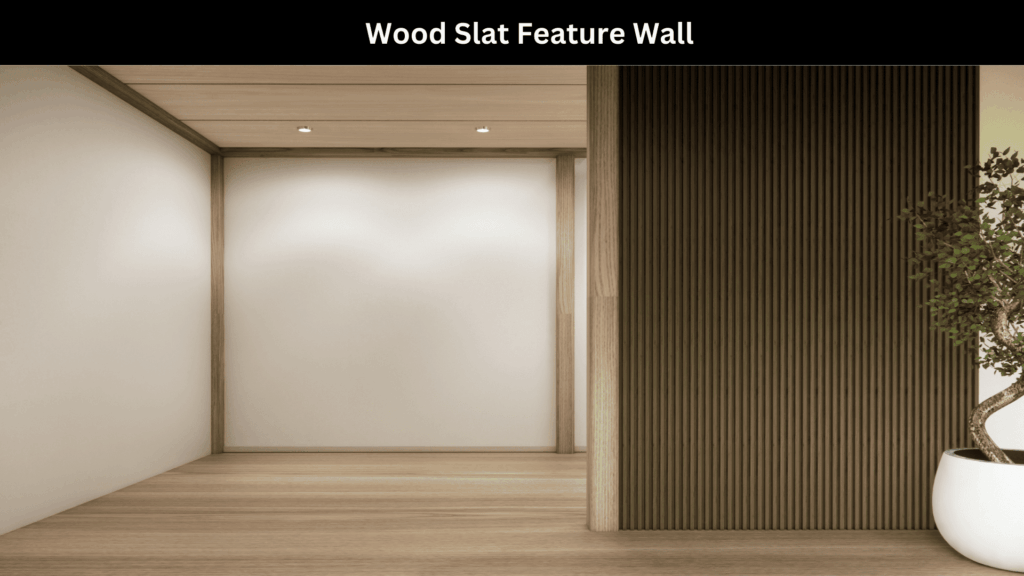
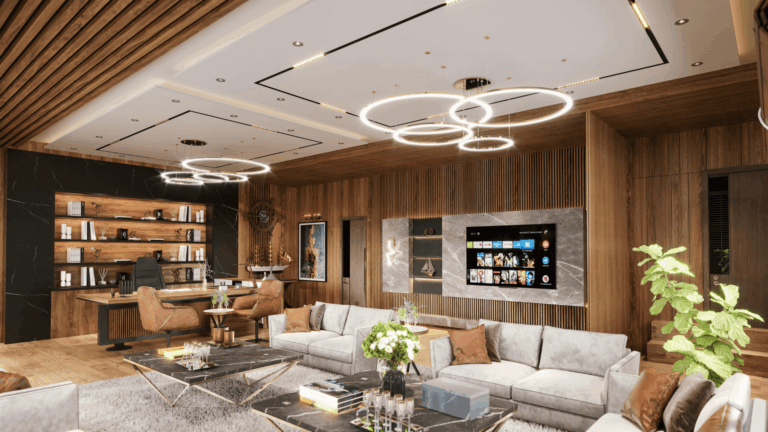
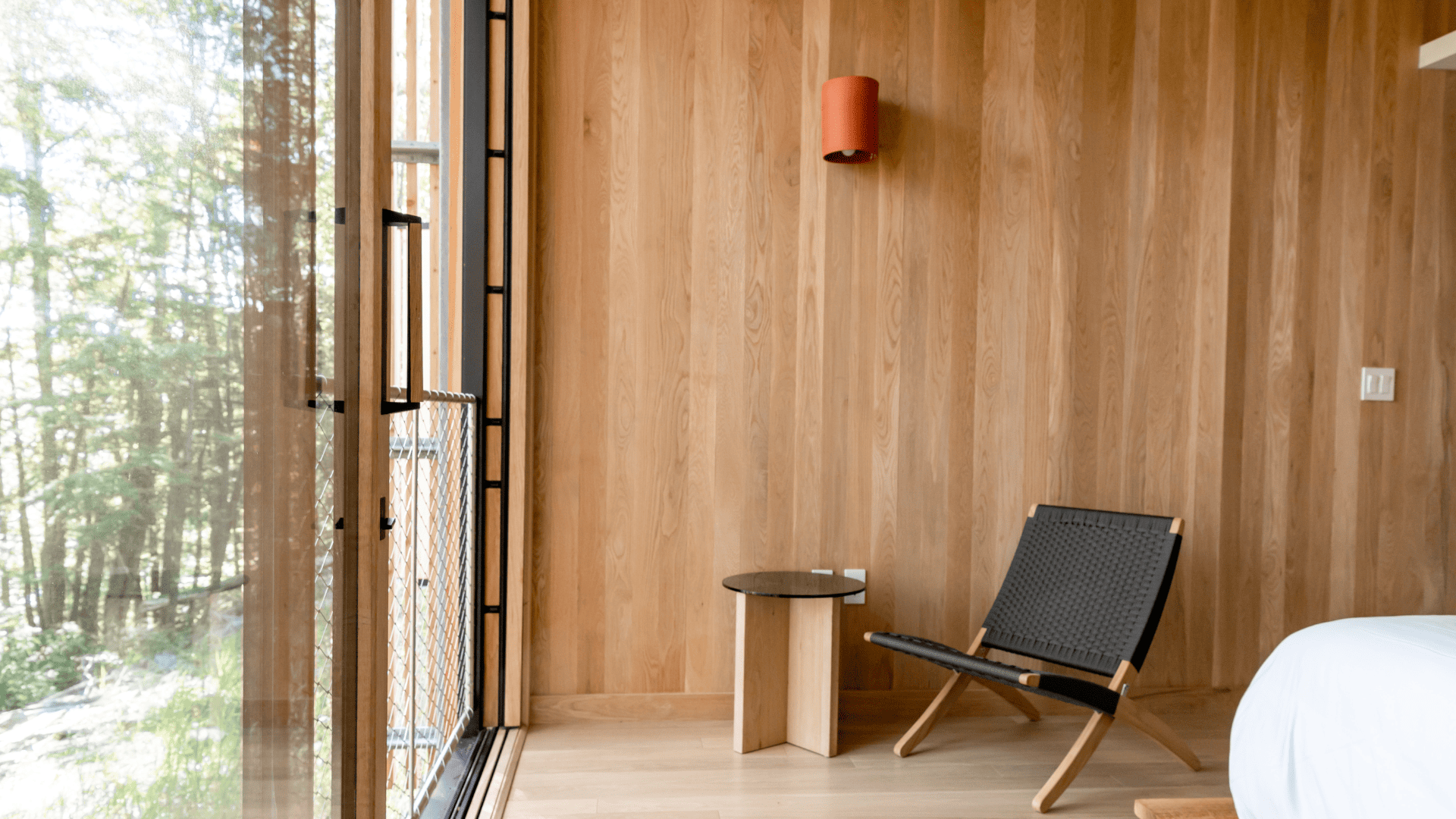
A Wood Slat Feature Wall is one of those design choices that looks simple at first glance, yet delivers a powerful impact the moment you step into a room. It adds warmth, texture, rhythm, and a sense of calm that painted walls or plain panels often fail to achieve. Today, homeowners, designers, and even commercial architects are turning to slatted wood walls to bring character into modern spaces without making them feel heavy or outdated.
At its core, this design works because it connects people to nature. Wood has always carried a feeling of comfort and balance. When arranged in clean, repeating slats, it feels both natural and modern at the same time. That balance is exactly why this wall treatment fits just as well in a cozy bedroom as it does in a sleek office or stylish café.
Another reason these walls are so popular is flexibility. You can keep the look subtle with light‑colored timber and narrow spacing, or go bold with darker tones and dramatic lighting. Whether the goal is to highlight a TV wall, frame a staircase, or soften a large open room, this design adapts easily.
Most importantly, a Wood Slat Feature Wall is not just about looks. It can improve sound quality, hide imperfections, and visually organize a space. In homes where open‑plan living is common, slatted walls help define areas without blocking light or airflow. That practical beauty makes them a smart investment rather than a passing trend.
What a Wood Slat Feature Wall Is
A wood slat wall is created by fixing evenly spaced wooden strips onto a backing surface. These slats can be solid wood, engineered wood, or composite panels, depending on budget and purpose. The spaces between the slats are just as important as the slats themselves, creating a pattern that draws the eye upward, sideways, or toward a focal point.
Unlike traditional wall paneling, slat walls rely on repetition and alignment. This repetition brings a sense of order and calm. Designers often use black or dark backing behind the slats to add depth, making the wood stand out even more.
In practical terms, these walls can be purely decorative or functional. Some versions include acoustic felt backing to reduce echo and noise, which is especially useful in living rooms, home theaters, and offices. Others focus purely on visual appeal, acting as a statement piece that anchors the entire room design.
Why Slatted Wood Designs Are Trending
Trends in interior design often reflect how people want to feel in their homes. In recent years, there has been a clear shift toward comfort, simplicity, and natural materials. Slatted wood walls meet all three needs at once.
Social media and design platforms have also played a role. Clean, vertical lines photograph beautifully and suit minimalist styles. At the same time, wood brings warmth that balances the sometimes cold feel of modern interiors filled with glass and metal.
Another reason for their popularity is ease of installation. Pre‑made slat panels allow homeowners to achieve a high‑end look without complex construction. This has made the style more accessible, even for small renovations.
History and Evolution of Slat Wall Design
Wood slats are not new. They have been used for decades in furniture, ceilings, and exterior screens. What has changed is how they are used on interior walls. In the mid‑20th century, slatted wood appeared in modernist homes as room dividers and decorative accents. Over time, the idea evolved into full feature walls.
From Mid‑Century Interiors to Contemporary Homes
Mid‑century designers valued clean lines and honest materials. Slatted wood fit perfectly into that philosophy. Today’s designers borrow that same idea but apply it with modern tools, finishes, and lighting. The result feels familiar yet fresh.
Influence of Scandinavian and Japanese Styles
Scandinavian interiors focus on light, simplicity, and natural textures. Japanese design emphasizes balance, rhythm, and calm. A slatted wood wall reflects both influences, which explains its global appeal. It feels peaceful without being plain.
Types of Wood Used in Slat Feature Walls
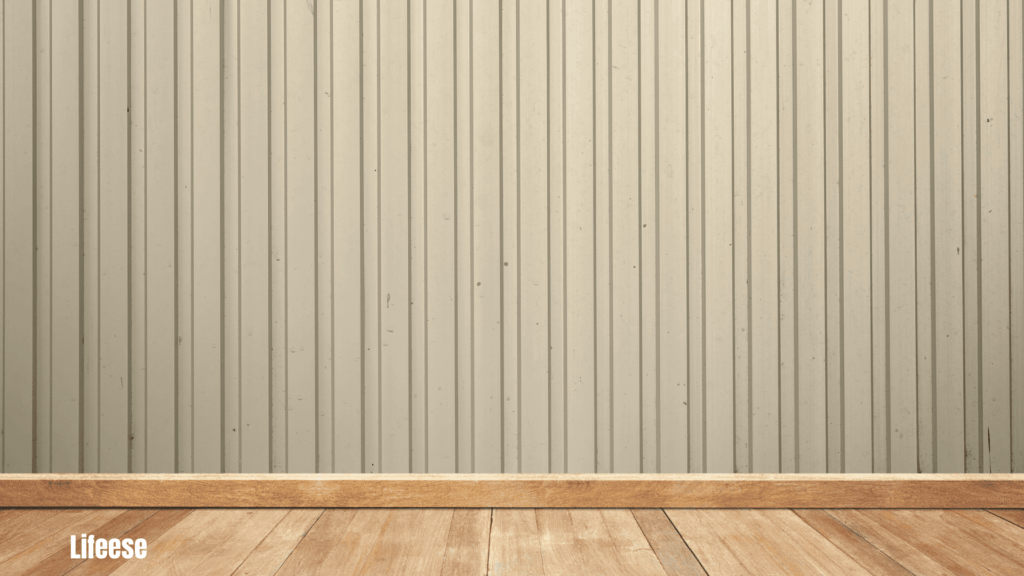
Choosing the right wood is one of the most important decisions. Each type brings a different look, cost, and level of durability.
Natural Hardwood Options
Hardwoods offer rich color and long‑lasting quality. They age beautifully and add value to a space.
Oak, Walnut, Teak, and Cedar
Oak is strong and versatile, walnut adds deep elegance, teak resists moisture, and cedar offers a light, aromatic feel. The choice depends on climate, budget, and design goals.
Engineered and MDF Slat Panels
Engineered panels are more affordable and stable. They resist warping and are easier to install, making them ideal for large walls or DIY projects.
Cost, Durability, and Finish Considerations
While solid wood costs more, engineered options provide excellent value. Veneers and laminates can closely mimic real wood while keeping costs under control.
Design Styles and Aesthetic Variations
The beauty of slatted walls lies in variation. Small design choices can completely change the mood of a room.
Vertical vs Horizontal Slat Layouts
Vertical slats make ceilings appear higher, while horizontal slats widen a room visually. Choosing the right orientation depends on room size and proportion.
Narrow Spacing vs Wide Spacing Effects
Tight spacing feels refined and modern. Wider gaps feel bold and architectural. Lighting plays a key role in enhancing both effects.
Installation Methods and Techniques
Installing a wood slat wall may look complex, but with proper planning, it becomes a straightforward process. The method you choose depends on whether you are using individual slats or pre‑assembled panels. Both approaches can deliver excellent results when done correctly.
DIY Installation vs Professional Fitting
DIY installation appeals to homeowners who enjoy hands‑on projects and want to save on labor costs. Many modern slat panels are designed with simplicity in mind. They come with backing felt or boards that can be fixed directly to the wall using screws or adhesive. This makes alignment easier and reduces installation time.
Professional fitting, on the other hand, ensures precision. Professionals understand wall conditions, leveling, and spacing consistency. They are especially helpful when the wall includes electrical outlets, switches, or integrated lighting. While professional installation costs more upfront, it often prevents costly mistakes and ensures a polished finish.
Tools, Measurements, and Wall Preparation
Accurate measurement is critical. Walls must be clean, dry, and level before installation. Common tools include a spirit level, drill, measuring tape, saw, and wall anchors. If the wall surface is uneven, a batten framework may be required to create a flat base.
Common Installation Mistakes to Avoid
Rushing the layout is the most common error. Slats that are uneven or poorly spaced disrupt the entire visual effect. Another mistake is ignoring expansion gaps. Wood naturally expands and contracts, so small gaps prevent warping over time.
Maintenance, Cleaning, and Longevity
One advantage of slatted wood walls is their low maintenance. With basic care, they can last for decades while maintaining their appearance.
Daily Care and Dust Prevention
Regular dusting with a soft cloth or vacuum brush attachment is usually enough. Avoid excessive water, as moisture can damage wood finishes over time.
Repairing Scratches and Fading
Minor scratches can be treated with wood touch‑up markers or light sanding followed by oil or polish. To prevent fading, avoid prolonged exposure to direct sunlight or use UV‑protective finishes.
Cost Breakdown and Budget Planning
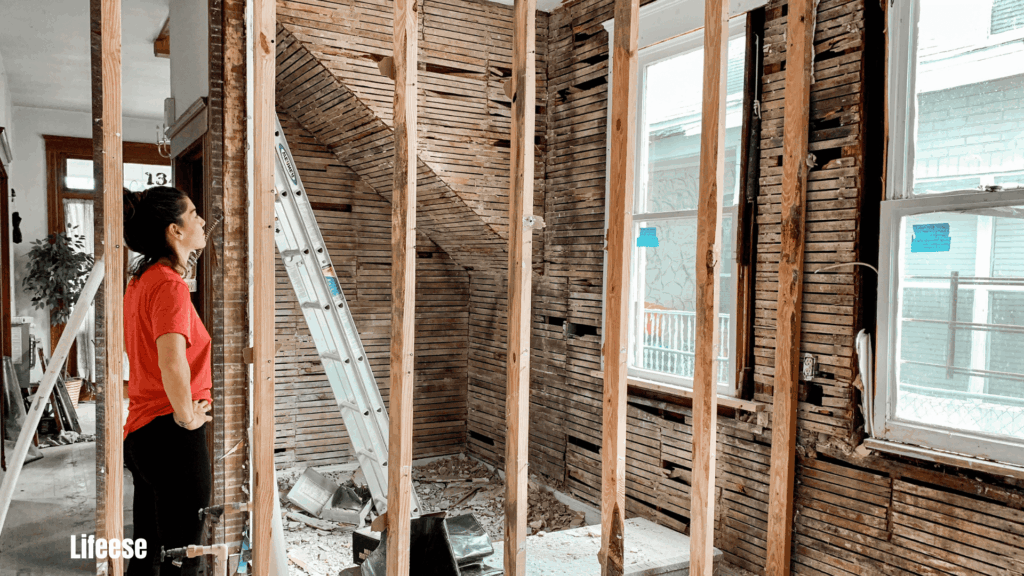
The cost of a slatted wall varies widely depending on materials, wall size, and installation method.
Material Costs vs Labor Costs
Solid hardwood slats are the most expensive option, while MDF or engineered panels are more affordable. Labor costs depend on complexity, wall height, and additional features such as lighting or acoustic backing.
Long‑Term Value and Return on Investment
Although the initial investment may seem high, a well‑designed feature wall adds visual value and can increase property appeal. It often becomes a selling point in modern homes.
Sustainability and Eco‑Friendly Choices
Sustainability is an important consideration in modern design, and wood slat walls can be an environmentally responsible choice.
Responsible Wood Sourcing
Look for timber certified by reputable forestry organizations. These sources ensure that wood is harvested responsibly and forests are regenerated.
Recycled and Low‑VOC Finishes
Using recycled wood or low‑VOC finishes reduces environmental impact and improves indoor air quality, making the space healthier.
Common Design Mistakes and How to Avoid Them
Even a beautiful idea can fail if applied incorrectly.
Overuse, Poor Spacing, and Lighting Errors
Using slats on every wall can overwhelm a room. It works best as a feature. Poor lighting can flatten the texture, while well‑placed lights enhance depth and warmth.
Expert Design Tips for Best Results

Thoughtful design choices elevate the final outcome.
Lighting Integration and Color Matching
Warm LED strip lighting between slats highlights texture. Matching the wood tone with flooring or furniture creates visual harmony.
Combining Slat Walls with Other Materials
Pairing wood slats with stone, concrete, or glass adds contrast and sophistication without cluttering the design.
FAQs
Are wood slat walls suitable for small rooms?
Yes. Vertical slats can make small rooms feel taller and more open.
Can slat walls improve acoustics?
Yes. When combined with acoustic backing, they reduce echo and noise.
Are they difficult to maintain?
No. Simple dusting and occasional care are enough.
Do slat walls work in humid areas?
With moisture‑resistant wood and proper sealing, they can be used carefully in such spaces.
Can I install a TV on a slat wall?
Yes, but proper mounting support behind the slats is essential.
Are pre‑made panels worth it?
They save time, ensure alignment, and are ideal for quick renovations.
Conclusion
A Wood Slat Feature Wall offers more than visual appeal. It brings warmth, structure, and balance into any space while remaining practical and timeless. When designed thoughtfully, it enhances comfort, improves acoustics, and elevates overall interior quality.
Whether you choose natural hardwood or engineered panels, careful planning and proper installation make all the difference. With the right approach, this design choice becomes a long‑term asset rather than a short‑lived trend, transforming ordinary walls into lasting architectural statements.