Powerful 15+ Biophilic Interior Design Tips for a Healthier, Happier Home
Discover powerful Biophilic Interior Design Tips to transform your home into a healthier, happier sanctuary inspired by nature.
Biophilic Interior Design Tips are changing the way we think about our homes. More than just adding a few plants, this approach connects indoor spaces with the natural world in meaningful ways. And let’s be honest—who doesn’t feel better after a walk in the park or a day at the beach? Bringing those feelings indoors isn’t just trendy; it’s smart design rooted in science.
In this in-depth guide, we’ll explore how to use nature-inspired strategies to improve well-being, increase productivity, and create beautiful, sustainable spaces. Whether you live in a small apartment or a spacious home, these insights will help you build an environment that feels alive, balanced, and uplifting.
Understanding the Core Concept of Nature-Inspired Design
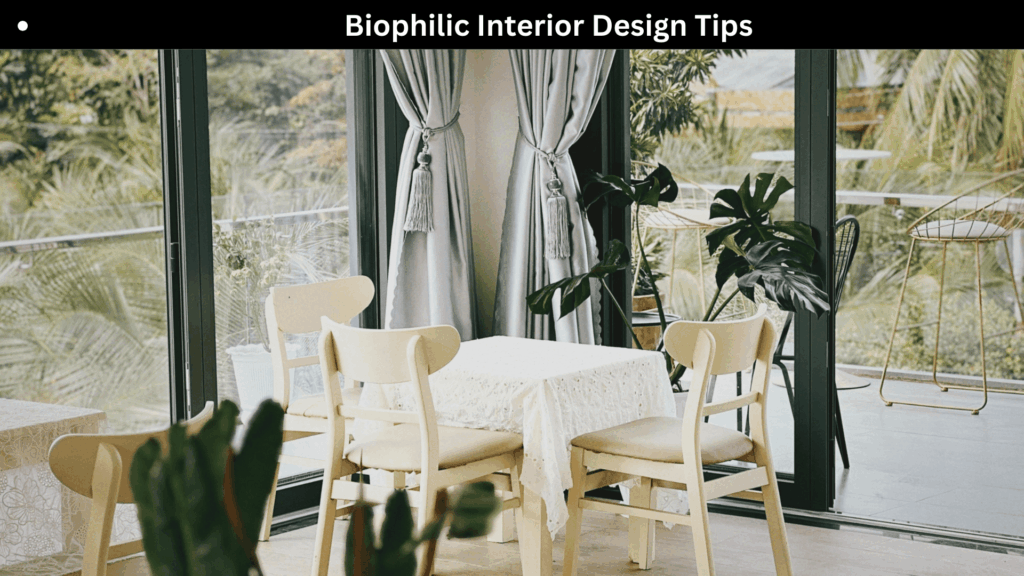
Biophilic design is based on the idea that humans have an innate connection to nature. This concept was popularized by biologist Edward O. Wilson, who introduced the “biophilia hypothesis.” He suggested that people are genetically wired to seek connections with the natural world.
Modern research from institutions like Harvard University supports this idea. Studies show that exposure to natural light, plants, and organic textures can lower stress levels, improve mood, and even boost creativity.
Historically, architects like Frank Lloyd Wright incorporated organic architecture into their designs, blending structures seamlessly with their surroundings. Today, this philosophy continues to influence sustainable interior trends worldwide.
Key Principles That Shape Nature-Centered Interiors
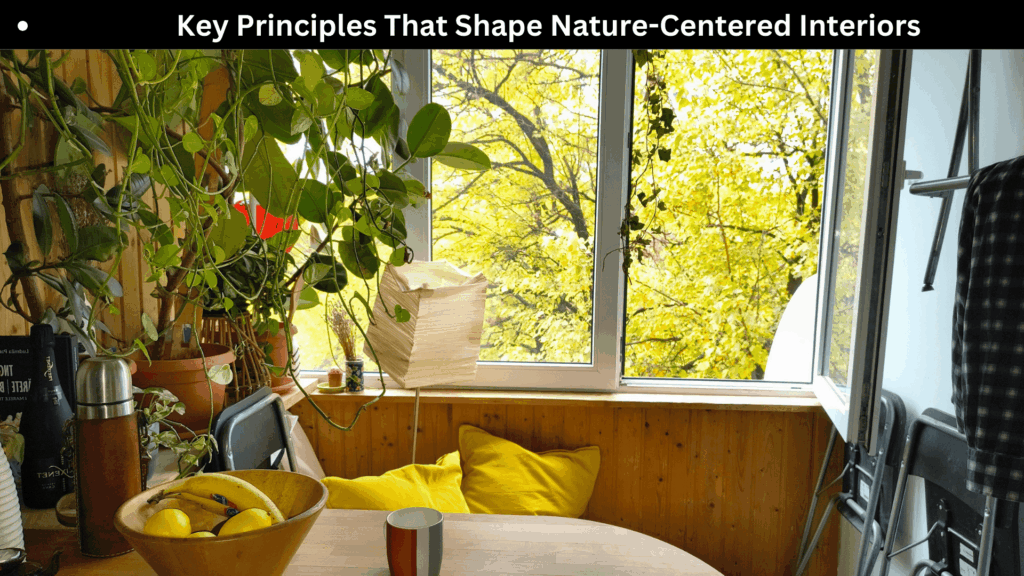
At its heart, biophilic design includes:
- Natural light and ventilation
- Indoor greenery
- Organic materials
- Earth-inspired color palettes
- Water features
- Sensory engagement
Direct experiences of nature include sunlight, plants, and water. Indirect experiences involve natural patterns, textures, and colors that mimic outdoor environments.
Sensory design is equally important. Think of the gentle trickle of a fountain, the scent of eucalyptus, or the feel of raw wood beneath your fingertips. These elements stimulate the senses and create emotional comfort.
Biophilic Interior Design Tips for Small Apartments
Living in a compact space? No problem.
Here are practical Biophilic Interior Design Tips for smaller homes:
- Use vertical wall planters.
- Install mirrors to reflect natural light.
- Choose multipurpose wooden furniture.
- Add hanging plants near windows.
Low-maintenance indoor plants like snake plants, pothos, and peace lilies are excellent choices. They improve air quality and require minimal care.
Even a small balcony can become a mini garden retreat. Add bamboo screening, terracotta pots, and a foldable chair for a cozy nature nook.
Incorporating Natural Materials and Sustainable Textures
Natural materials create authenticity. Wood, stone, cork, and clay finishes add warmth and tactile interest.
Opt for reclaimed wood tables or bamboo flooring. These materials are durable and eco-friendly. Look for FSC-certified labels to ensure responsible sourcing.
Textiles also matter. Choose organic cotton, linen, or wool in earthy shades. Layer textures to mimic the complexity of outdoor environments.
Maximizing Natural Light and Ventilation
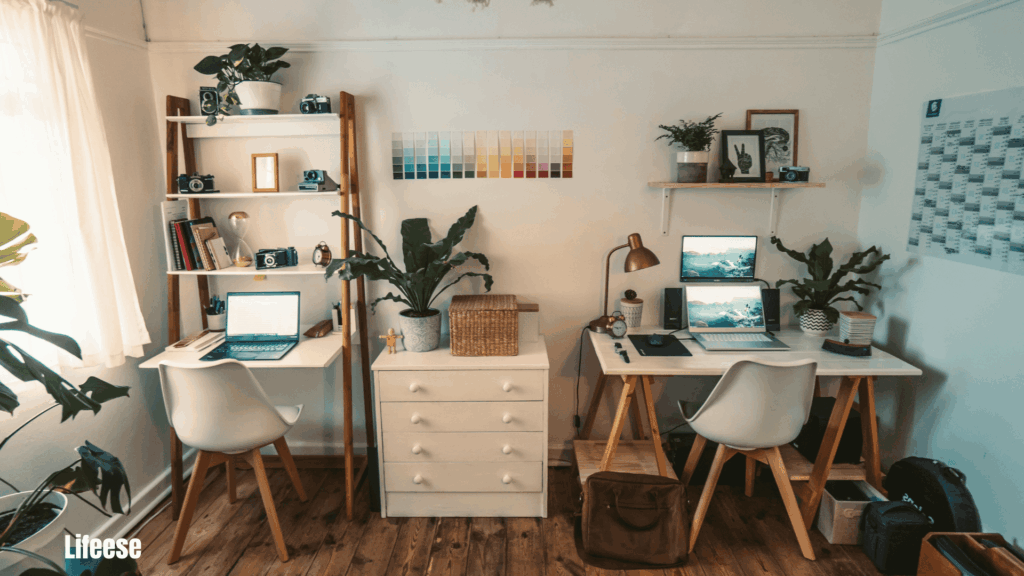
Sunlight is one of the most powerful design tools available. Position mirrors opposite windows to amplify daylight. Use sheer curtains instead of heavy drapes.
Skylights and larger windows, where possible, increase exposure to daylight and regulate circadian rhythms. Warm LED lighting can complement natural light in the evenings.
Fresh air is equally vital. Cross-ventilation improves indoor air quality and keeps spaces feeling vibrant.
Earthy Color Palettes and Organic Patterns
Color shapes emotion. Greens promote calmness. Browns add stability. Soft blues reflect the sky and water.
Botanical wallpapers, leaf-patterned cushions, and fractal-inspired rugs subtly echo natural landscapes.
Avoid harsh neon tones. Instead, blend neutral shades with gentle contrasts to create harmony.
Water Features and Indoor Ecosystems
Water introduces movement and tranquility. A small tabletop fountain can dramatically shift a room’s atmosphere.
Aquariums and terrariums create miniature ecosystems. The gentle sound of flowing water reduces stress and promotes mindfulness.
Just remember—keep maintenance simple to avoid unnecessary hassle.
Creating Multi-Sensory Experiences
A truly biophilic space engages all senses:
- Sound: Nature playlists or water features
- Smell: Essential oils like lavender or cedarwood
- Touch: Textured fabrics and raw materials
- Sight: Indoor gardens and natural light
These layers work together to foster comfort and emotional balance.
Designing Biophilic Workspaces at Home
Productivity increases when nature is nearby. Position desks near windows with outdoor views. Add a small plant on your desk.
Natural materials and ergonomic chairs support both comfort and focus.
Even subtle changes—like a wooden desk lamp—can make a workspace feel less sterile and more inspiring.
Budget-Friendly Nature-Inspired Decorating Ideas
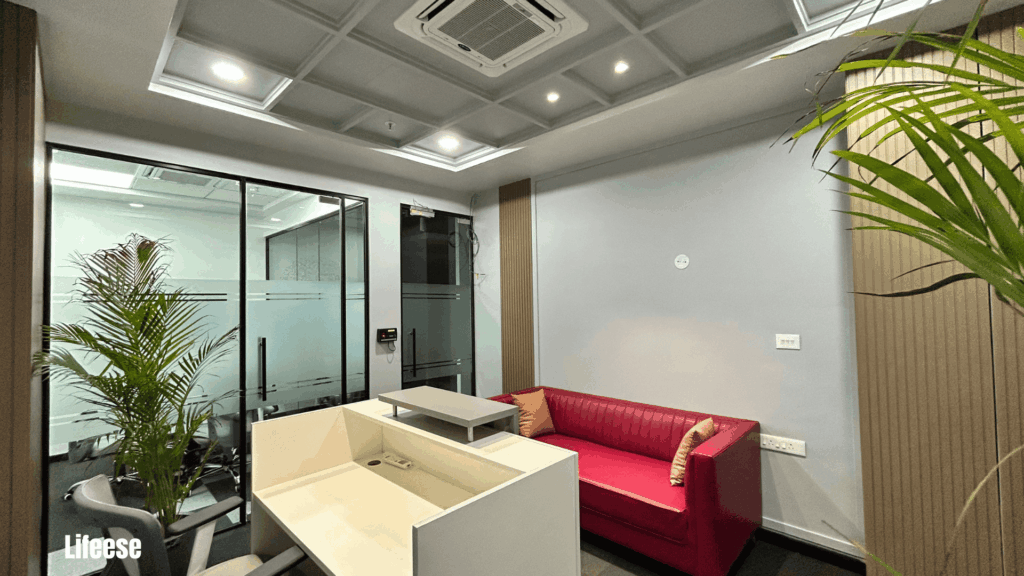
You don’t need a massive budget.
- Repurpose old jars into planters.
- Use driftwood as décor.
- Paint walls in earthy tones.
- Shop second-hand for solid wood furniture.
Small steps still create big impact.
Common Mistakes to Avoid
- Overcrowding with too many plants
- Ignoring lighting conditions
- Choosing synthetic materials over natural ones
- Forgetting maintenance needs
Balance is key. Keep it simple and intentional.
Expert-Backed Benefits of Nature-Inspired Living
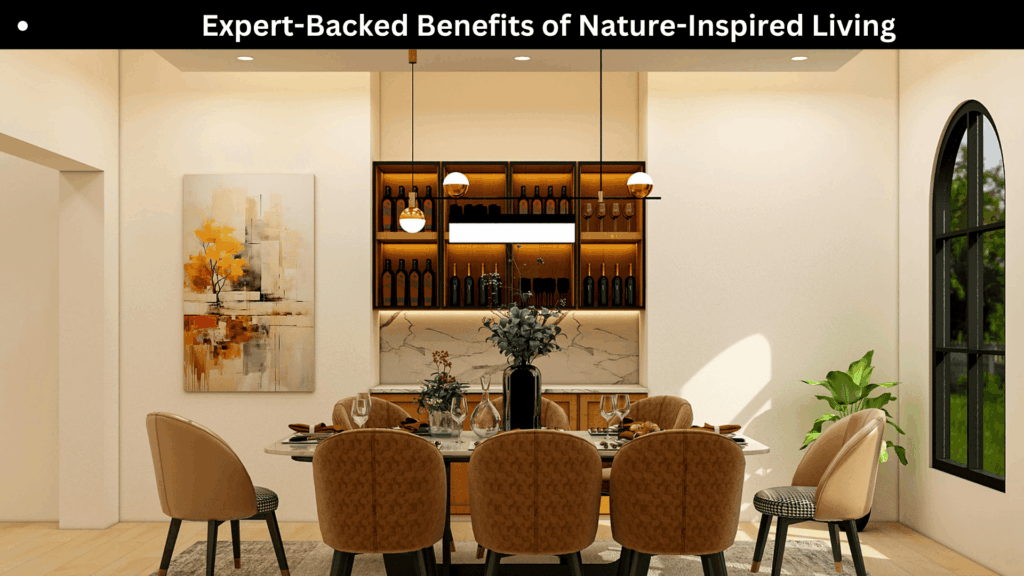
Research from World Health Organization highlights the importance of healthy indoor environments. Improved air quality and stress reduction contribute to overall wellness.
Homes designed with nature in mind often feel more peaceful and restorative. Over time, this can enhance emotional resilience and physical health.
For further reading, visit the U.S. Environmental Protection Agency’s guide on indoor air quality: https://www.epa.gov/indoor-air-quality-iaq
FAQs
What are Biophilic Interior Design Tips?
They are strategies that incorporate natural elements into indoor spaces to improve well-being and sustainability.
Can I use biophilic design in a rented apartment?
Absolutely. Focus on portable plants, natural textiles, and removable décor.
Are indoor plants enough?
Plants help, but combining light, materials, and sensory design creates stronger impact.
Is biophilic design expensive?
Not necessarily. Many elements are budget-friendly and DIY-friendly.
Does it improve mental health?
Studies suggest exposure to natural elements reduces stress and improves mood.
How do I maintain balance?
Avoid overcrowding. Start small and observe what feels calming.
Conclusion
Biophilic Interior Design Tips empower us to reconnect with nature inside our homes. By blending natural light, organic materials, greenery, and sensory elements, we create spaces that nurture both body and mind.
The beauty of this approach lies in its simplicity. Start with one plant. Open a window. Choose wood over plastic. Little by little, your space transforms into a living sanctuary.