Pebble Wall Shower Design: 11 Stunning Ideas That Can Transform Your Bathroom
Pebble Wall Shower Design ideas that elevate comfort, style, and value—discover practical benefits, costs, maintenance tips, and expert insights for modern bathrooms.
Introduction to Pebble Wall Shower Design
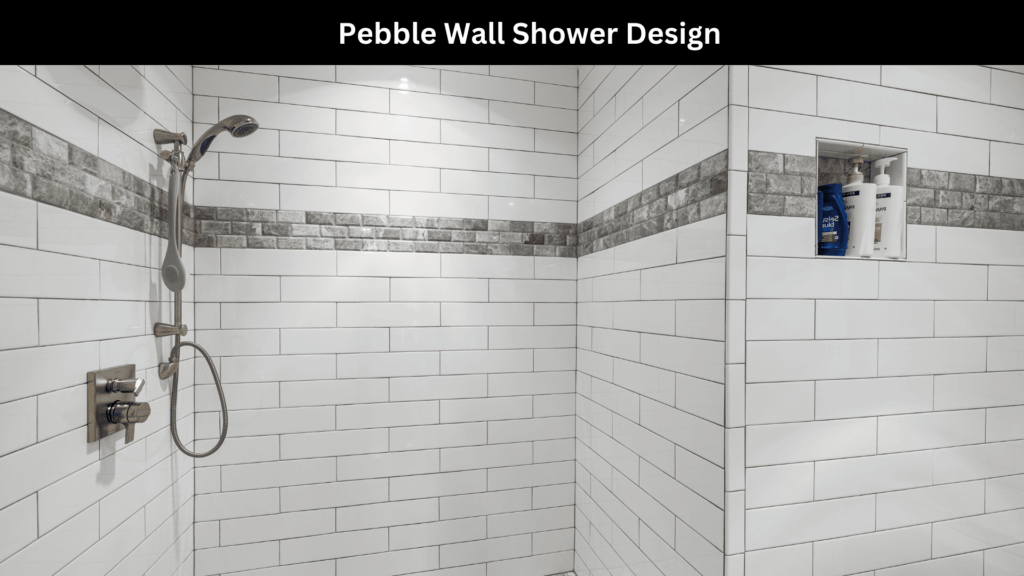
Pebble wall shower design has become one of the most eye-catching trends in modern bathroom architecture, blending natural beauty with functional design. At first glance, pebble-covered shower walls feel earthy, calming, and refreshingly different from smooth ceramic tiles. They bring the outdoors inside, creating a spa-like environment that turns an everyday shower into a relaxing ritual.
What makes pebble walls so appealing is their organic texture. Unlike flat tiles, pebbles vary in shape, size, and color, which adds depth and visual interest. This variation helps bathrooms feel warmer and more inviting, especially in homes where minimalist or neutral interiors dominate. Many homeowners choose this style to break away from sterile designs and introduce a sense of nature and balance.
From a practical point of view, pebble walls are not just about looks. When installed correctly, they are durable, water-resistant, and surprisingly comfortable. The slightly uneven surface allows water to flow naturally, reducing pooling and helping maintain cleanliness. With proper sealing, these natural stones can last for many years without losing their charm.
Interior designers often recommend pebble wall shower design for people who want something timeless yet distinctive. It works well in both luxury homes and modest renovations, adapting easily to different layouts and color schemes. Whether paired with glass enclosures, wooden accents, or matte black fixtures, pebble walls offer flexibility that few other materials can match.
In short, this design choice is more than a trend—it’s a thoughtful blend of nature, comfort, and durability that continues to gain popularity worldwide.
What Pebble Walls Are and Why They’re Trending
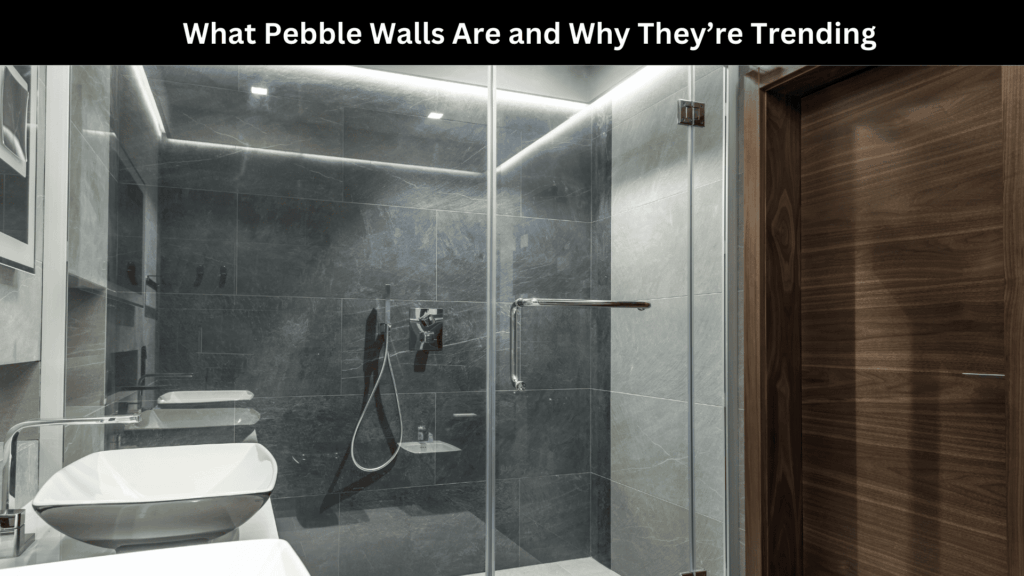
Pebble walls are created using small, naturally rounded stones that are usually mounted on mesh sheets for easier installation. These stones are sourced from rivers, beaches, or quarries and then cleaned, sorted, and sometimes polished. Their natural shapes remain mostly intact, which is why no two pebble walls ever look exactly the same.
One reason pebble walls are trending is the growing interest in biophilic design. This design philosophy focuses on connecting indoor spaces with nature to improve well-being. Bathrooms, once seen as purely functional, are now designed as personal retreats. Pebble walls fit perfectly into this idea by offering a tactile, visual reminder of the natural world.
Social media and home improvement shows have also played a role. Spa-style bathrooms featuring pebble showers often appear in design magazines and renovation programs. Viewers associate these designs with relaxation, luxury, and mindful living. As a result, homeowners are more willing to invest in materials that enhance comfort rather than just appearance.
Another factor behind the trend is versatility. Pebble walls come in neutral earth tones, soft whites, deep greys, and even mixed palettes. This allows designers to match them with almost any bathroom style. From tropical themes to sleek modern spaces, pebble walls adapt without overpowering the room.
Ultimately, pebble walls are trending because they feel authentic. In a world full of manufactured surfaces, natural stone offers something real, grounding, and emotionally satisfying.
Natural Stone Aesthetics in Modern Bathrooms
Modern bathroom design often balances clean lines with warm textures, and natural stone plays a key role in achieving this harmony. Pebbles introduce irregular patterns that soften sharp edges and glossy surfaces. This contrast makes bathrooms feel less rigid and more welcoming.
Natural stone also reacts beautifully to light. When water flows over pebbles, it creates subtle reflections and shadows that change throughout the day. This dynamic quality adds life to the space, making even small bathrooms feel more engaging. Designers frequently use soft, warm lighting to highlight these textures and enhance the overall mood.
Another advantage of natural stone aesthetics is their timeless appeal. While tile trends come and go, stone has been used in bathing spaces for centuries. Ancient bathhouses, hot springs, and traditional spas all relied on stone for both durability and beauty. Pebble walls carry this heritage into contemporary homes.
From an emotional perspective, stone surfaces can promote calmness. Many people associate pebbles with rivers, beaches, and peaceful landscapes. Incorporating these elements into a bathroom supports relaxation and stress relief—something most people appreciate at the start or end of a busy day.
Because of these qualities, pebble wall shower design continues to stand out as a smart and meaningful choice in modern interior design.
Visual Texture, Earthy Tones, and Organic Appeal
Texture is one of the most powerful design tools, and pebble walls use it to full effect. The uneven surface creates depth that flat tiles simply cannot replicate. This visual richness makes showers feel more immersive and luxurious, even without expensive fixtures.
Earthy tones such as beige, grey, brown, and charcoal dominate pebble designs. These colors work well with natural wood, concrete, and neutral ceramics. They also age gracefully, meaning the bathroom will still look stylish years after installation.
The organic appeal of pebbles lies in their imperfections. Slight differences in shape and shade remind us that these stones come from nature, not a factory. This authenticity resonates with homeowners who value craftsmanship and natural materials.
Designers often recommend balancing pebble walls with simpler elements. Smooth countertops, clear glass, and minimal décor allow the pebbles to become the focal point without overwhelming the space.
How Nature-Inspired Design Enhances Daily Routines
Bathrooms are deeply personal spaces, and their design can influence mood and energy levels. Nature-inspired elements like pebble walls help create a calming atmosphere that supports mental well-being. Starting the day in a peaceful environment can set a positive tone, while ending it in a soothing space encourages relaxation.
Studies in environmental psychology suggest that natural textures reduce stress and improve focus. While a shower may seem like a small part of the day, its impact on comfort and mindset is significant. Pebble walls engage the senses through sight and touch, making the experience more mindful.
This connection to nature is one reason many luxury spas and wellness centers use stone surfaces extensively. By bringing similar design principles into the home, pebble wall shower design transforms routine hygiene into a restorative habit.
History and Evolution of Pebble Shower Walls
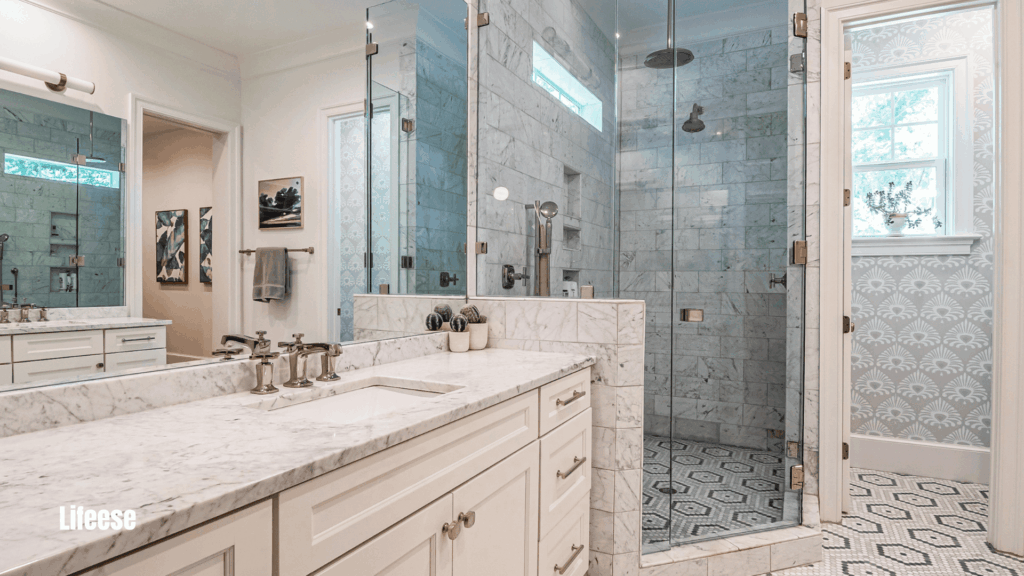
The use of stone in bathing spaces dates back thousands of years. Ancient civilizations such as the Romans, Greeks, and Japanese relied heavily on natural stone to build bathhouses, hot springs, and communal washing areas. These early designs were not only functional but also deeply connected to relaxation, healing, and social interaction. Pebbles, in particular, were commonly found in riverbeds and coastal regions, making them an accessible and durable material for wet environments.
Over time, bathing moved from public spaces into private homes. As technology advanced, smoother and more uniform materials like ceramic tiles became popular because they were easier to manufacture and install. However, this shift also led to bathrooms that felt cold and purely utilitarian. The emotional and sensory connection to nature slowly faded from everyday bathing routines.
In recent decades, designers and homeowners have started to revisit traditional materials. The global wellness movement and renewed interest in mindfulness played a major role in this change. People began to see bathrooms not just as functional rooms, but as personal sanctuaries. This mindset brought natural materials back into focus, including stone, wood, and clay.
Pebble shower walls emerged as a modern reinterpretation of ancient bathing traditions. Instead of loose stones, manufacturers developed mesh-backed pebble sheets, making installation more practical for contemporary homes. This innovation allowed the organic look of traditional stone baths to fit seamlessly into modern construction standards.
Today, pebble walls represent a balance between old and new. They honor centuries-old design wisdom while meeting modern expectations for durability, hygiene, and style. Their continued popularity shows that natural materials still hold strong emotional and aesthetic value in interior design.
Types of Pebbles Used in Shower Wall Designs
Not all pebbles are the same, and choosing the right type is essential for both appearance and performance. Pebbles used in shower walls are carefully selected for hardness, water resistance, and visual appeal. Understanding these options helps homeowners make informed decisions that suit their design goals and lifestyle.
River Pebbles vs. Sea Pebbles
River pebbles are among the most common choices for shower walls. They are shaped naturally by flowing water, resulting in smooth, rounded edges. This makes them comfortable to touch and visually soft. River pebbles often come in neutral shades such as grey, beige, and brown, making them easy to match with various bathroom styles.
Sea pebbles, on the other hand, are shaped by ocean waves and saltwater. They tend to have a slightly more polished appearance and may include lighter tones like white or soft blue-grey. While visually striking, sea pebbles usually require extra sealing due to salt exposure during their natural formation.
Polished, Honed, and Natural Finishes
Pebbles can be finished in different ways to achieve specific looks. Polished pebbles have a glossy surface that reflects light beautifully, adding elegance to the shower space. Honed pebbles offer a matte finish, which feels more subtle and natural. Fully natural pebbles retain their raw texture, emphasizing an organic, earthy aesthetic.
Color Variations and Stone Sizes
Pebble sheets are available in single-color palettes or mixed blends. Uniform colors create a calm, cohesive look, while mixed tones add visual interest. Stone size also matters—smaller pebbles provide a smoother overall surface, while larger stones create bold texture and contrast.
Design Styles That Pair Well with Pebble Shower Walls
Pebble walls are remarkably versatile and can complement a wide range of design styles. Their adaptability is one of the reasons designers often recommend them for both renovations and new builds.
Rustic, Tropical, and Zen-Inspired Bathrooms
Rustic bathrooms benefit greatly from pebble textures, especially when combined with wood, bronze fixtures, and warm lighting. Tropical designs often use pebbles alongside greenery and rainfall showers to create a resort-like atmosphere. Zen-inspired spaces focus on simplicity and balance, making natural stone an ideal focal point.
Minimalist and Contemporary Pairings
In modern bathrooms, pebble walls are often used as accent features rather than covering every surface. Paired with glass panels, floating vanities, and neutral tiles, they add warmth without clutter. The contrast between smooth and textured surfaces enhances visual depth while maintaining a clean aesthetic.
Functional Benefits of Pebble Wall Shower Design
Beyond aesthetics, pebble walls offer practical advantages that make them suitable for daily use. When installed and sealed correctly, they perform exceptionally well in wet environments.
Durability and Water Resistance
Natural stone is inherently strong and long-lasting. Pebbles resist cracking and wear, even with frequent exposure to water. Proper sealing prevents moisture absorption and protects against staining, ensuring the wall remains beautiful over time.
Slip Resistance and Practical Comfort
Although more commonly discussed for flooring, the texture of pebble walls also improves grip and reduces water streaking. The uneven surface allows water to flow naturally, minimizing buildup and helping maintain cleanliness.
Installation Process Explained
Installing pebble walls requires careful preparation. The surface must be properly waterproofed before stones are applied. Most pebbles come pre-mounted on mesh sheets, which simplifies alignment and spacing.
Professional installation is often recommended, especially for shower walls, as improper sealing or drainage can lead to long-term issues. However, experienced DIY enthusiasts can achieve good results with patience and the right materials.
Maintenance and Cleaning Best Practices
Maintaining pebble walls is straightforward but essential. Regular rinsing after showers helps reduce soap residue. Mild, stone-safe cleaners should be used to avoid damaging the sealant.
Resealing every one to two years is typically recommended, depending on usage. This simple step preserves color, prevents moisture absorption, and extends the lifespan of the stone.
Cost Considerations and Budget Planning
Costs vary based on stone type, finish, and installation method. While pebble materials may cost more than standard tiles, their durability and timeless appeal often justify the investment. Over time, they can increase property value by enhancing bathroom aesthetics.
Sustainability and Eco-Friendly Aspects
Pebbles are a natural material with minimal processing requirements. When ethically sourced, they offer an environmentally responsible alternative to synthetic tiles. Their longevity also reduces the need for frequent replacements, supporting sustainable design principles.
Common Design Mistakes to Avoid
Overusing pebbles on every surface can overwhelm the space. Poor sealing and inadequate drainage are also common errors. Thoughtful planning and professional guidance help avoid these issues.
Pebble Wall Shower Design for Small vs. Large Bathrooms
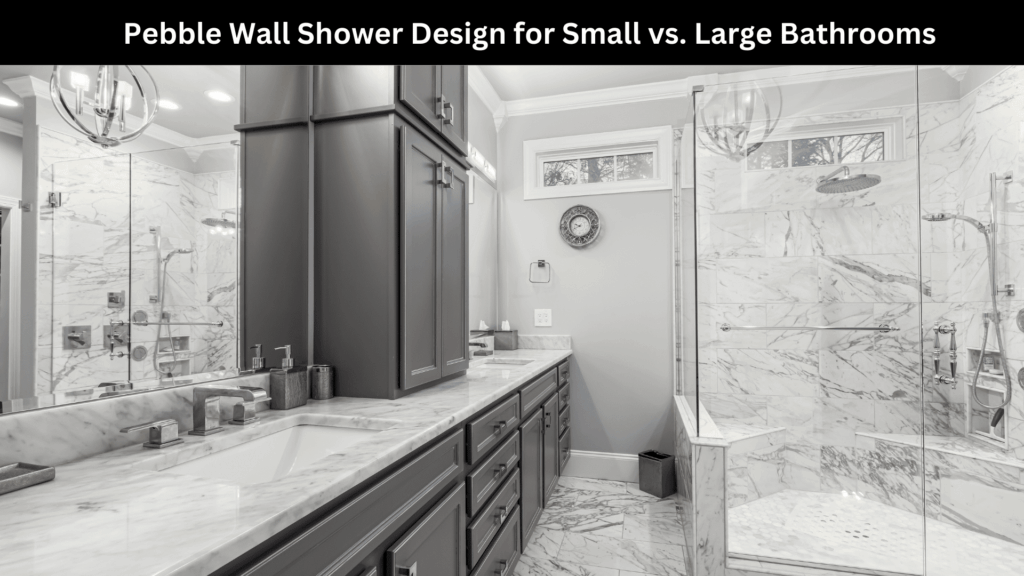
In small bathrooms, pebble walls work best as accent features to avoid visual clutter. In larger spaces, they can be used more generously, especially when balanced with neutral elements and proper lighting.
FAQs
Are pebble shower walls hard to clean?
No, regular rinsing and gentle cleaners make maintenance easy.
Do pebble walls feel rough?
Most pebbles are smooth and comfortable to touch.
Is sealing really necessary?
Yes, sealing protects against moisture and stains.
Can pebble walls crack over time?
Cracking is rare when installed correctly.
Do they work in modern bathrooms?
Absolutely, especially as accent features.
Are pebble walls expensive to maintain?
Maintenance costs are minimal compared to their lifespan.
Conclusion
Choosing pebble walls is about more than following a trend—it’s about creating a bathroom that feels calm, natural, and enduring. With proper installation and care, this design choice offers beauty, comfort, and long-term value. For homeowners seeking a balance between nature and modern living, pebble wall shower design remains a thoughtful and rewarding option.