Monochrome Kitchen Design: A Powerful & Timeless Style That Transforms 7 Modern Homes
Monochrome Kitchen Design explained in detail—discover powerful ideas, layouts, materials, lighting tips, and expert insights to create a timeless, elegant kitchen that truly lasts.
Monochrome Kitchen Design has become one of the most admired approaches in modern interior design, and honestly, it’s easy to see why. By focusing on a single color family and its shades, this design style creates kitchens that feel calm, refined, and intentionally crafted. In the first moments you step into such a space, there’s a sense of balance and clarity that instantly puts you at ease. Rather than shouting for attention, a monochrome kitchen quietly impresses with confidence and elegance.
At its core, this design approach isn’t about limiting creativity. Instead, it challenges homeowners and designers to think deeper about texture, lighting, form, and proportion. When color steps back, craftsmanship steps forward. Cabinets, countertops, and even appliances become part of a unified visual story, making the kitchen feel cohesive and thoughtfully designed. That’s exactly why this style works equally well in compact apartments and expansive luxury homes.
Another reason for its growing popularity is longevity. Trends come and go, but monochrome kitchens age gracefully. Whether you choose black, white, grey, or soft neutral tones, the result is a space that feels modern today and still relevant years down the road. This makes it a practical investment as well as a beautiful one. Designers with years of hands-on experience often recommend monochrome palettes to clients who want a kitchen that won’t feel outdated too quickly.
In this in-depth guide, you’ll explore everything from color selection and materials to lighting strategies and common mistakes. Each section draws on real-world design principles and practical knowledge to help you understand how to create a kitchen that’s both stunning and functional. So, let’s roll up our sleeves and dive into the world of monochrome kitchen elegance—where simplicity truly shines.
Understanding Monochrome Kitchen Design Concepts
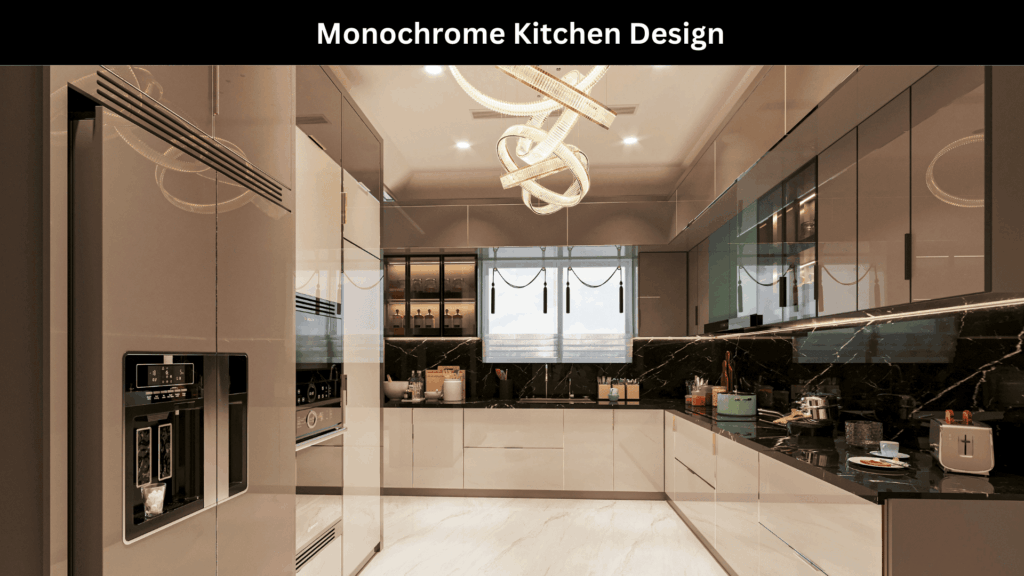
A monochrome kitchen is built around one dominant color, but that doesn’t mean it’s flat or boring. In fact, the beauty lies in the subtle variations of shade, tone, and texture within that single color family. From light to dark, matte to glossy, smooth to textured, these differences create depth and visual interest without introducing multiple colors.
What Defines a Monochrome Kitchen
At a basic level, a monochrome kitchen uses one primary hue across cabinets, walls, and major surfaces. Designers then layer that hue in different intensities to prevent monotony. For example, a white kitchen might include crisp white cabinets, soft off-white walls, and lightly veined white marble countertops. Even though the color remains consistent, the space feels rich and dynamic.
The Psychology of Single-Color Interiors
From a psychological standpoint, monochrome spaces feel organized and calming. Our brains don’t have to process multiple competing colors, which creates a sense of order. This is especially valuable in kitchens, where activity levels are high. A visually calm environment can make cooking, cleaning, and gathering feel less stressful and more enjoyable.
Why Minimal Color Palettes Feel Luxurious
Luxury isn’t always about excess. In many high-end homes and designer kitchens, restraint is what creates impact. By limiting the color palette, attention naturally shifts to quality materials, precise detailing, and thoughtful lighting. This is why many premium hotels and designer residences rely heavily on monochrome interiors—they feel intentional, polished, and quietly expensive.
The Evolution of Monochrome Kitchens in Interior Design
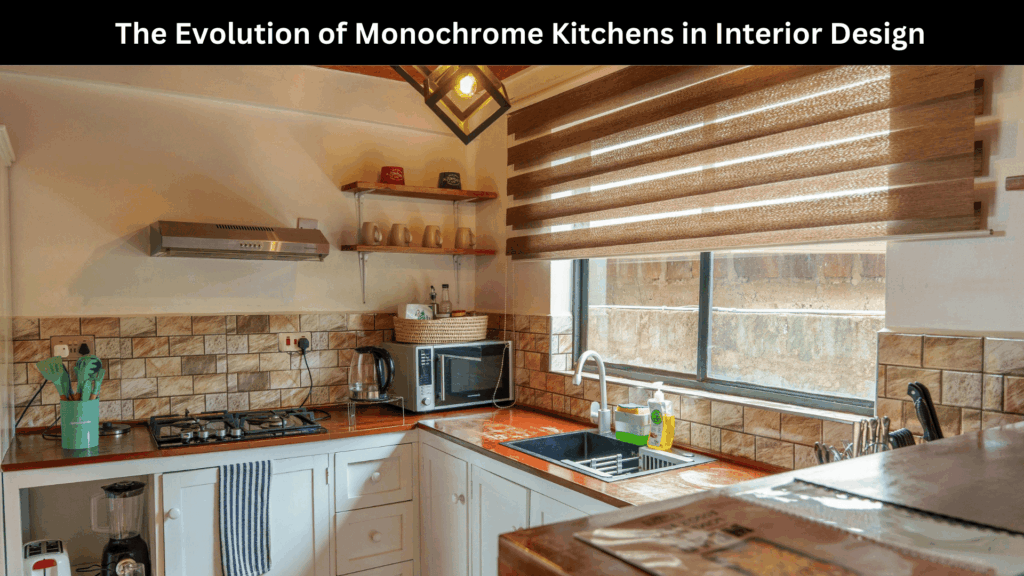
Monochrome kitchens didn’t appear overnight. Their roots can be traced back to classic black-and-white interiors, which symbolized elegance and formality. Over time, designers began experimenting with softer neutrals and modern materials, expanding the concept beyond stark contrasts.
From Classic Black-and-White to Contemporary Neutrals
Early monochrome kitchens often relied on sharp black-and-white contrasts. Today, the approach is far more nuanced. Greys, beiges, taupes, and even muted earth tones have entered the scene. These softer palettes feel warmer and more inviting while maintaining the same cohesive look.
Influence of Scandinavian and Modern Design
Scandinavian design played a major role in popularizing monochrome kitchens. With its emphasis on simplicity, functionality, and light, it proved that limited color doesn’t mean limited warmth. Modern design movements followed suit, using monochrome schemes to highlight clean lines, handle-less cabinetry, and open layouts.
Choosing the Right Color Palette for a Monochrome Kitchen
Selecting the right color is the most critical decision in Monochrome Kitchen Design. The choice sets the mood for the entire space and influences how large, bright, or cozy the kitchen feels.
Black Monochrome Kitchens: Bold and Sophisticated
Black kitchens make a strong statement. When done right, they feel dramatic, modern, and incredibly sleek. The key is balancing black surfaces with proper lighting and reflective finishes to prevent the space from feeling too dark or heavy.
White Monochrome Kitchens: Clean and Timeless
White monochrome kitchens are timeless for a reason. They reflect light, make spaces feel larger, and pair beautifully with almost any material. Subtle variations—like creamy whites and crisp whites—add depth without breaking the theme.
Grey and Neutral Monochrome Variations
Grey offers the perfect middle ground. It’s neutral, versatile, and forgiving. Neutral monochrome kitchens often feel more lived-in and warm, making them ideal for family homes.
Warm vs Cool Undertones in Kitchen Spaces
Understanding undertones is crucial. Warm greys and beiges create a cozy atmosphere, while cool greys and whites feel crisp and modern. Matching undertones across surfaces ensures harmony throughout the kitchen.
Materials and Finishes in Monochrome Kitchen Design

Once the color direction is set, materials and finishes take center stage. In a monochrome kitchen, materials do the heavy lifting. They introduce depth, contrast, and tactile interest without relying on additional colors. This is where experience truly matters, because poor material choices can make even the best color palette feel flat.
Cabinets, Countertops, and Backsplashes
Cabinetry forms the visual backbone of the kitchen. In monochrome schemes, flat-panel cabinets are often favored for their clean lines and modern appeal. However, shaker-style cabinets also work beautifully, especially in transitional homes, as long as the detailing is subtle.
Countertops should complement rather than compete. Quartz, granite, marble, and solid surfaces are popular choices because they offer durability along with refined aesthetics. For example, a grey monochrome kitchen might pair matte grey cabinets with lightly veined grey quartz countertops, creating gentle movement across surfaces.
Backsplashes are an opportunity to add character. Subway tiles, slab backsplashes, or textured tiles in the same color family help break up large surfaces without disrupting harmony.
Matte vs Glossy Finishes
Finish selection dramatically affects how light behaves in the kitchen. Matte finishes absorb light and create a soft, understated look. Glossy finishes, on the other hand, reflect light and add brightness—especially useful in smaller kitchens.
Many designers combine both. For instance, matte cabinets paired with glossy backsplash tiles create contrast that feels intentional and layered rather than overwhelming.
Using Texture to Avoid Visual Flatness
Texture is the secret weapon of Monochrome Kitchen Design. Ribbed cabinet fronts, stone with natural veining, brushed metals, and subtle wood grains introduce dimension. Even when everything shares the same color, these textures ensure the space feels alive and engaging.
Lighting Strategies for Monochrome Kitchens
Lighting can make or break a monochrome kitchen. Because color variation is limited, lighting must be carefully planned to highlight surfaces, create depth, and maintain warmth.
Natural Light Optimization
Natural light enhances monochrome spaces beautifully. Large windows, skylights, or glass doors help soften the look and prevent darker palettes from feeling enclosed. Light-colored monochrome kitchens benefit even more, appearing airy and expansive throughout the day.
Artificial Lighting Layers
A well-designed kitchen includes layered lighting. Ambient lighting provides overall illumination, task lighting supports cooking and prep work, and accent lighting adds drama. Recessed ceiling lights, under-cabinet LEDs, and pendant lights work together to ensure functionality and atmosphere.
Accent Lighting for Depth and Contrast
Accent lighting is especially important in monochrome kitchens. LED strips under shelves or inside cabinets highlight textures and create shadows that add depth. Even subtle lighting choices can transform the kitchen from simple to stunning.
Appliances and Hardware in a Monochrome Kitchen
Appliances and hardware may seem minor, but in a single-tone kitchen, they stand out more than you’d expect.
Integrated and Built-In Appliances
Integrated appliances blend seamlessly with cabinetry, maintaining the monochrome flow. Panel-ready refrigerators and dishwashers are popular choices in modern kitchens where visual continuity is key.
Handles, Faucets, and Metal Accents
Hardware finishes should complement the chosen palette. Black kitchens often pair well with matte black or brushed brass hardware. White kitchens may feature chrome, stainless steel, or soft gold accents. The goal is subtle contrast—not distraction.
Layout Planning for Monochrome Kitchens
A beautiful kitchen still needs to function effortlessly. Layout planning ensures that style never compromises usability.
Open-Plan vs Compact Kitchen Layouts
Monochrome designs shine in open-plan kitchens, where the cohesive color palette connects the kitchen to adjacent living spaces. In compact kitchens, a single-color scheme reduces visual clutter and makes the space feel larger.
Workflow and Ergonomics
The classic work triangle—sink, stove, refrigerator—still applies. Experienced designers know that even the most elegant kitchen fails if movement feels awkward. Thoughtful spacing and storage placement are essential.
Storage Solutions in Monochrome Kitchen Design
Storage should feel invisible yet abundant.
Hidden Storage and Handle-Less Cabinets
Handle-less cabinets and push-to-open systems enhance the clean look of monochrome kitchens. Hidden pantries and pull-out storage keep surfaces clutter-free.
Open Shelving in a Single-Tone Kitchen
Open shelving can work beautifully when styled carefully. Matching shelves to wall color maintains cohesion, while minimal decor adds personality without overwhelming the space.
Flooring Options for Monochrome Kitchens
Flooring anchors the entire design.
Tiles, Wood, and Polished Concrete
Large-format tiles create a seamless look, while wood floors add warmth. Polished concrete suits modern homes and enhances the minimalist appeal of monochrome kitchens.
Coordinating Floor Color with Cabinetry
Floors should either match closely or contrast subtly. Extreme contrast can break the harmony, so balance is key.
Adding Contrast Without Breaking the Monochrome Theme
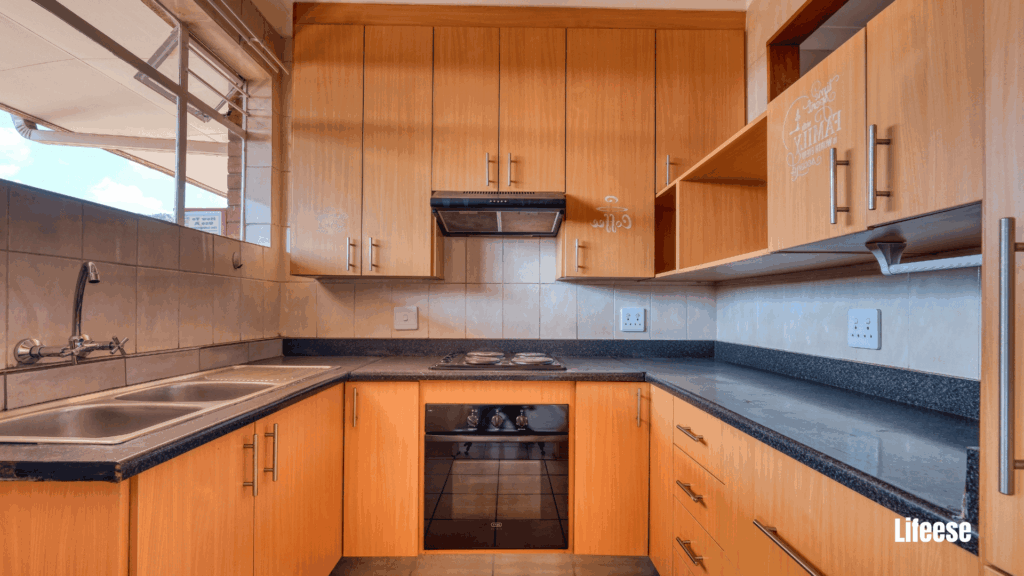
Contrast doesn’t always mean color.
Patterns, Lines, and Subtle Variations
Geometric patterns, linear textures, and tonal variations add interest while staying within the monochrome palette.
Using Natural Elements Like Wood and Stone
Natural materials introduce warmth and authenticity. Even small wooden accents can soften a sleek monochrome kitchen.
Common Mistakes to Avoid in Monochrome Kitchen Design
Overuse of a Single Shade
Using one exact shade everywhere can feel flat. Always layer tones.
Ignoring Lighting and Texture
Without proper lighting and texture, monochrome kitchens lose their charm.
Maintenance and Longevity of Monochrome Kitchens
Cleaning and Wear Considerations
Matte finishes hide fingerprints better, while glossy surfaces require frequent cleaning. Choose materials that suit your lifestyle.
Long-Term Style Relevance
Monochrome kitchens age gracefully, making them a smart long-term choice.
Cost Considerations and Budget Planning
High-End vs Budget-Friendly Monochrome Kitchens
You don’t need luxury materials everywhere. Strategic spending on key surfaces delivers impact without overshooting the budget.
Sustainability and Eco-Friendly Choices
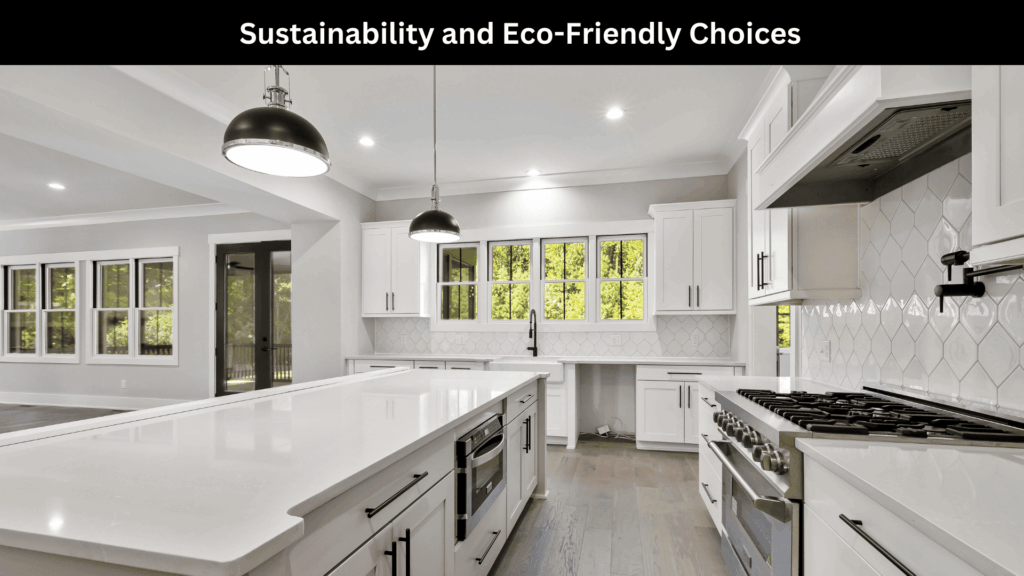
Sustainable Materials and Energy-Efficient Appliances
Eco-conscious choices align naturally with the minimalist philosophy of monochrome design. For guidance on sustainable kitchen materials, resources like the U.S. Green Building Council offer valuable insights.
FAQs
Is a monochrome kitchen suitable for small spaces?
Yes, it often makes small kitchens feel larger and more cohesive.
Does monochrome design feel cold or boring?
Not when texture, lighting, and materials are layered thoughtfully.
Which lighting works best in monochrome kitchens?
Layered lighting with warm tones works best.
Are monochrome kitchens hard to maintain?
Maintenance depends on materials, not color alone.
Can monochrome kitchens increase home value?
Yes, due to their timeless appeal.
How do I add personality to a monochrome kitchen?
Use textures, natural materials, and subtle accents.
Conclusion
Monochrome Kitchen Design proves that simplicity can be powerful. By focusing on one color family and refining every detail, homeowners create kitchens that feel calm, elegant, and enduring. This approach rewards thoughtful planning and quality materials, delivering spaces that remain stylish long after trends fade. When done right, a monochrome kitchen isn’t just a design choice—it’s a lasting investment in beauty, function, and everyday comfort.