Modern Ceiling Light Fixtures: Powerful Ideas for Stylish, Smart Homes in 2025
Modern ceiling light fixtures are transforming homes with energy-efficient design, smart technology, and timeless style. Discover expert insights, types, and buying tips.
Lighting does more than brighten a room—it shapes how a space feels, functions, and flows. In today’s homes, modern ceiling light fixtures have become a defining design element, blending beauty with performance in ways older lighting styles simply can’t match. From sleek LEDs to artistic chandeliers, modern fixtures bring clarity, comfort, and character into everyday living.
In the first moments you step into a home, ceiling lighting sets the tone. It quietly signals whether a space feels warm or cold, calm or energetic, ordinary or exceptional. That’s why homeowners, designers, and architects increasingly rely on modern ceiling lighting to create interiors that feel both stylish and smart.
Let’s explore this topic with real-world insight, practical guidance, and expert clarity—so you can choose lighting with confidence and purpose.
Understanding Modern Ceiling Light Fixtures
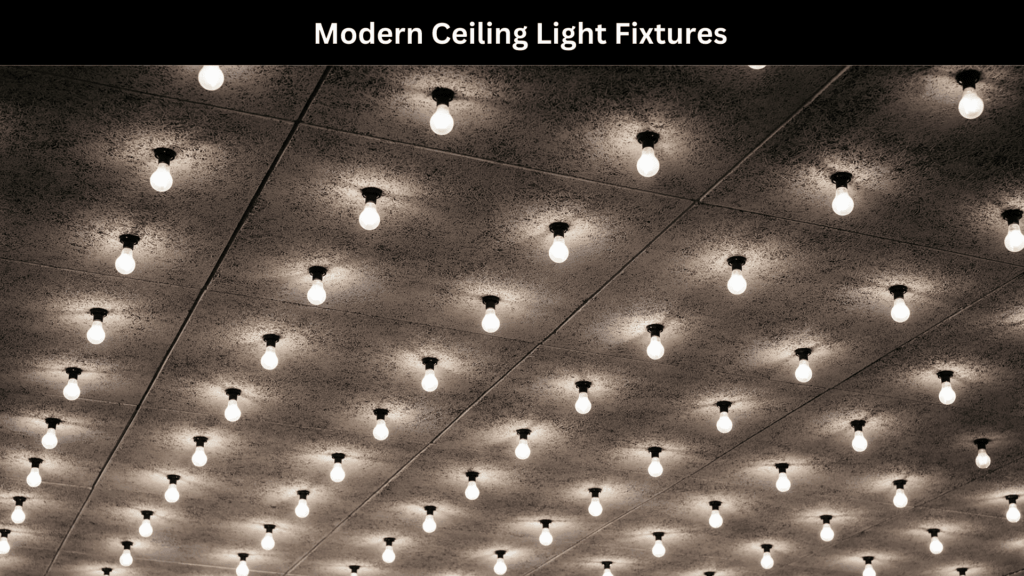
Modern ceiling lighting is defined by simplicity, innovation, and intentional design. Unlike traditional fixtures that often focus on ornamentation, modern designs emphasize clean lines, efficient light distribution, and purposeful form.
These fixtures are typically mounted directly to the ceiling and designed to complement contemporary interiors. They don’t shout for attention—but they don’t disappear either. Instead, they strike a balance between subtle elegance and visual interest.
What Makes a Ceiling Light “Modern”?
A ceiling light is considered modern when it reflects current design values. These include minimal detailing, geometric shapes, neutral or bold solid finishes, and advanced lighting technology. Modern fixtures often feature integrated LEDs, slim profiles, and symmetrical forms.
Another key factor is functionality. Modern lighting is designed to solve problems—poor visibility, high energy use, or outdated aesthetics—while still looking refined.
Evolution from Traditional to Contemporary Lighting
Traditional ceiling lights relied heavily on incandescent bulbs and decorative elements. Over time, rising energy costs and changing lifestyles pushed lighting design toward efficiency and adaptability.
Modern lighting emerged as homes became more open-plan and technology-driven. Today’s fixtures respond to how people actually live—working from home, entertaining guests, and relaxing in multifunctional spaces.
Types of Modern Ceiling Light Fixtures

There is no one-size-fits-all solution in modern lighting. Different rooms and ceiling heights require different fixture types, each serving a distinct purpose.
Flush Mount and Semi-Flush Mount Lights
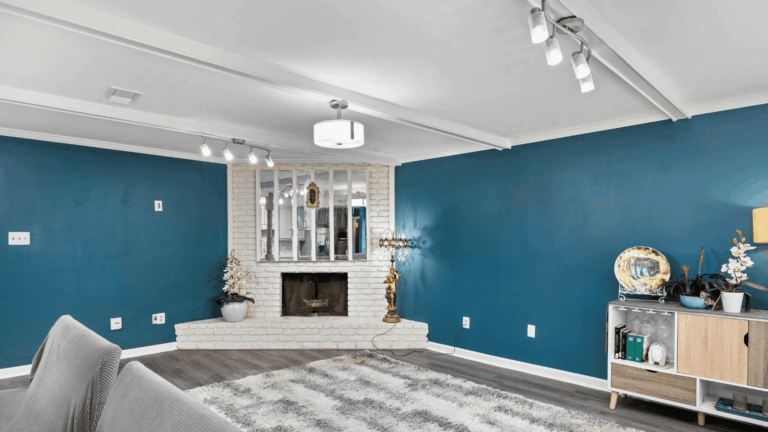
Flush mount lights sit close to the ceiling, making them ideal for rooms with limited height. Semi-flush designs hang slightly lower, adding visual interest while maintaining clearance.
These fixtures are popular because they offer even illumination without clutter, making rooms feel open and organized.
Best Rooms for Flush Mount Lighting
Flush mounts work beautifully in bedrooms, hallways, closets, and kitchens. They provide ample light without overwhelming the space and are easy to maintain—an underrated advantage in busy households.
Chandeliers with a Modern Twist
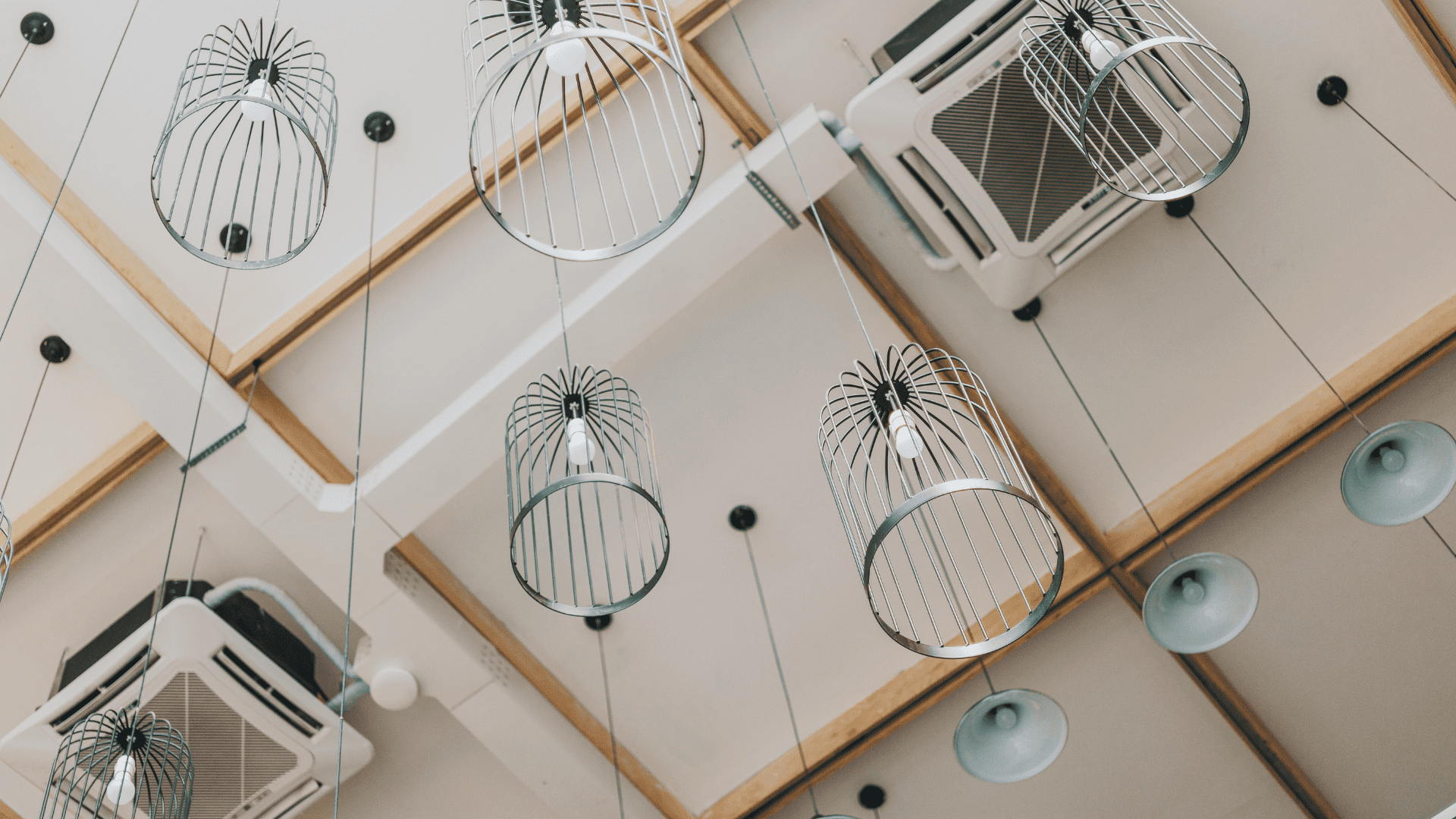
Forget crystal overload. Modern chandeliers feature linear frames, globe bulbs, or sculptural metal arms. They act as functional art pieces while delivering strong ambient lighting.
LED Chandeliers and Energy Efficiency
Many modern chandeliers now use LED technology, offering long life spans and lower energy consumption. According to the U.S. Department of Energy, LED lighting uses at least 75% less energy than traditional bulbs and lasts up to 25 times longer (energy.gov).
Pendant Lighting in Modern Interiors
Pendant lights hang from the ceiling and direct light downward, making them perfect for task-focused areas.
Single vs Multi-Light Pendants
Single pendants work well in reading corners or small dining areas. Multi-light pendants, often arranged in linear or clustered layouts, create dramatic visual impact over larger surfaces.
Kitchen Island and Dining Applications
In kitchens, pendants provide focused illumination for food preparation. Over dining tables, they define the space and enhance atmosphere. Proper spacing and height are essential to avoid glare and shadows.
LED Technology in Modern Ceiling Lighting
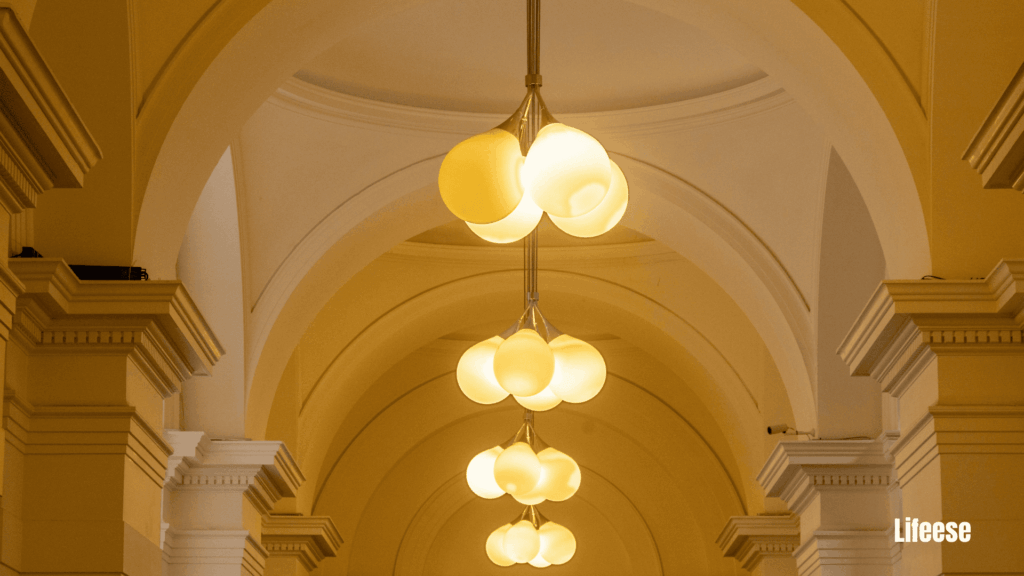
LEDs are the backbone of modern lighting design. They are efficient, durable, and versatile.
Integrated LED Ceiling Fixtures
Integrated LEDs are built directly into the fixture, eliminating the need for bulb replacement. This design allows for slimmer profiles and more creative shapes.
Smart Lighting Controls and Automation
Many modern ceiling lights now integrate with smart home systems. Features like dimming, scheduling, and voice control add convenience while reducing energy waste.
Materials and Finishes in Modern Fixtures
Material choice influences both durability and design harmony.
Metal, Glass, Acrylic, and Wood
Metal offers strength and a clean look. Glass diffuses light softly. Acrylic provides lightweight flexibility. Wood adds warmth and contrast to modern interiors.
Matte Black, Brass, Chrome, and White Finishes
Matte black feels bold and contemporary. Brass adds warmth. Chrome reflects light for a polished look. White blends seamlessly into ceilings for a minimalist effect.
Choosing the Right Ceiling Light for Each Room
Lighting should always match the room’s purpose.
Living Room Lighting Strategies
Layered lighting works best—combine ceiling lights with floor and table lamps to create depth and flexibility.
Bedroom Ceiling Light Ideas
Soft, diffused lighting promotes relaxation. Dimmable ceiling fixtures allow easy transitions from day to night.
Kitchen and Bathroom Considerations
Brightness and safety matter most here. Choose moisture-rated fixtures for bathrooms and high-output lighting for kitchens.
Installation, Safety, and Maintenance
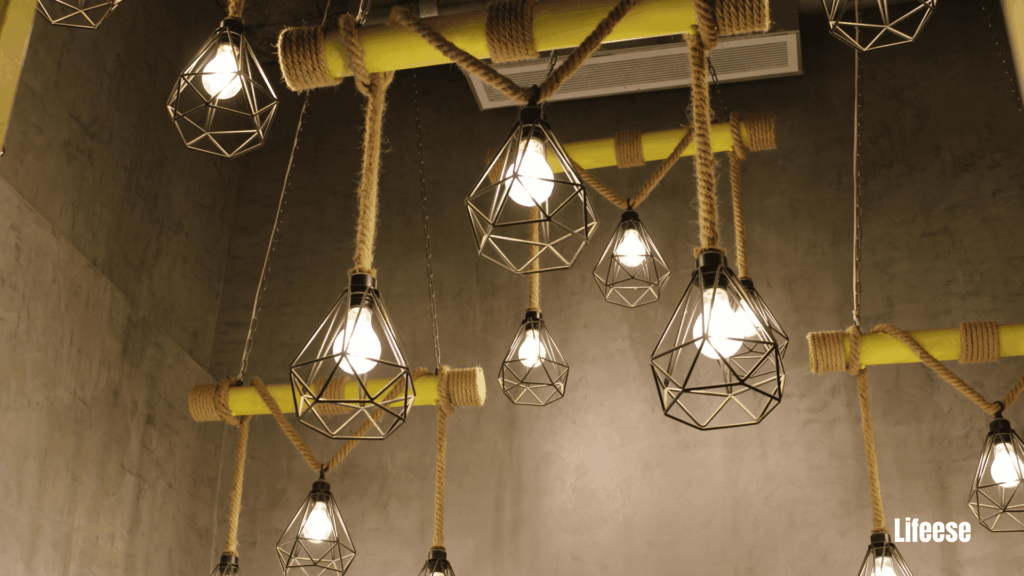
Correct installation ensures both performance and safety.
Ceiling Height and Fixture Size Rules
As a general rule, fixtures should hang at least 7 feet above the floor in open areas. Proportion matters—oversized lights overwhelm small rooms.
Cleaning and Long-Term Care
Dust fixtures regularly and avoid harsh cleaners. Integrated LEDs require minimal maintenance, adding to their appeal.
Sustainability and Energy-Efficient Lighting
Eco-friendly lighting isn’t just a trend—it’s a responsibility.
Energy Ratings and Certifications
Look for ENERGY STAR ratings and high lumens-per-watt efficiency to reduce environmental impact and utility costs.
Common Mistakes to Avoid When Buying Ceiling Lights
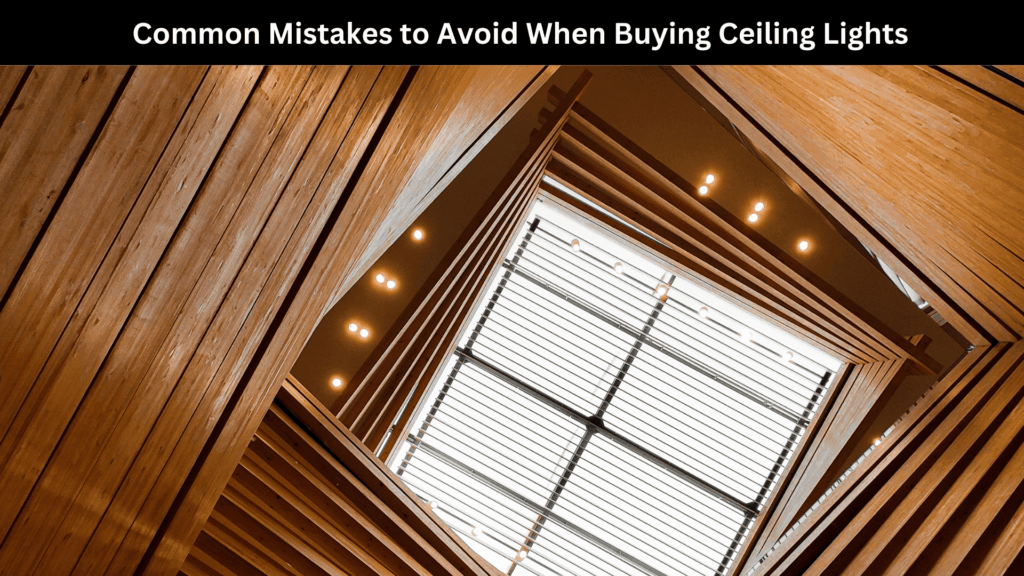
Many buyers focus only on appearance. Ignoring brightness levels, color temperature, and ceiling height often leads to disappointment. Always consider function before form.
FAQs
Are modern ceiling lights suitable for small rooms?
Yes, especially flush and semi-flush designs.
Do LED fixtures really last longer?
Absolutely. Many last over 20 years with normal use.
Can modern lights work in traditional homes?
Yes. Mixing styles can create balanced, timeless interiors.
Are smart ceiling lights worth it?
They offer convenience, energy savings, and customization.
What color temperature is best for homes?
Warm white (2700K–3000K) is ideal for living spaces.
Is professional installation necessary?
For complex or heavy fixtures, yes—for safety and performance.
Conclusion
Modern ceiling lighting is more than a design choice—it’s an investment in comfort, efficiency, and everyday joy. When chosen thoughtfully, modern ceiling light fixtures elevate spaces, support sustainable living, and adapt seamlessly to modern lifestyles.
By understanding types, technology, and placement, you can light your home with confidence—today and well into the future.