Mix Metal Finishes Interior: 9 Powerful Design Rules That Transform Spaces
Mix Metal Finishes Interior design is a bold yet elegant approach that brings depth, balance, and timeless charm to modern spaces when applied with confidence and clarity.
Interior design has come a long way from rigid rules and matching sets. Today, creativity leads the way, and one of the most exciting trends shaping homes is the thoughtful use of mixed metal finishes. The idea may sound daring at first, but when done right, it adds richness, personality, and a lived-in elegance that single-metal schemes often lack.
The concept of Mix Metal Finishes Interior design is not about chaos or excess. Instead, it is about balance, contrast, and intention. By combining different metal tones—such as brass, chrome, matte black, or copper—you create layers of visual interest that make a space feel curated rather than copied from a catalog. Designers now embrace this approach because it reflects real life: collected, evolving, and expressive.
In this article, you will explore how and why mixed metal finishes work, how to apply them room by room, and how to avoid common pitfalls. Drawing from professional design practices and real-world experience, this guide offers clear, practical advice in a confident yet approachable way.
Understanding the Concept of Mixed Metal Finishes
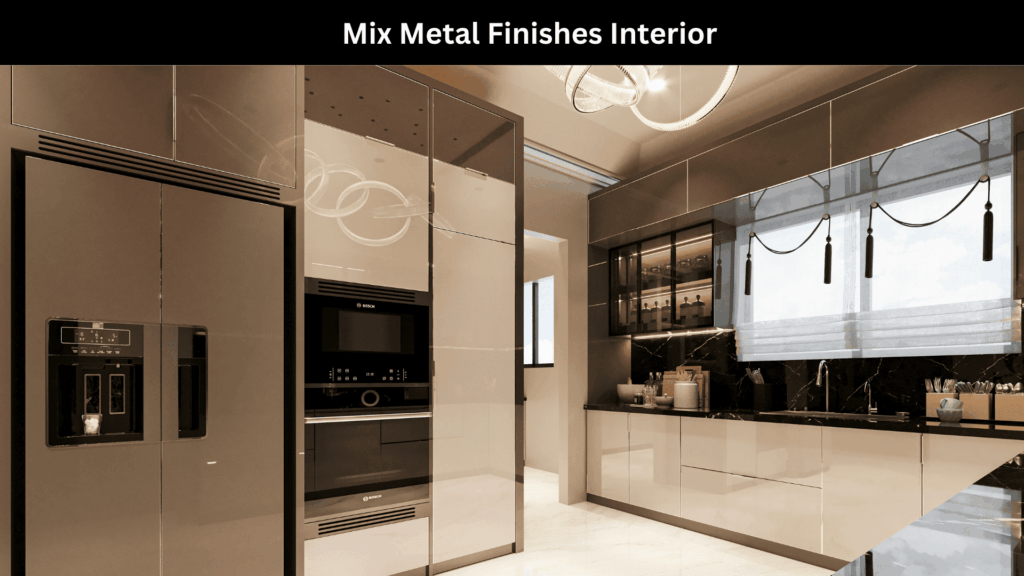
Mixed metal finishes refer to the intentional use of more than one metal type within the same interior space. Rather than matching every fixture and accent, designers blend finishes to create contrast and harmony. This approach allows each element to stand out while still contributing to a cohesive whole.
Why Mixing Metals Works in Modern Homes
Modern homes thrive on visual balance. Mixing metals introduces contrast without overwhelming the senses. For example, pairing a warm brass light fixture with cool stainless steel appliances creates a pleasing tension that keeps the eye engaged. This contrast helps spaces feel dynamic and thoughtfully designed.
Another reason this approach works so well is flexibility. Homes evolve over time. When metals are mixed, adding or replacing pieces later becomes easier because the design already allows variation. This makes interiors more forgiving and more personal.
Common Misconceptions About Mixed Metals
One common myth is that mixing metals looks messy or unplanned. In reality, poor results usually come from a lack of structure, not from the mix itself. Another misconception is that only modern or industrial homes can pull off this look. In truth, traditional, rustic, and even minimalist interiors can benefit from mixed metal accents when applied with care.
The Psychology of Metal Finishes in Interior Design
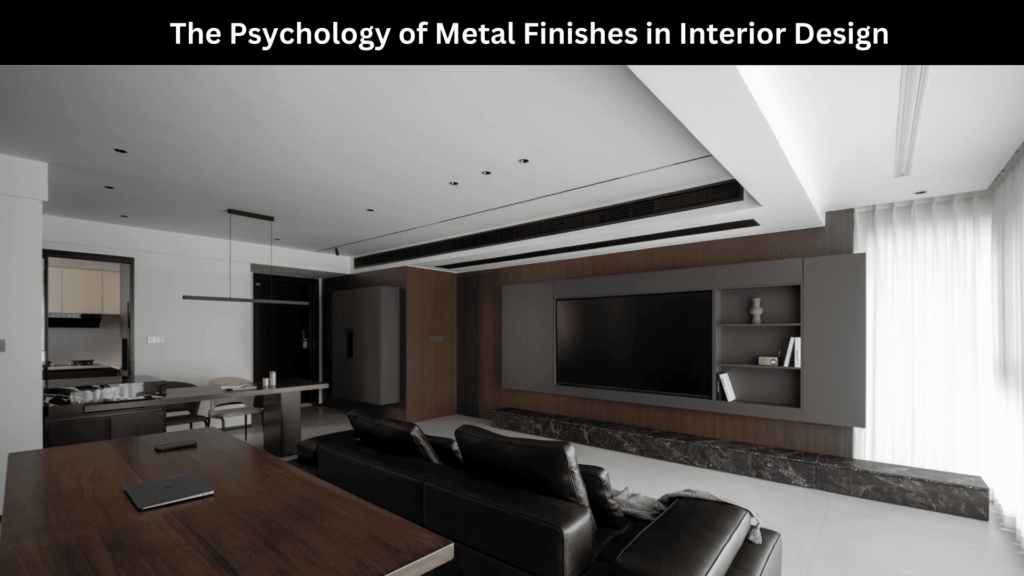
Metal finishes do more than reflect light; they influence how a space feels. Warm metals like brass and copper often evoke comfort, warmth, and a sense of luxury. Cool metals such as chrome or nickel tend to feel clean, modern, and efficient.
Warm vs. Cool Metals
Warm metals are inviting. They soften spaces and pair well with natural materials like wood and stone. Cool metals, on the other hand, bring clarity and structure. When combined, these opposing qualities balance each other, creating interiors that feel both welcoming and refined.
How Light Influences Metal Tones
Lighting plays a crucial role in how metal finishes appear. Natural daylight enhances warmth and depth, while artificial lighting can either soften or sharpen metal tones depending on bulb temperature. Understanding this interaction helps ensure that mixed metals feel intentional rather than accidental.
Core Principles for Mixing Metal Finishes Successfully
Successful mixed metal interiors follow a few guiding principles. These rules help maintain harmony while allowing creativity to shine.
The 60-30-10 Rule Applied to Metals
This classic design rule works beautifully with metals. Choose one dominant metal finish for about 60% of visible elements. A secondary metal covers roughly 30%, while an accent metal makes up the remaining 10%. This structure prevents visual overload and creates a clear hierarchy.
Anchor Metals and Accent Metals
Anchor metals are the foundation of the space. They appear in larger or repeated elements like door handles or major fixtures. Accent metals show up in smaller details such as décor objects or lighting trims. This balance keeps the design grounded and cohesive.
Popular Metal Finishes Used in Interiors
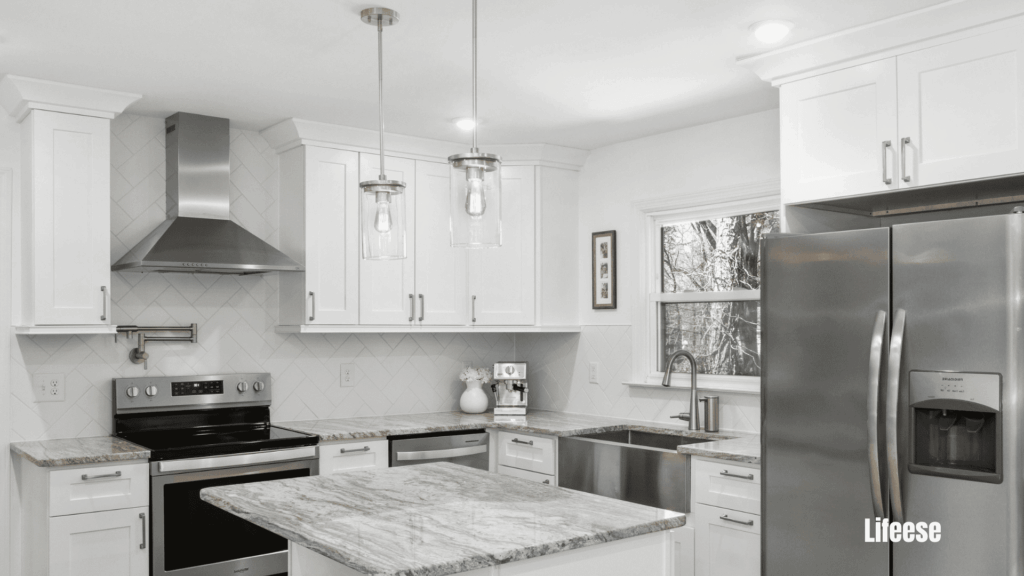
Understanding the character of each metal helps you mix them with confidence.
Brass and Gold Tones
Brass brings warmth and a timeless elegance. It works well in both classic and contemporary settings, especially when paired with neutral palettes.
Chrome, Nickel, and Stainless Steel
These finishes feel sleek and modern. They reflect light well and are commonly used in kitchens and bathrooms for their clean appearance and durability.
Blackened and Oil-Rubbed Metals
Darker metals add depth and drama. They ground a space and work especially well as contrast against lighter finishes.
Room-by-Room Guide to Mixing Metal Finishes
Different rooms call for different approaches, but the core principles remain the same.
Kitchen Design with Mixed Metals
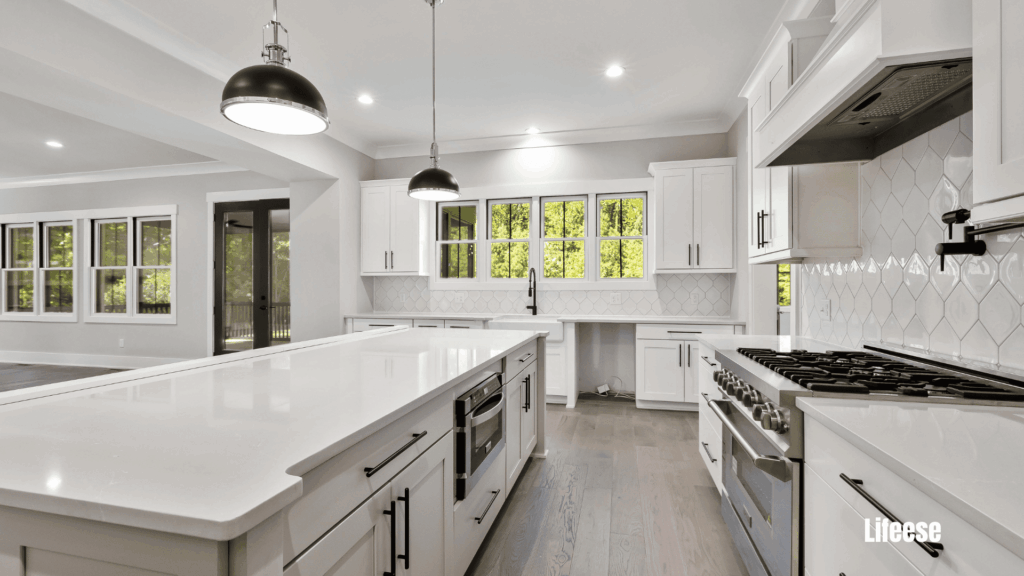
Kitchens are ideal for mixed metals. Appliances often introduce stainless steel, while cabinet hardware and lighting offer opportunities for contrast. Keeping one finish dominant ensures cohesion.
Bathroom Metal Combinations
Bathrooms benefit from subtle mixing. For example, chrome faucets paired with brass mirror frames create interest without overwhelming the space.
Living Room and Bedroom Accents
In living spaces, metals often appear in lighting, furniture legs, and décor. Here, restraint is key. Repeating each metal at least twice helps maintain balance.
Common Mistakes to Avoid When Mixing Metals
The most common mistake is using too many finishes without a clear plan. Another is ignoring scale. Large metal elements carry more visual weight and should be chosen carefully. Consistency in finish style—such as matte or polished—also helps maintain harmony.
Styling Tips from Interior Design Experts
Professional designers often rely on texture and patina to unify mixed metals.
Using Texture and Patina for Cohesion
Aged or brushed finishes blend more easily than highly polished ones. Patina adds character and helps different metals feel connected rather than competing.
Sustainable and Timeless Metal Choices
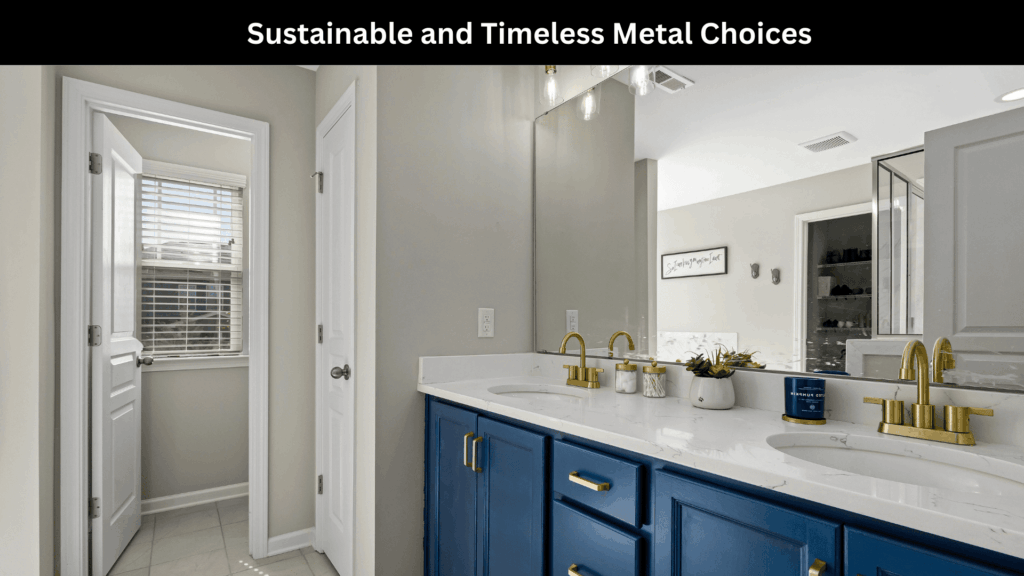
Choosing durable, recyclable metals supports sustainability and long-term design value. Timeless finishes reduce the need for frequent updates, making interiors both eco-conscious and cost-effective.
FAQs
Can I mix more than three metal finishes in one room?
Yes, but it requires careful balance and repetition to avoid clutter.
Do mixed metals work in small spaces?
Absolutely. When applied thoughtfully, they can add depth without crowding.
Should metals match across the entire house?
Not necessarily. Consistency within each room matters more than whole-house uniformity.
Are mixed metals just a trend?
While popular now, the concept is rooted in timeless design principles.
How do I start mixing metals if I’m unsure?
Begin with one dominant metal and introduce a secondary finish through small accents.
Can mixed metals increase home value?
When done tastefully, they can enhance perceived quality and design sophistication.
Conclusion
The beauty of Mix Metal Finishes Interior design lies in its balance of freedom and structure. By understanding the character of each metal, respecting proportion, and repeating finishes with intention, you can create spaces that feel layered, personal, and timeless. Rather than following strict rules, this approach invites confidence and creativity—proof that contrast, when guided by purpose, leads to harmony.