15 Brilliant Loft Bedroom Under Eaves Ideas That Transform Awkward Spaces
Loft Bedroom Under Eaves design ideas that turn sloped ceilings into cozy, stylish, and highly functional sleeping spaces.
Designing a Loft Bedroom Under Eaves can feel like a puzzle at first. Sloping ceilings, limited headroom, and odd corners often seem more like obstacles than opportunities. Yet, with the right planning and a bit of creative thinking, these tucked-away spaces can become some of the most charming and restful rooms in a home. In fact, many homeowners find that an attic or loft bedroom has a unique warmth and character that standard rooms simply cannot match.
A loft bedroom beneath the eaves isn’t just about squeezing a bed into an attic. It’s about understanding how architecture, light, storage, and comfort work together. When done well, it can feel intentional, spacious, and surprisingly luxurious. Let’s walk through everything you need to know, from structure to style, so you can turn every angled inch into a smart design choice.
Understanding a Loft Bedroom Under Eaves
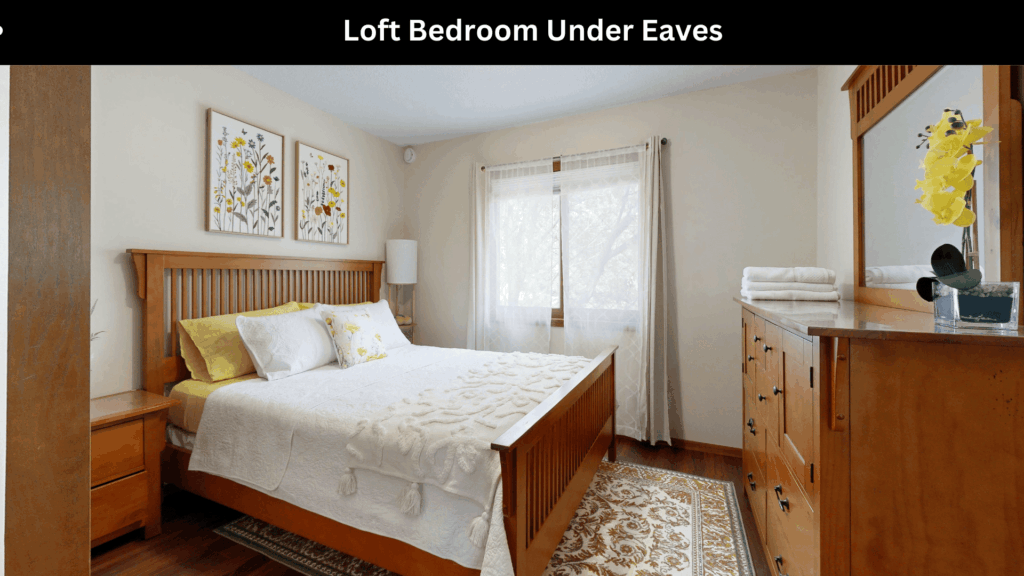
A loft bedroom under eaves is typically located directly beneath a pitched roof, where the ceiling slopes downward toward the outer walls. These sloped sections are known as eaves, and they shape the entire personality of the room. While they limit vertical space, they also create a cozy, enclosed feeling that many people love for sleeping areas.
What makes these bedrooms special is their sense of retreat. Tucked away from the main living areas, they often feel quieter and more private. The challenge lies in working with the angles rather than fighting them. Instead of trying to make the room feel like a standard rectangle, successful designs embrace the slopes and build around them.
From a practical point of view, these spaces are often found in converted attics or upper floors of homes with pitched roofs. They’re popular in cottages, townhouses, and older homes, but modern builds use them too. The key is recognizing that a loft bedroom under eaves is not a compromise. When planned thoughtfully, it can be a standout feature of the home.
Structural Considerations Before Designing
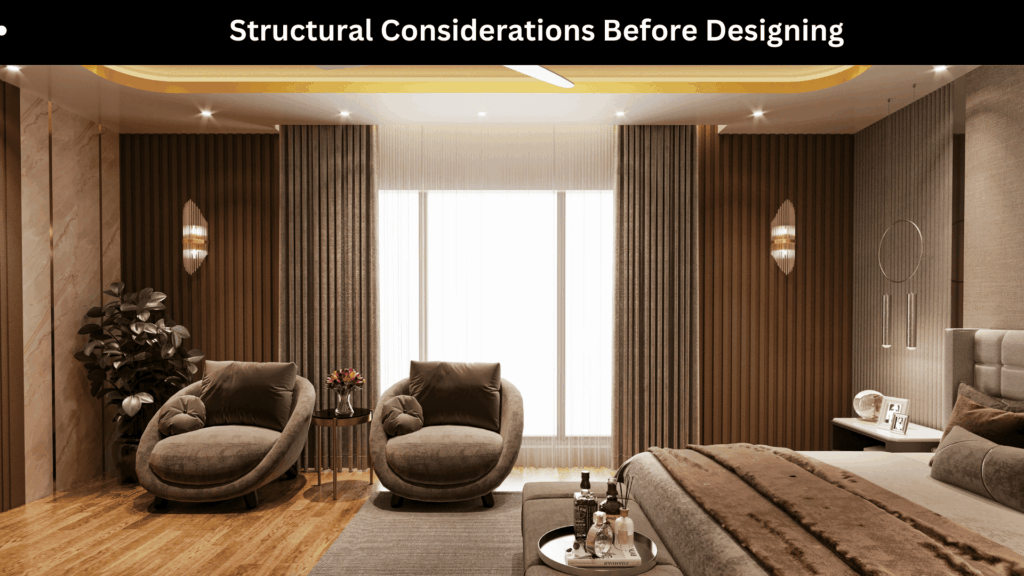
Before choosing paint colors or furniture, it’s essential to understand the structure you’re working with. Roof pitch and ceiling height play a huge role in how usable the space will be. Some areas may be perfect for standing and moving around, while others are better suited for storage or seating.
Headroom is one of the first things to check. Many building guidelines suggest a minimum ceiling height in the main usable area to ensure comfort and safety. Even if regulations vary, comfort should be your guide. If you can stand upright in the central portion of the room, you’re off to a good start.
Floor strength matters too. Attics were not always designed for daily use, so reinforcing the floor may be necessary. This is especially important if you plan to add heavy furniture or built-in storage. Consulting a qualified professional at this stage can prevent costly problems later and ensures your loft bedroom is both safe and durable.
Planning the Layout for Maximum Comfort
Layout is where smart design really shines in a loft bedroom under eaves. The most common and effective strategy is to place the bed where headroom is lowest. Since you’re lying down most of the time, reduced ceiling height isn’t an issue here. This leaves taller areas free for walking, dressing, and storage.
Low-profile beds or platform frames work especially well. They keep the visual height of the room low and prevent the space from feeling cramped. Built-in headboards that follow the roofline can also look seamless and intentional.
Zoning the room helps it feel organized. Even in a small loft, you can define areas for sleeping, dressing, and relaxing. A small wardrobe under a higher section, a reading nook near a window, or drawers tucked into knee walls all contribute to a sense of flow. Thoughtful layout choices can make the room feel larger than it really is.
Lighting Strategies for Slanted Spaces
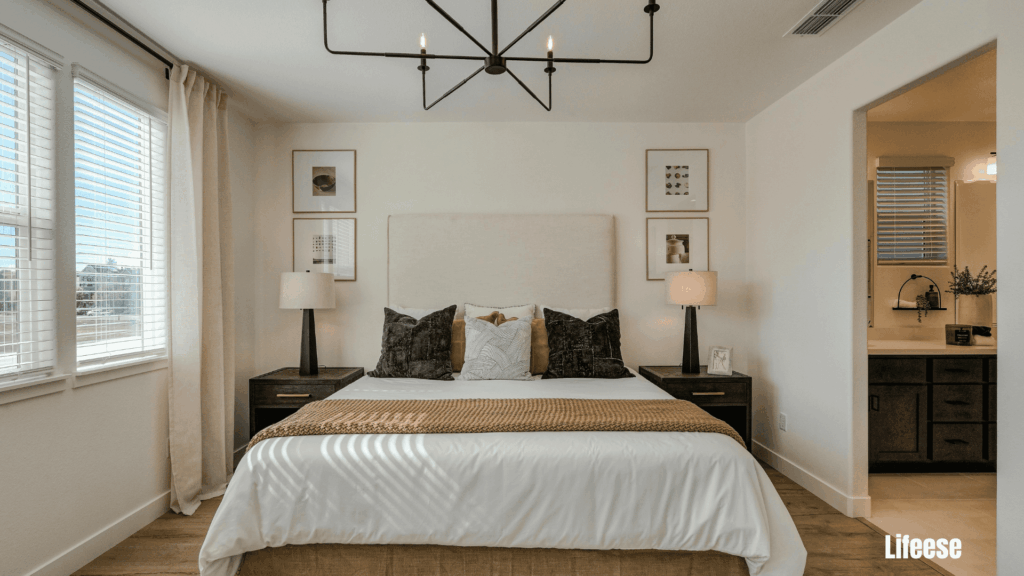
Lighting can make or break a loft bedroom. Natural light is especially valuable in attic spaces, and skylights or dormer windows are often the best solutions. They bring in daylight from above, making the room feel brighter and more open without sacrificing wall space.
Window treatments should be simple and practical. Roller blinds or fitted shades follow the angle of the roof neatly and keep the look clean. For artificial lighting, layering is key. A mix of ambient, task, and accent lighting creates depth and flexibility.
Wall-mounted lights and pendant fixtures are often better than floor lamps, which can feel bulky. Soft, warm lighting enhances the cozy nature of a loft bedroom and makes it an inviting place to unwind at the end of the day.
Storage Solutions Built Into the Eaves
One of the biggest advantages of eaves is the opportunity for clever storage. Those low, awkward spaces are perfect for built-in cabinets, drawers, or shelves. Custom storage along knee walls can hold clothes, shoes, books, or seasonal items without taking up valuable floor space.
Pull-out drawers are especially effective. They allow you to access deep storage areas easily, so nothing gets lost in the back. Hidden compartments can also keep the room looking tidy and uncluttered.
Good storage design is what separates a cramped attic from a polished bedroom. When everything has a place, the room feels calmer and more spacious, even with sloping ceilings.
Color Schemes That Open Up the Space
Color plays a powerful role in how a loft bedroom feels. Light, neutral shades are often the go-to choice because they reflect light and make the space feel airy. Whites, creams, and soft grays work beautifully under eaves.
That said, darker colors aren’t off-limits. Used thoughtfully, a deep accent wall or darker ceiling can add drama and warmth. Painting the ceiling and walls the same color can also blur edges and make slopes feel less abrupt.
The goal is balance. A cohesive color palette helps the room feel intentional rather than pieced together. With the right colors, even the smallest loft bedroom can feel welcoming and stylish.
Furniture Choices for Loft Bedrooms
Furniture selection should always respect the scale of the room. Bulky wardrobes and tall dressers can overwhelm a loft space. Instead, look for low, streamlined pieces or custom-built options that fit perfectly under the eaves.
Multi-functional furniture is your best friend here. Beds with built-in drawers, benches with storage, or desks that double as vanities all save space while adding function. Bespoke furniture may cost more upfront, but it often delivers better long-term value by maximizing every inch.
Choosing furniture that follows the roofline also creates a sense of harmony. When pieces look like they belong in the space, the room feels calmer and more refined.
Insulation, Ventilation, and Climate Control
Comfort isn’t just about looks. Proper insulation is crucial in a loft bedroom under eaves, as roofs are more exposed to temperature changes. Good insulation keeps the room warm in winter and cool in summer, making it usable year-round.
Ventilation is equally important. Without it, loft bedrooms can become stuffy or overheated. Roof vents, discreet fans, or well-placed windows can improve airflow without disrupting the design.
For reliable guidance on insulation standards and ventilation best practices, homeowners often refer to trusted resources such as the UK government’s building guidance at GOV.UK. These principles apply broadly and highlight why technical planning matters as much as aesthetics.
Flooring Options for Attic and Loft Bedrooms
Flooring in a loft bedroom should be lightweight, warm, and quiet. Engineered wood, laminate, or cork are popular choices because they’re durable without being too heavy. Carpet is another excellent option, especially for bedrooms, as it adds warmth and absorbs sound.
Rugs can define areas and add texture, particularly in larger lofts. Underfoot comfort is important in a space designed for rest, so choosing the right flooring makes a noticeable difference in how the room feels day to day.
Safety, Access, and Building Regulations
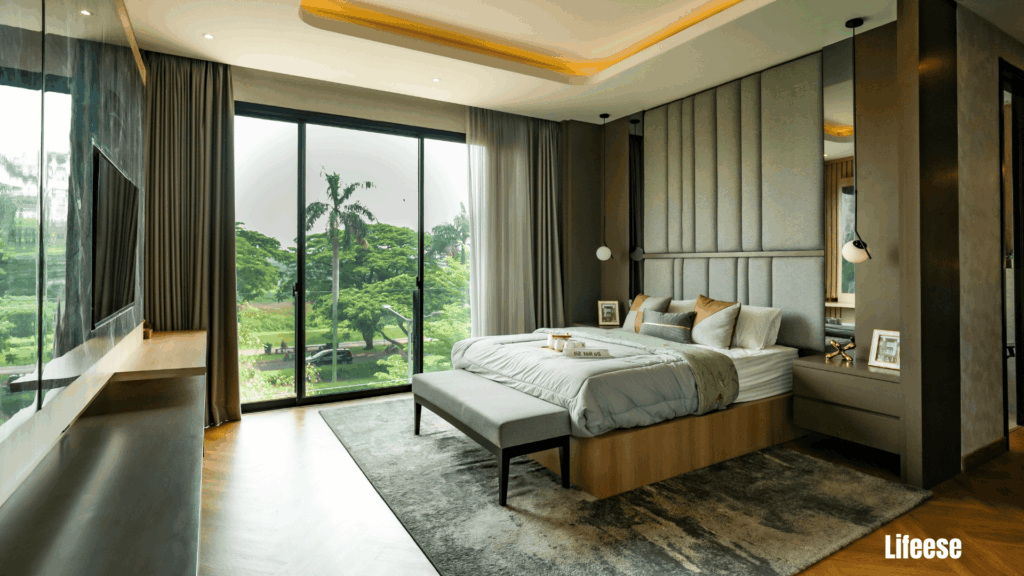
Access to a loft bedroom must be safe and comfortable. Staircase design is critical, with enough head clearance and secure handrails. A well-designed staircase doesn’t just meet regulations; it sets the tone for the room above.
Fire safety should never be overlooked. Proper smoke alarms, fire-resistant materials, and clear escape routes are essential. In many homes, this means ensuring windows are suitable for emergency exits.
By addressing safety early, you create peace of mind and protect your investment. A beautiful room should also be a safe one.
Decorating a Loft Bedroom Under Eaves
Decor is where personality comes into play. Soft textiles, layered bedding, and cushions enhance the cozy feel that loft bedrooms naturally offer. Curtains, throws, and rugs add warmth and visual interest without overwhelming the space.
Artwork and décor should be chosen carefully. A few meaningful pieces often work better than many small items. Mirrors can also help reflect light and make the room feel larger.
The aim is to create a retreat. When decoration supports comfort and calm, the room becomes a place you genuinely look forward to spending time in.
Common Mistakes to Avoid
One common mistake is poor lighting. Relying on a single ceiling light often leaves corners dark and uninviting. Another is ignoring storage needs, which quickly leads to clutter.
Trying to force standard furniture into an unconventional space is also problematic. Loft bedrooms require tailored solutions. Avoiding these pitfalls saves time, money, and frustration in the long run.
Cost Planning and Budget Tips
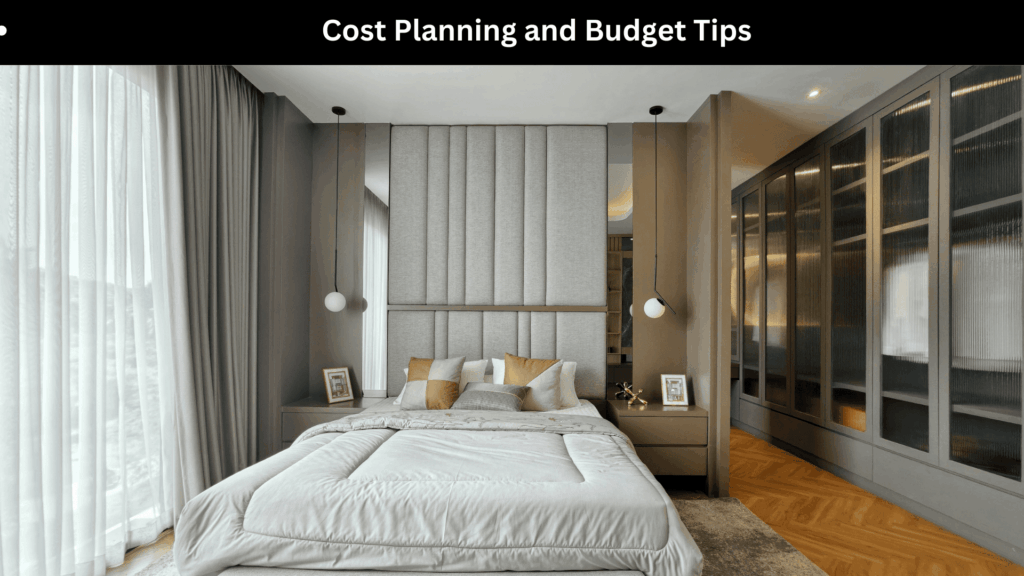
Budgeting for a loft bedroom involves deciding where to invest. Structural work, insulation, and custom storage usually deserve priority. These elements affect comfort and usability more than decorative details.
Savings can often be found in finishes and accessories, which can be updated later. Mixing custom features with ready-made items keeps costs under control while still achieving a polished look.
FAQs
Is a loft bedroom under eaves suitable for daily use?
Yes, with proper insulation, lighting, and ventilation, it can be just as comfortable as any other bedroom.
What bed works best under sloped ceilings?
Low-profile or platform beds are ideal because they suit reduced headroom.
Can I add storage under the eaves?
Absolutely. Built-in drawers and cabinets are some of the best uses of eaves space.
Do loft bedrooms get too hot in summer?
They can, but good insulation and ventilation help regulate temperature.
Are skylights worth adding?
Yes, they dramatically improve natural light and make the space feel larger.
Is custom furniture necessary?
Not always, but custom pieces often maximize space more effectively.
Conclusion
A well-designed loft bedroom under eaves proves that challenging spaces can become beautiful, functional retreats. By respecting the structure, planning the layout carefully, and choosing smart storage and lighting solutions, you can transform an attic into a room full of character and comfort.