Indoor Water Feature Design: 15 Brilliant Ideas to Transform Your Space
Indoor Water Feature Design can dramatically enhance your living space with calming sounds, elegant visuals, and modern luxury—discover 15 brilliant ideas to inspire your transformation.
Indoor Water Feature Design is more than just adding a fountain inside your home—it’s about shaping an atmosphere. Water has a calming power. It flows, it sparkles, it whispers. When you bring water indoors, you bring nature inside too. And honestly, who wouldn’t want that?
In modern interiors, homeowners and designers are turning to indoor fountains, waterfalls, and reflecting pools to create soothing environments. From cozy apartments to grand hotel lobbies, water features are becoming a symbol of comfort and elegance.
Introduction to Indoor Water Elements in Modern Interiors
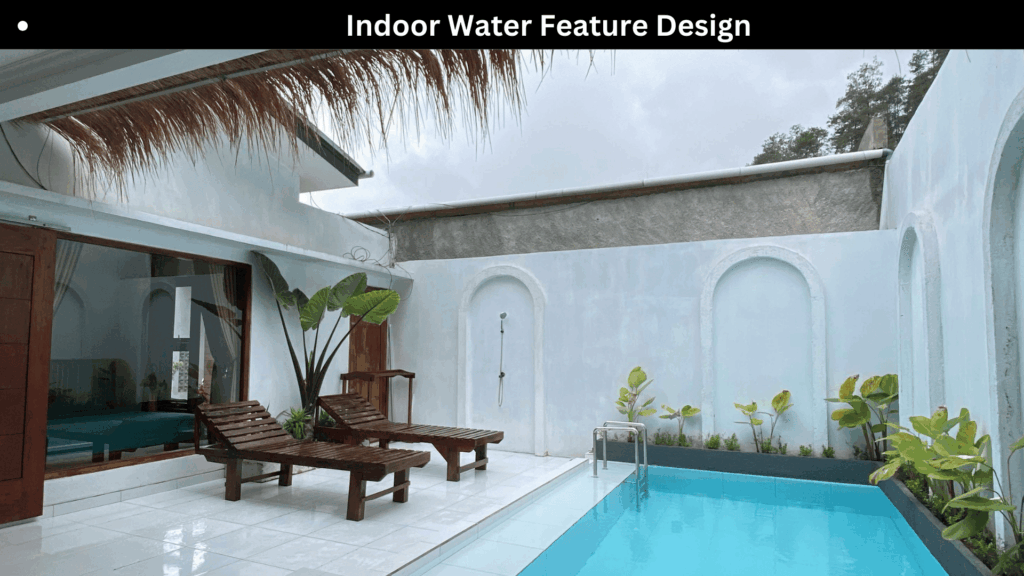
Water has always played a central role in architecture. Ancient Roman villas featured fountains as status symbols. Traditional Asian homes used courtyard ponds to create harmony. Even Islamic gardens celebrated flowing water as a sign of paradise.
Today, Indoor Water Feature Design blends that ancient wisdom with modern innovation. The soft sound of water masks background noise. The gentle movement captures attention. And the reflective surface adds light to any room.
In open-plan homes, a vertical water wall can act as a room divider. In offices, tabletop fountains reduce stress. Designers often say water brings “life” into static spaces—and they’re absolutely right.
Core Principles of Indoor Water Feature Design
Designing an indoor water feature isn’t just about picking a pretty fountain. It requires thoughtful planning.
Scale and Spatial Planning
First, consider the room size. A large cascading waterfall in a small living room can feel overwhelming. On the flip side, a tiny tabletop fountain might disappear in a grand foyer.
Ask yourself:
- How high is the ceiling?
- Where does natural light enter?
- Will it become a focal point?
Placement matters. Many designers position water features near entrances or central seating areas. That way, the movement becomes a visual anchor.
Lighting Integration Techniques
Lighting can make or break a water feature. LED strips behind a water wall create dramatic reflections. Spotlights highlight flowing streams. Natural light enhances sparkle during the day.
Reflective Surfaces and Ambient Glow
Glass, polished stone, and mirrors amplify water’s shimmer. When light hits the surface, it dances. The result? A magical glow that changes throughout the day.
Types of Indoor Water Features
There are many styles to choose from. Let’s explore the most popular ones.
Freestanding Fountains
Freestanding fountains are versatile and mobile. Made from stone, ceramic, or resin, they can be placed almost anywhere. They’re perfect for living rooms or offices.
Wall-Mounted Waterfalls
If you’re short on space, vertical water walls are ideal. They mount directly onto walls and allow water to cascade smoothly down glass or slate panels. They look sleek and modern.
Indoor Ponds and Reflecting Pools
For larger homes, indoor ponds offer a natural retreat. Some homeowners even add koi fish for a living ecosystem. These designs align closely with biophilic architecture principles.
Aquariums as Living Water Features
Aquariums combine water movement with marine life. They require more maintenance but offer unmatched beauty.
Materials Used in Water Feature Construction
Material choice affects durability and style.
Natural Materials for Organic Appeal
Slate, granite, marble, and river rock create earthy textures. These materials blend beautifully with plants and wood interiors.
Contemporary Materials for Modern Interiors
Tempered glass, stainless steel, and acrylic give a minimalist look. They’re often used in luxury condos and commercial spaces.
Water Circulation and Pump Systems
Behind every stunning water feature is a reliable pump system.
Choose energy-efficient pumps to reduce electricity costs. Many modern systems operate quietly, ensuring peace isn’t disturbed. Proper filtration prevents algae buildup and keeps water clear.
Indoor Water Feature Design for Small Spaces
Don’t worry if you live in an apartment. Small-scale solutions exist.
Tabletop fountains fit on desks and shelves. Corner installations utilize unused areas. Even a narrow hallway can host a slim wall fountain.
Large-Scale Installations for Luxury Interiors
Hotels and corporate offices often invest in custom water walls. Multi-level cascades create dynamic movement and dramatic impact. These installations require professional engineering and waterproofing.
Feng Shui and Spiritual Symbolism of Water
In Feng Shui, water symbolizes wealth and prosperity. Placing a fountain near the entrance is believed to invite positive energy. The direction of flow also matters—it should move inward, symbolizing abundance entering the home.
Biophilic Design and Wellness Benefits
Research from organizations like the American Institute of Architects highlights the importance of connecting buildings with nature.
Water features reduce stress levels, lower heart rate, and improve concentration. The gentle sound triggers relaxation responses in the brain.
Lighting and Smart Integration
Modern systems integrate with smart home technology. Timers control flow schedules. LED colors can shift based on mood. Some systems even sync with voice assistants.
Safety Considerations and Structural Planning
Waterproof membranes protect walls and floors. Electrical components must follow safety codes. For homes with children or pets, shallow basins and protective covers are essential.
Maintenance Guide for Long-Lasting Performance
Clean pumps monthly. Replace filters regularly. Use distilled water to reduce mineral buildup. A simple schedule keeps your feature running smoothly for years.
Budget Planning and Cost Factors
Costs vary widely. Small tabletop fountains may cost under $200. Custom water walls can reach thousands. Consider installation, plumbing, and ongoing maintenance expenses.
DIY kits are available, but professional installation ensures structural safety.
Sustainable and Eco-Friendly Water Feature Ideas
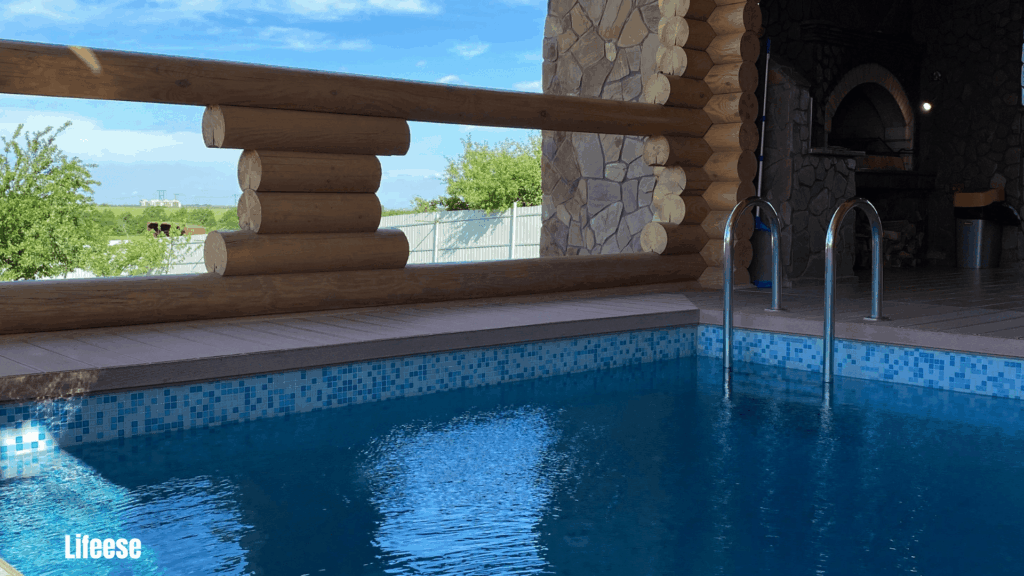
Eco-conscious homeowners reuse rainwater and install solar-powered pumps. Closed-loop systems minimize water waste.
Sustainability isn’t just trendy—it’s responsible.
FAQs
Is an indoor water feature expensive to maintain?
Not necessarily. Small features cost little to operate, especially with energy-efficient pumps.
Can I install a water feature in an apartment?
Yes. Compact wall-mounted or tabletop designs work well in small spaces.
Does it increase humidity?
Slightly, but usually not enough to cause problems.
How often should I clean it?
Light cleaning every two weeks and deep cleaning monthly is recommended.
Is professional installation necessary?
For large installations, yes. Small fountains can be DIY projects.
Are indoor ponds safe?
With proper depth control and barriers, they can be safe.
Conclusion
Indoor Water Feature Design transforms interiors into calming sanctuaries. From small tabletop fountains to grand cascading walls, water brings motion, light, and tranquility indoors. With thoughtful planning, proper materials, and regular maintenance, you can enjoy a timeless feature that enhances both aesthetics and well-being.