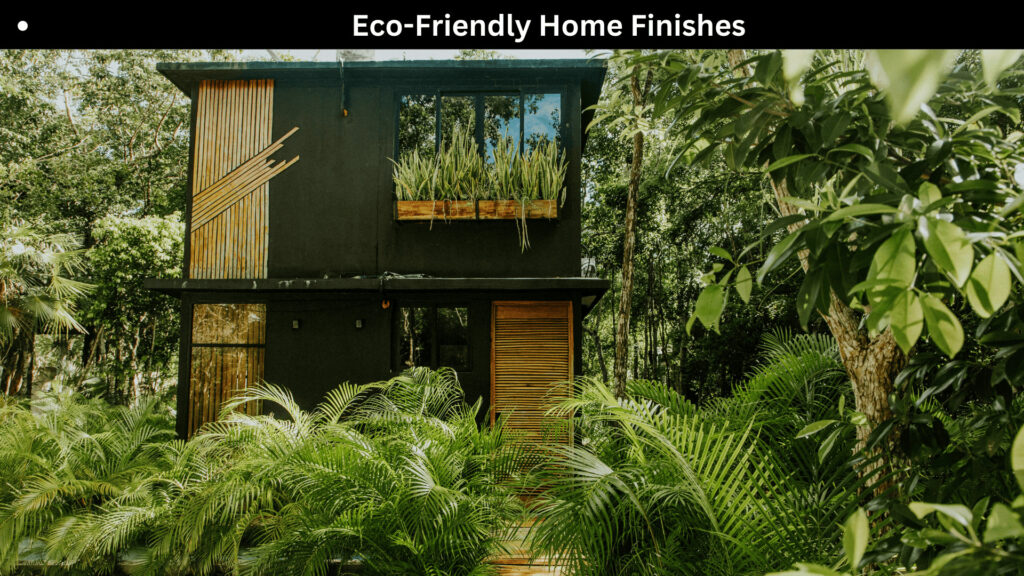
Eco-Friendly Home Finishes: 15 Brilliant, Sustainable Ideas for a Healthier Future
Eco-Friendly Home Finishes: Discover 15 brilliant, sustainable ideas that transform your space while protecting the planet and improving indoor air quality.
Eco-Friendly Home Finishes are transforming the way we design and build our living spaces. More homeowners today want materials that are safe, durable, and kind to the environment. And honestly, who wouldn’t? A healthy home isn’t just about stylish décor; it’s about clean air, lower energy bills, and a lighter footprint on the Earth.
In this comprehensive guide, we’ll explore practical, affordable, and innovative solutions that combine beauty with sustainability. From flooring to roofing, paints to countertops, you’ll discover how small choices can make a big difference.
Introduction to Eco-Friendly Interior Materials
Eco-friendly interior materials are products designed to reduce environmental harm. They’re responsibly sourced, energy-efficient, and often recyclable or biodegradable. Unlike traditional finishes that may release harmful chemicals, sustainable options focus on safety and longevity.
Conventional home finishes often contain volatile organic compounds (VOCs). These chemicals evaporate into the air and can cause headaches, allergies, and respiratory issues. Eco-conscious alternatives, however, use natural ingredients and cleaner production methods.
Sustainability also means thinking about a product’s full life cycle. Where did it come from? How was it made? Can it be recycled? These are important questions when selecting finishes for a modern green home.
Why Sustainable Home Design Matters Today
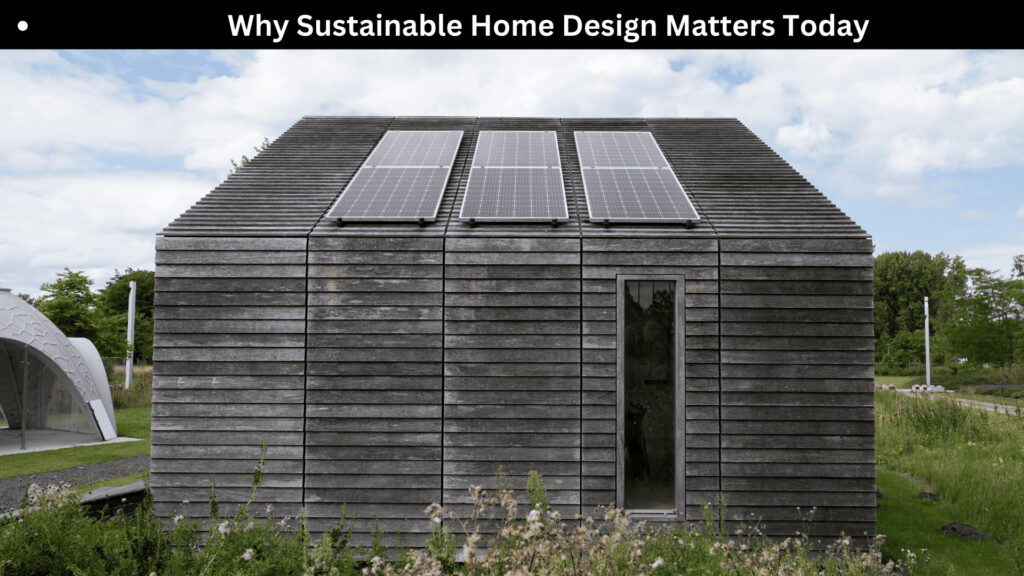
Climate change is no longer a distant concern. Buildings account for nearly 40% of global carbon emissions. Choosing sustainable finishes helps reduce that number. When you select reclaimed wood instead of newly harvested timber, you help conserve forests. When you install LED lighting, you reduce energy consumption dramatically.
Indoor air quality is another crucial factor. The Environmental Protection Agency (EPA) notes that indoor air can be more polluted than outdoor air. That’s surprising, right? Sustainable finishes minimize toxins, creating safer living environments—especially for children and elderly family members.
Understanding Green Building Certifications
Green certifications help homeowners identify trustworthy products. The U.S. Green Building Council developed LEED (Leadership in Energy and Environmental Design), one of the world’s most recognized green building rating systems. LEED-certified materials meet strict sustainability standards.
Another important system is the WELL Building Standard, which focuses on health and wellness. These certifications ensure transparency and accountability.
Environmental Product Declarations (EPDs) provide detailed lifecycle assessments. They show how much energy was used in manufacturing and what emissions were produced. This transparency builds trust and supports informed decisions.
For more guidance, visit the U.S. Environmental Protection Agency website for indoor air quality standards and sustainable recommendations.
Sustainable Flooring Options
Flooring covers a large surface area, so choosing wisely matters.
Bamboo Flooring: Bamboo grows rapidly, making it highly renewable. It’s durable and stylish.
Cork Flooring: Harvested from tree bark without harming the tree, cork is soft underfoot and naturally insulating.
Reclaimed Wood: Using salvaged timber reduces waste and adds character.
Natural Stone & Polished Concrete: These materials offer exceptional durability. Concrete’s thermal mass helps regulate indoor temperature, lowering energy bills.
Proper maintenance ensures longevity. Refinishing wood floors extends their life by decades, reducing replacement costs.
Low-VOC and Non-Toxic Paints
Traditional paints release VOCs that pollute indoor air. Low-VOC paints dramatically reduce emissions. Many brands now offer zero-VOC options in vibrant colors.
Mineral-based finishes like limewash and clay paints provide a breathable surface. They resist mold and add a timeless, textured appearance. Plus, they’re biodegradable. That’s a win-win!
Eco-Conscious Wall Treatments
Recycled wall panels made from agricultural waste or reclaimed fibers offer sustainable alternatives. Natural wallpapers use plant-based inks and adhesives.
Plant-based insulation improves thermal performance while remaining biodegradable. These materials reduce energy usage and provide sound absorption benefits.
Sustainable Cabinetry and Wood Finishes
Look for FSC-certified wood to ensure responsible forest management. Formaldehyde-free plywood improves indoor air quality.
Natural oils such as linseed oil and beeswax create protective finishes without toxic chemicals. Water-based sealants are another safer option.
Green Countertop Materials
Recycled glass countertops combine beauty and durability. Paper composite surfaces are surprisingly strong and resistant to heat. Reclaimed stone reduces quarrying impacts.
Energy-Efficient Lighting Fixtures
LED lighting uses up to 75% less energy than incandescent bulbs. Smart lighting systems adjust brightness automatically, reducing electricity waste.
Daylighting strategies, including skylights and large windows, reduce reliance on artificial lighting.
Water-Saving Bathroom and Kitchen Finishes
Low-flow faucets and dual-flush toilets significantly reduce water consumption. Recycled ceramic tiles provide eco-friendly beauty, while non-toxic grout improves air quality.
Sustainable Roofing and Exterior Finishes
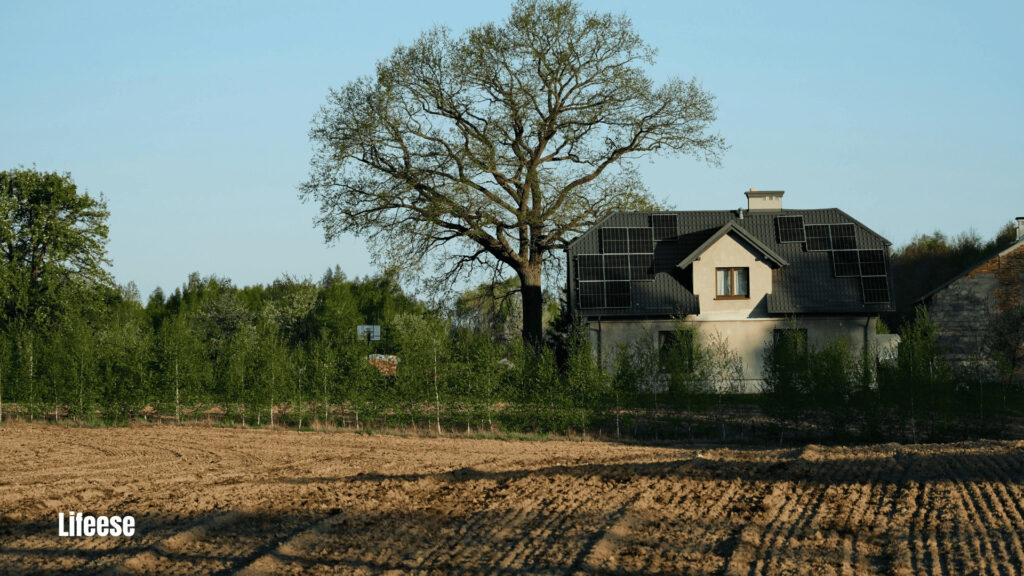
Cool roofs reflect sunlight, reducing heat absorption. Green roofs provide insulation and absorb rainwater. Solar shingles integrate renewable energy directly into the roof structure.
Weather-resistant natural coatings protect wood siding while remaining environmentally safe.
Indoor Air Quality and Ventilation Solutions
Proper ventilation prevents mold growth and reduces pollutants. Energy recovery ventilators (ERVs) maintain fresh air flow without wasting heat.
Humidity control systems further improve comfort and prevent structural damage.
Cost Analysis of Eco-Friendly Finishes
Eco-friendly materials sometimes cost more upfront. However, long-term savings often outweigh initial expenses. Lower energy bills, reduced maintenance, and higher resale value contribute to strong returns on investment.
Green homes typically sell faster and at higher prices. Buyers value sustainability and energy efficiency.
Future Trends in Sustainable Home Finishes
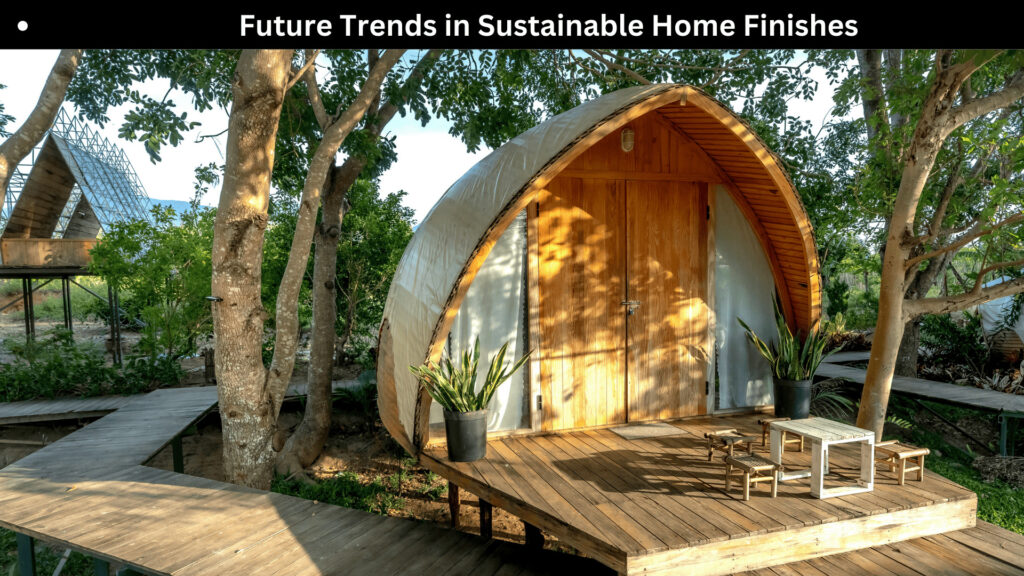
Innovation continues to reshape the industry. Biodegradable composites, self-healing materials, and carbon-negative concrete are emerging technologies.
Smart home integration enhances efficiency. Imagine windows that automatically adjust tint based on sunlight. The future is exciting—and greener than ever.
FAQs
Are eco-friendly finishes more expensive?
They may cost more initially but often save money long-term through durability and efficiency.
Do low-VOC paints perform as well as traditional paints?
Yes. Modern formulations offer equal coverage and durability.
How do I verify sustainable claims?
Look for third-party certifications like LEED or FSC labels.
Are sustainable materials durable?
Absolutely. Many options, like bamboo and concrete, are extremely long-lasting.
Can I renovate one room at a time?
Yes. Start small and gradually upgrade finishes.
Do green homes increase property value?
Studies show they often command higher resale prices due to energy savings and healthier living conditions.
Conclusion
Eco-Friendly Home Finishes are more than a trend—they’re a responsible investment in our future. By choosing sustainable materials, you improve indoor air quality, reduce environmental impact, and create a healthier home for your family.
Every decision counts. Whether it’s selecting bamboo flooring or installing LED lights, each step moves you closer to a cleaner, greener lifestyle. The path to sustainability starts at home—and there’s no better time to begin than now.