Cork Wall Panels Interior: 15 Brilliant Benefits & Smart Design Secrets for Modern Homes
Cork Wall Panels Interior solutions offer sustainable beauty, acoustic comfort, and thermal efficiency—discover 15 powerful benefits and expert design tips for modern homes.
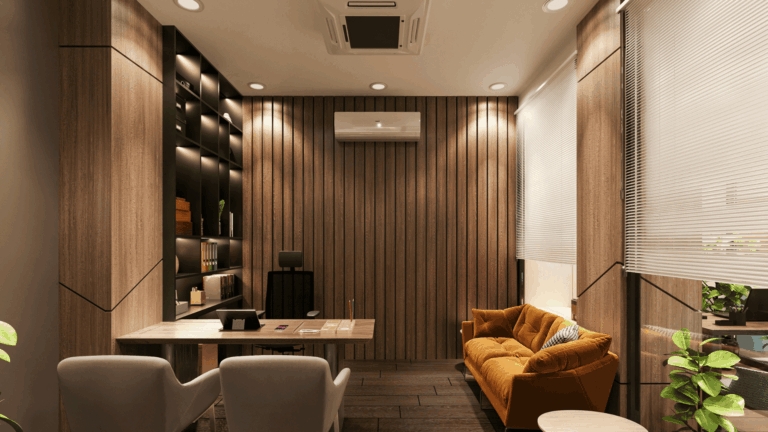
When it comes to eco-friendly décor, Cork wall Panels Interior solutions are quietly taking center stage. Designers and homeowners alike are discovering that cork isn’t just for bulletin boards—it’s a powerhouse material that blends beauty, comfort, and sustainability in one neat package. If you’re looking to refresh your home with something stylish yet practical, you’re in the right place.
Let’s dive deep into why cork wall panels are winning hearts—and walls—around the world.
Introduction to Cork as a Natural Interior Material

Cork is harvested from the bark of the cork oak tree, primarily grown in Mediterranean regions. The beauty of cork lies in its renewability. Unlike timber, harvesting cork doesn’t require cutting down the tree. Instead, the bark regenerates every 9–12 years. That’s nature doing its magic!
According to the World Wildlife Fund, sustainable harvesting practices like cork production help preserve biodiversity while supporting rural economies.
The Origins of Cork: From Mediterranean Forests to Modern Walls
Cork oak forests, especially in Portugal and Spain, play a crucial environmental role. They absorb carbon dioxide and support diverse wildlife. Once harvested, cork is processed into sheets or decorative panels, making its way from forests to your living room.
Why Designers Are Turning to Cork for Interiors
Interior designers are increasingly embracing cork due to:
- Its eco-conscious appeal
- Its warm, earthy texture
- Its versatility in modern and rustic settings
- Its natural sound-absorbing qualities
In today’s world, sustainability isn’t just a buzzword—it’s a lifestyle choice.
Key Benefits of Cork Wall Panels in Interior Design

Cork panels aren’t just pretty to look at. They’re functional, too.
Natural Soundproofing and Acoustic Performance
Cork’s cellular structure contains millions of tiny air pockets. This makes it excellent for reducing noise and controlling echoes. Whether you’re building a home office or a music room, cork panels help create a peaceful environment.
Thermal Insulation and Energy Efficiency
Cork acts as a thermal barrier. It helps maintain indoor temperatures, keeping rooms warmer in winter and cooler in summer. Over time, this can reduce energy costs.
Moisture Resistance and Indoor Air Quality
Cork naturally resists mold and mildew. Its breathable surface prevents condensation buildup, making it suitable for kitchens and even certain bathroom areas.
Cork Wall Panels Interior Styles and Finishes

Cork isn’t one-size-fits-all. It comes in a variety of styles.
Modern Minimalist Cork Walls
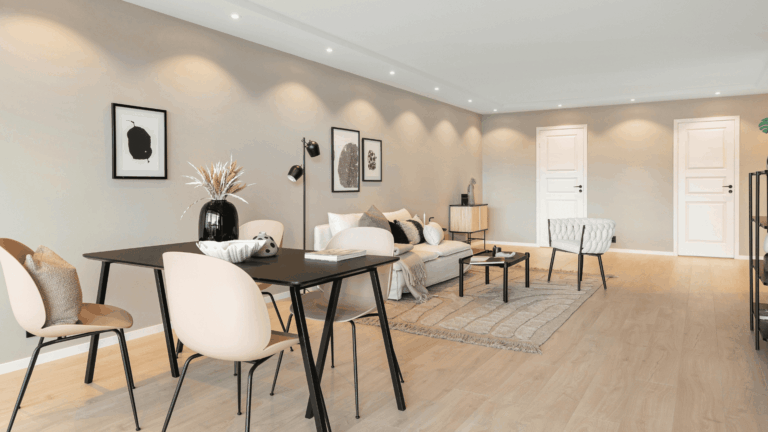
Smooth, light-toned cork panels complement Scandinavian-inspired spaces. Pair them with neutral furniture for a clean look.
Rustic and Biophilic Design Concepts
Cork fits beautifully into nature-inspired interiors. Combine it with plants, wooden furniture, and natural light to create a calming retreat.
3D Cork Wall Panels and Statement Walls
For a bold touch, opt for 3D cork panels. These textured designs add depth and create stunning focal points.
Installation Guide for Cork Wall Panels
Installing cork panels isn’t rocket science, but preparation is key.
DIY Installation vs Professional Fitting
DIY installation is budget-friendly and manageable with basic tools. However, professionals ensure precise alignment and longevity.
| Factor | DIY | Professional |
|---|---|---|
| Cost | Lower | Higher |
| Time | Moderate | Faster |
| Precision | Depends on skill | High accuracy |
Surface Preparation and Adhesives
Walls must be clean, dry, and smooth. Use recommended adhesives specifically designed for cork materials.
Maintenance After Installation
Maintenance is easy. Simply wipe with a damp cloth. Avoid harsh chemicals.
Cork Wall Panels Interior for Different Rooms

Living Rooms
Create a cozy accent wall behind your sofa. Cork adds warmth and texture instantly.
Bedrooms
Because cork absorbs sound, it’s perfect for bedrooms. Say goodbye to outside noise!
Home Offices
Cork panels enhance focus by reducing echo and distractions.
Sustainability and Environmental Impact
Cork harvesting supports environmental preservation. The cork oak tree continues growing even after bark removal.
Renewable Harvesting Practices
Trees can live over 200 years, providing repeated harvest cycles.
Eco-Certifications and Green Building Standards
Cork products often meet LEED standards, contributing to green building certifications.
Cost Analysis and Budget Planning

Cork wall panels range from moderate to premium pricing. While initial costs may be higher than synthetic panels, long-term savings from insulation benefits balance the investment.
Comparing Cork to Wood and PVC Panels
- Cork: Sustainable, soundproof, insulating
- Wood: Classic but less renewable
- PVC: Affordable but not eco-friendly
Common Myths About Cork Wall Panels
Myth 1: Cork is fragile.
Reality: High-density cork is surprisingly durable.
Myth 2: Cork burns easily.
Reality: Cork has natural fire-resistant properties.
FAQs
Are cork wall panels suitable for humid climates?
Yes, cork resists moisture and mold when properly sealed.
How long do cork panels last?
With proper care, they can last 20+ years.
Can cork panels be painted?
Yes, but many prefer their natural texture.
Do cork panels attract insects?
No, cork naturally repels pests.
Are cork panels safe for children’s rooms?
Absolutely. They’re non-toxic and soft to touch.
Is cork environmentally friendly?
Yes, it’s one of the most sustainable materials available.
Conclusion
All things considered, cork wall panels are a smart, stylish, and sustainable choice. They offer comfort, durability, and environmental responsibility—all rolled into one natural material.