15 Smart & Stylish Convertible Sofa Bed Designs That Transform Small Spaces
Convertible Sofa Bed Designs explained in a practical, expert-backed guide covering styles, comfort, space-saving benefits, and smart buying tips for modern homes.
Introduction to Convertible Sofa Bed Designs

Convertible sofa bed designs have quietly become one of the smartest furniture solutions in modern homes. As living spaces grow smaller and lifestyles become more flexible, homeowners are no longer looking for furniture that does just one job. Instead, they want pieces that adapt, save space, and still look good doing it. A convertible sofa bed does exactly that—it offers comfortable seating during the day and transforms into a functional sleeping surface at night without demanding extra room.
Not so long ago, sofa beds had a bad reputation. They were bulky, difficult to convert, and often uncomfortable to sleep on. Today, things are very different. Modern convertible sofa bed designs focus on thoughtful engineering, improved materials, and clean aesthetics. Many designs now blend seamlessly into contemporary interiors, making it hard to tell whether you are looking at a sofa or a bed until it is unfolded.
The rise of apartment living, home offices, and multi-use rooms has fueled the demand for such furniture. A living room might double as a guest room, or a study might occasionally become a sleeping space for visitors. In these situations, convertible sofa beds are not just convenient—they are essential. They allow people to make the most of every square foot without sacrificing comfort or style.
Another key reason for their popularity is affordability and practicality. Instead of buying a sofa and a separate bed, homeowners can invest in one well-designed piece that serves both purposes. According to design experts and furniture manufacturers, multifunctional furniture is one of the fastest-growing segments in the global furniture market, driven by urbanization and changing family structures.
In this detailed guide, you will explore how convertible sofa bed designs work, the different types available, and what makes a high-quality option worth the investment. Whether you live in a compact apartment, frequently host guests, or simply want a flexible living space, understanding these designs will help you make a confident and informed choice.
What Are Convertible Sofa Bed Designs?

At their core, convertible sofa bed designs are furniture pieces engineered to function as both a sofa and a bed. Unlike traditional sofas that serve only as seating, these designs include built-in mechanisms that allow the structure to change shape. With a few simple movements, a seating area becomes a sleeping surface suitable for short-term or even daily use.
What sets modern convertible designs apart is how seamlessly this transformation happens. Earlier models often relied on heavy metal frames and thin mattresses that compromised comfort. Today’s versions use improved hinges, folding systems, and layered cushioning to balance both seating and sleeping needs. The result is furniture that feels natural in both forms rather than like a compromise.
It is also important to understand how these designs differ from traditional sofa beds. Conventional sofa beds usually hide a separate mattress inside the sofa frame, which must be pulled out. In contrast, many modern convertible sofas use the cushions themselves as part of the sleeping surface. Click-clack sofas, futons, and modular sectionals all fall under this newer category, offering more design flexibility and easier operation.
Convertible sofa bed designs are especially popular in compact living environments. Studio apartments, rental units, and guest rooms benefit the most because space efficiency is critical. However, they are not limited to small homes. Even larger houses use them to create flexible rooms that can adapt to changing needs over time.
Ultimately, these designs reflect a broader shift in how people think about furniture. Instead of static pieces with fixed roles, furniture is now expected to evolve with daily life. Convertible sofa beds embody this idea perfectly, combining innovation, comfort, and practicality in one adaptable solution.
Types of Convertible Sofa Bed Designs
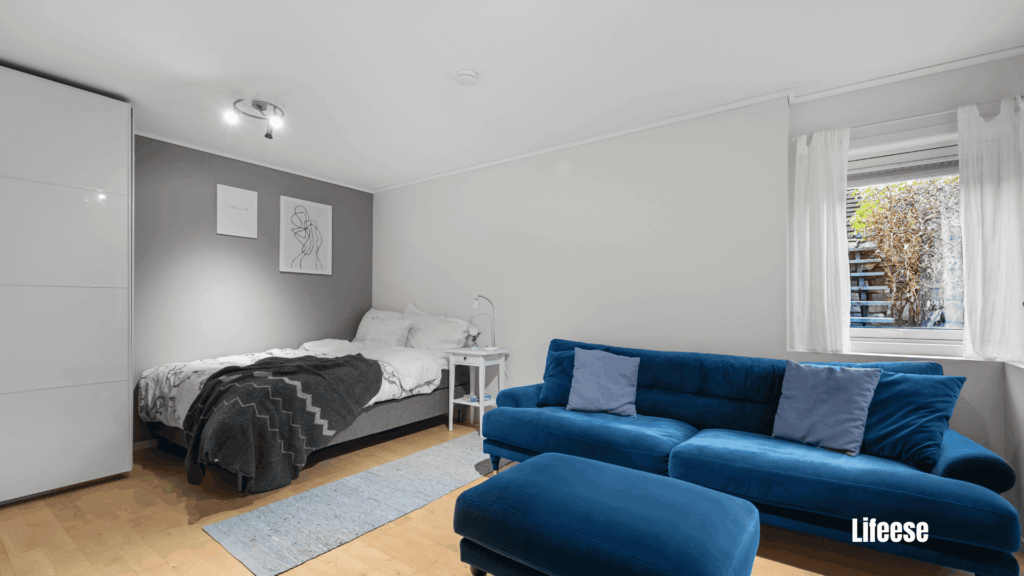
One of the biggest advantages of convertible sofa bed designs is the wide variety available. Different mechanisms, shapes, and layouts cater to different lifestyles and space requirements, making it easier to find a design that fits both functional and aesthetic needs.
Pull-out sofa beds are among the most familiar types. These designs hide a foldable mattress within the sofa frame. When needed, the mattress is pulled out and unfolded to create a sleeping surface. This type often offers better mattress support, making it suitable for guests who stay overnight frequently. However, it does require enough clearance space in front of the sofa.
Click-clack and fold-down designs are another popular option. These sofas convert by adjusting the backrest into a flat position. They are easy to use, lightweight, and ideal for smaller rooms. Futon-style sofas fall into this category and are often favored for their simplicity and minimalist appeal.
Sectional sofa beds with storage take versatility to the next level. These designs not only convert into beds but also include hidden storage compartments for bedding, pillows, or seasonal items. For families or people living in apartments with limited storage, this type offers exceptional value and organization.
Each type has its own strengths, and the best choice depends on how often the bed will be used, how much space is available, and what level of comfort is required. Understanding these differences helps ensure that the final selection meets both everyday and occasional needs without regret.
Materials Used in Convertible Sofa Bed Designs
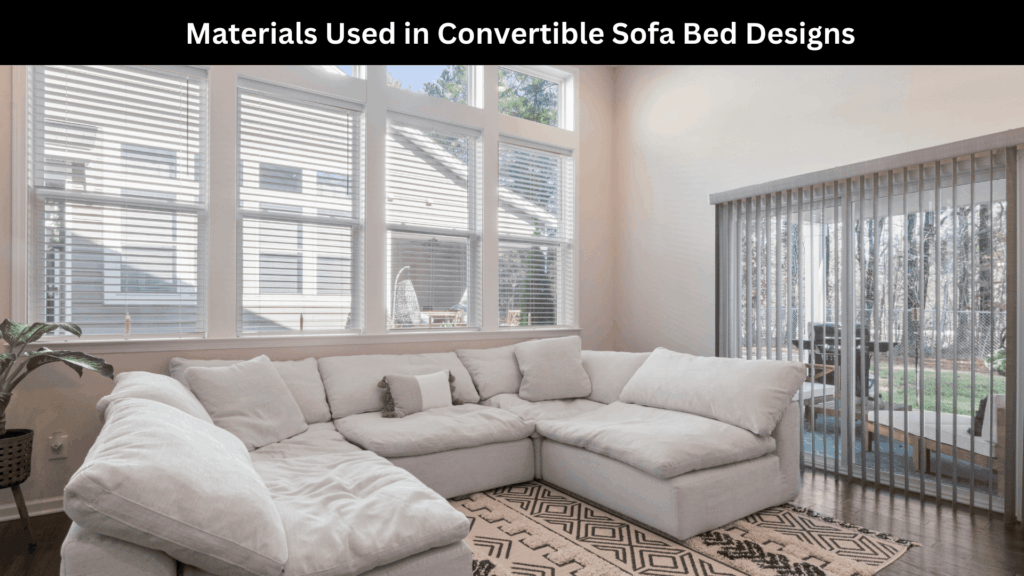
The quality of a convertible sofa bed largely depends on the materials used in its construction. Since the furniture must handle frequent movement and weight shifts, durability is just as important as appearance.
Frames are typically made from solid wood, engineered wood, or metal. Solid hardwood frames offer strength and longevity, while metal frames provide stability and a slimmer profile. High-quality designs often combine both materials to balance durability and flexibility.
Upholstery plays a major role in comfort and maintenance. Fabric options range from cotton blends and linen to microfiber and performance fabrics designed to resist stains. Leather and faux leather add a premium look and are easier to clean, though they may feel firmer for sleeping.
Cushioning and mattress materials have also improved significantly. High-density foam, memory foam layers, and spring-supported bases help ensure comfort in both sofa and bed modes. A well-designed convertible sofa bed should not feel like a compromise—it should support the body properly whether sitting or sleeping.
FAQs
Are convertible sofa beds comfortable for daily sleeping?
Yes, many modern designs are built with high-density foam and supportive mechanisms that make them suitable for regular use.
How long do convertible sofa beds last?
With proper care and quality materials, a good model can last 7–10 years or more.
Do convertible sofa beds damage floors?
High-quality designs include protective feet or rollers to prevent floor damage.
Are they suitable for small apartments?
Absolutely. They are specifically designed to maximize space efficiency.
Is assembly difficult?
Most designs require minimal assembly, and many come with clear instructions.
Where can I learn more about space-saving furniture trends?
Authoritative design resources such as Architectural Digest provide valuable insights into multifunctional furniture trends: https://www.architecturaldigest.com
Conclusion
Convertible sofa bed designs represent a thoughtful response to modern living challenges. They combine comfort, flexibility, and smart design in a way that supports changing lifestyles and limited space. As materials, mechanisms, and aesthetics continue to improve, these multifunctional pieces are set to become even more central to home design.