Powerful & Serene Coastal Bedroom Color Palette: 17 Expert-Approved Ideas That Truly Transform Your Space
Coastal Bedroom Color Palette explained with expert-backed ideas, calming hues, and practical styling tips to create a peaceful, beach-inspired retreat that feels timeless and fresh.
Understanding the Essence of Coastal Bedroom Design

A coastal bedroom is more than a decorative trend—it’s a lifestyle expression rooted in calmness, simplicity, and a deep connection to nature. The Coastal Bedroom Color Palette draws inspiration from the sea, sand, sky, and sun, creating a restful environment that feels open and breathable. From an experiential standpoint, homeowners often report better relaxation and sleep quality in coastal-themed bedrooms due to their soft hues and visual balance.
Unlike loud or overly dramatic color schemes, coastal palettes are intentionally understated. They aim to reflect natural light, soften harsh edges, and encourage a sense of retreat. Designers with decades of interior experience agree that the emotional impact of color is strongest in bedrooms, making thoughtful palette selection essential.
Coastal vs Nautical: Key Differences in Color Philosophy
While often confused, coastal and nautical styles differ significantly. Nautical designs rely heavily on bold contrasts—navy, red, and crisp white—evoking maritime imagery. Coastal design, however, is gentler and more organic. It leans into sun-faded tones, weathered finishes, and subtle transitions between colors. Understanding this distinction helps avoid overly themed results.
Why Color Choice Matters in Coastal Bedrooms
Color sets the emotional tone of a bedroom. In coastal interiors, hues are chosen to reduce stress and enhance serenity. Soft blues lower heart rates, sandy neutrals promote grounding, and warm whites create openness. When combined thoughtfully, these shades foster trust, comfort, and timeless appeal.
Foundations of a Coastal Bedroom Color Palette

At its core, a Coastal Bedroom Color Palette begins with neutrals. These foundational shades provide balance and flexibility, allowing accent colors to shine without overwhelming the space.
Whites, Ivories, and Soft Neutrals as Base Colors
White walls are a hallmark of coastal bedrooms, but not all whites are equal. Ivory, cream, and off-white tones add warmth and prevent sterility. These shades reflect natural light beautifully, making rooms feel larger and fresher.
Warm vs Cool Undertones in Coastal Neutrals
Choosing the right undertone is crucial. Warm whites pair well with sandy beiges and wood textures, while cooler whites complement blues and grays. Designers often test paint samples throughout the day to observe lighting changes before finalizing a choice.
Ocean-Inspired Blues and Aquatic Hues
Blue is synonymous with coastal design, yet its use requires restraint. The goal is to echo the sea, not replicate it literally.
Light Blue, Aqua, and Seafoam Green
Soft blues and greens bring freshness and clarity. These shades work beautifully on accent walls, bedding, or upholstered headboards. Seafoam green, in particular, adds a spa-like quality that enhances relaxation.
How to Balance Blue Without Overcooling the Space
Too much blue can feel cold. Balance it with warm woods, woven textures, and creamy whites. This layering technique is widely recommended by coastal design professionals.
Sandy Beiges and Driftwood Tones

Earthy hues inspired by sand and driftwood ground a coastal bedroom and prevent it from feeling flat.
Creating Warmth with Earthy Coastal Shades
Beige, taupe, and light tan introduce warmth and versatility. These shades pair effortlessly with blues and whites, creating harmony.
Layering Texture to Enhance Neutral Palettes
Textures—linen bedding, jute rugs, rattan furniture—add depth where color remains subtle. Texture is the unsung hero of coastal interiors.
Sun-Washed Pastels for a Relaxed Coastal Feel
Pastels add personality without overpowering the space.
Blush, Lavender, and Muted Coral Accents
Used sparingly, these colors echo seaside sunsets and coastal flora. They work best in throw pillows, artwork, or accent chairs.
Bold Accents in a Coastal Bedroom
While coastal design favors softness, bold accents can anchor the space.
Navy, Teal, and Deep Ocean Blues
Dark blues add sophistication when used in moderation—think feature walls or statement furniture.
Using Dark Colors Without Losing Airiness
Pair dark hues with reflective surfaces and light textiles to maintain openness.
Coastal Bedroom Color Palette for Small Spaces
Smaller bedrooms benefit greatly from coastal colors.
Light-Reflecting Colors and Visual Expansion
Whites and pale blues visually expand tight spaces. Mirrors and glossy finishes amplify this effect.
Lighting and Its Impact on Coastal Colors
Lighting can make or break a color scheme.
Natural Light vs Artificial Light Considerations
Coastal palettes thrive in natural light. For evenings, warm LED lighting preserves softness without yellowing whites.
Seasonal Adaptations of Coastal Color Schemes
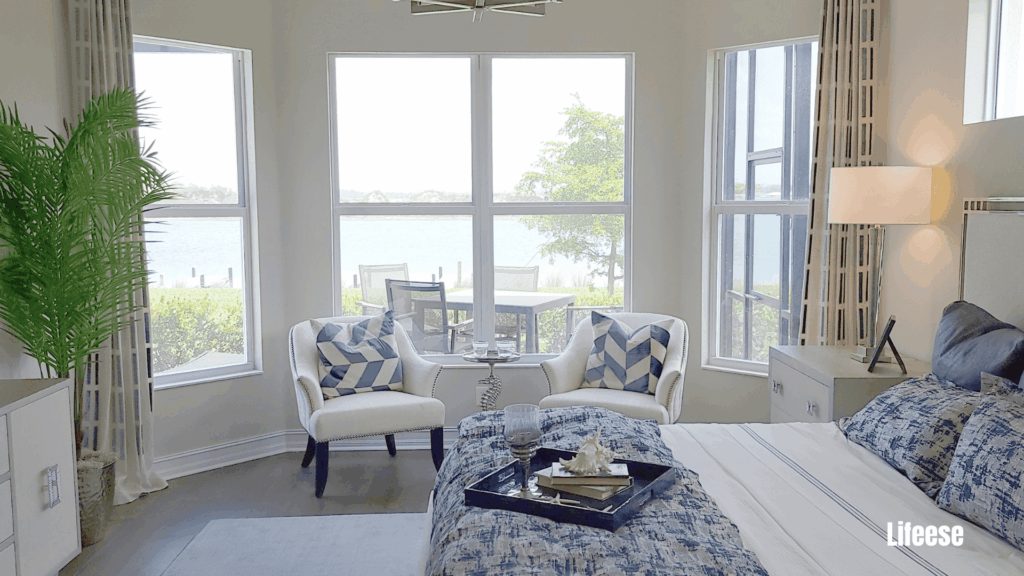
A well-designed coastal bedroom feels good year-round.
Summer Freshness vs Year-Round Balance
Layering allows easy seasonal updates—lighter textiles in summer, warmer throws in cooler months.
Accessories and Textiles That Support Coastal Colors
Accessories complete the story.
Bedding, Rugs, Curtains, and Wall Art
Choose breathable fabrics and subtle patterns. Nature-inspired art reinforces authenticity.
Common Mistakes to Avoid in Coastal Color Design
Overusing Blue or Going Too Thematic
Avoid seashell overload or excessive navy. Subtlety ensures longevity.
Sustainable and Modern Coastal Color Trends

Eco-Friendly Paints and Timeless Palettes
Low-VOC paints and sustainable materials support healthier living. According to the U.S. Environmental Protection Agency, eco-friendly paints improve indoor air quality and long-term comfort.
FAQS
What is the best base color for a coastal bedroom?
Warm white or soft ivory works best as a versatile base.
Can gray be used in a coastal bedroom?
Yes, light gray with warm undertones pairs well with blues and beiges.
How many colors should a coastal bedroom have?
Ideally three to five complementary shades.
Are coastal bedrooms only suitable for beach houses?
Not at all. They work beautifully in urban and suburban homes.
What flooring suits coastal bedrooms?
Light wood, whitewashed finishes, or neutral carpets.
How do I modernize a coastal color palette?
Use cleaner lines, minimal décor, and muted accents.
Conclusion
Designing a bedroom around a Coastal Bedroom Color Palette is ultimately about creating balance—between light and warmth, calm and character, simplicity and comfort. When inspired by nature and applied with intention, coastal colors transform an ordinary bedroom into a soothing retreat that feels open, breathable, and timeless.
By grounding your space with soft whites and sandy neutrals, layering in ocean-inspired blues, and finishing with subtle textures and natural materials, you achieve a look that is both elegant and deeply relaxing. Thoughtful lighting, mindful accents, and restrained use of bolder tones ensure the room remains airy rather than themed. Most importantly, coastal color palettes adapt beautifully to different room sizes, lighting conditions, and seasons, making them a lasting choice rather than a passing trend.