Built-in Window Seat Storage: 21 Smart & Stunning Ideas That Transform Small Spaces
Built-in Window Seat Storage ideas that save space, boost comfort, and add timeless style—discover smart designs, costs, materials, and expert tips.
Built-in Window Seat Storage is one of those rare home features that feels both luxurious and practical. From cozy reading corners to hidden storage benches, this design solution blends comfort, beauty, and function in a way few furniture pieces can. Homeowners, designers, and architects alike value it because it transforms unused window areas into purposeful living spaces—without clutter.
At its core, Built-in Window Seat Storage combines seating with concealed or open storage beneath a window sill. This approach maximizes square footage, enhances natural light, and adds architectural charm. In smaller homes and apartments, it can replace bulky cabinets. In larger homes, it creates inviting nooks that encourage rest, reflection, and connection with the outdoors.
What makes this idea especially appealing is its versatility. You can design it for modern minimalism, classic cottage charm, or sleek contemporary interiors. With thoughtful planning, it becomes more than furniture—it becomes part of the home’s structure.
Understanding Built-in Window Seat Storage
Built-in window seat storage refers to a permanently installed seating unit positioned beneath or around a window, incorporating drawers, lift-up compartments, or shelving underneath. Unlike movable benches, these seats are custom-fitted, offering a seamless, integrated look.
Definition and Core Purpose
The main goal is dual-purpose living: seating plus storage. Shoes, books, toys, blankets, and seasonal items can all be tucked away neatly, reducing visible clutter.
Why Homeowners Choose Window Seat Storage
People choose this feature because it uses space that would otherwise be wasted. Window areas often remain underutilized, yet they receive the best daylight. Turning them into seating zones makes rooms feel brighter and more welcoming.
Functional vs Decorative Seating
Some window seats are built primarily for storage efficiency, while others emphasize comfort and visual appeal. The best designs strike a balance—comfortable cushions on top, practical compartments below.
History and Evolution of Window Seats
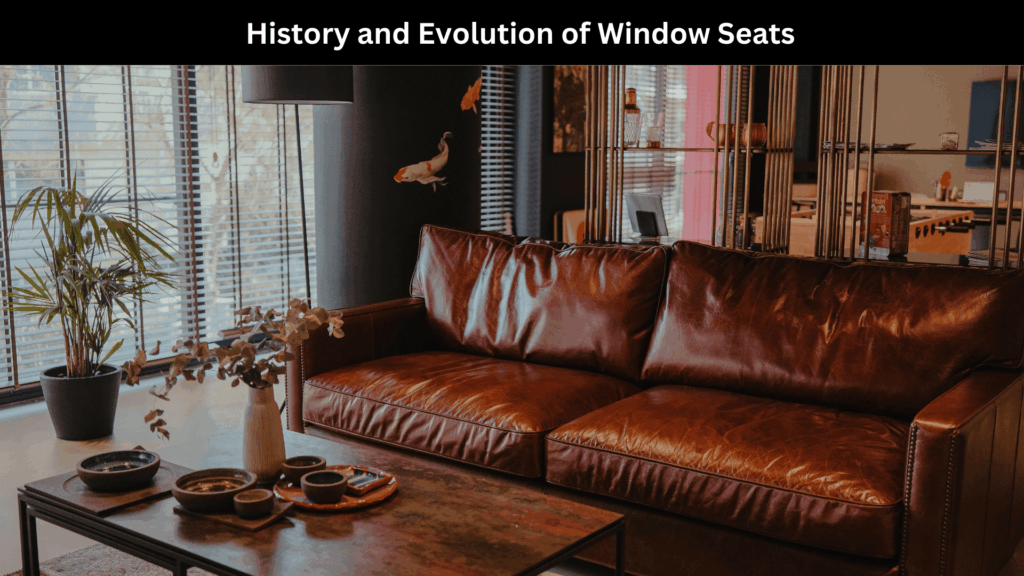
Window seats are not a modern invention. They date back centuries and were once symbols of status and craftsmanship.
Traditional Architectural Roots
In classic European homes, deep window seats were built into thick stone walls. They provided warmth, light, and a quiet place to read or converse.
Modern Interpretations in Interior Design
Today, the concept has evolved. Modern Built-in Window Seat Storage incorporates clean lines, hidden hardware, and smart storage mechanisms. Designers now integrate power outlets, LED lighting, and ergonomic cushions to meet contemporary needs.
Benefits of Built-in Window Seat Storage
This feature delivers benefits beyond aesthetics.
Space Optimization in Small Homes
In compact spaces, every inch counts. Built-in storage beneath seating eliminates the need for extra cabinets or shelves.
Natural Light and Comfort Enhancement
Sitting near a window boosts mood and reduces reliance on artificial lighting. It’s a simple way to bring calm and comfort into daily life.
Ideal Rooms for Window Seat Storage

Almost any room with a window can benefit.
Living Rooms and Family Areas
Here, window seats act as extra seating during gatherings while hiding board games, throws, or media accessories.
Bedrooms and Reading Nooks
In bedrooms, they become peaceful retreats—perfect for morning routines or winding down at night.
Kitchens, Hallways, and Bay Windows
In kitchens, they double as breakfast seating. In hallways, they store shoes. Bay windows are especially ideal, as their shape naturally frames seating areas.
Types of Built-in Window Seat Storage Designs
Design choice affects usability.
Lift-Up Lid Storage Benches
These offer large, uninterrupted storage spaces—great for bulky items like bedding.
Drawer-Based Window Seats
Drawers provide easy access and organization, ideal for everyday items.
Open Shelving and Cubby Styles
Best for decorative storage, books, or baskets, offering quick visibility and access.
Materials and Finishes for Window Seat Storage
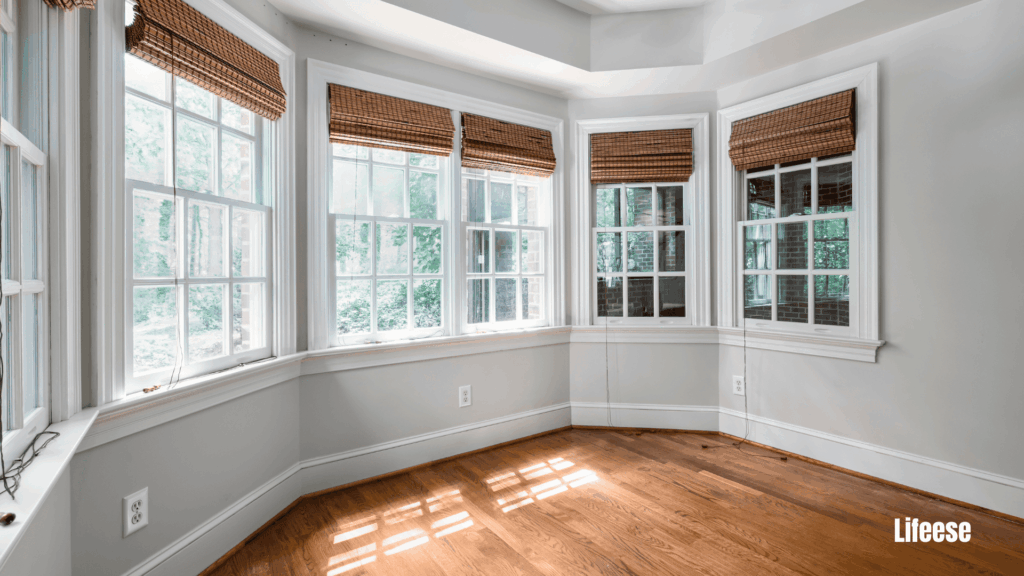
Material choice determines durability and style.
Wood, MDF, and Plywood Options
Solid wood offers longevity, while MDF and plywood provide budget-friendly, stable alternatives.
Paint, Stain, and Upholstery Choices
Neutral paints brighten rooms, while stained wood adds warmth. Upholstery fabrics should balance comfort and durability.
Cushioning, Fabrics, and Comfort
Comfort should never be an afterthought.
Foam Types and Ergonomic Support
High-density foam ensures long-term comfort without sagging.
Fabric Durability and Maintenance
Choose stain-resistant, breathable fabrics—especially in family homes.
Custom vs Prefabricated Window Seat Storage
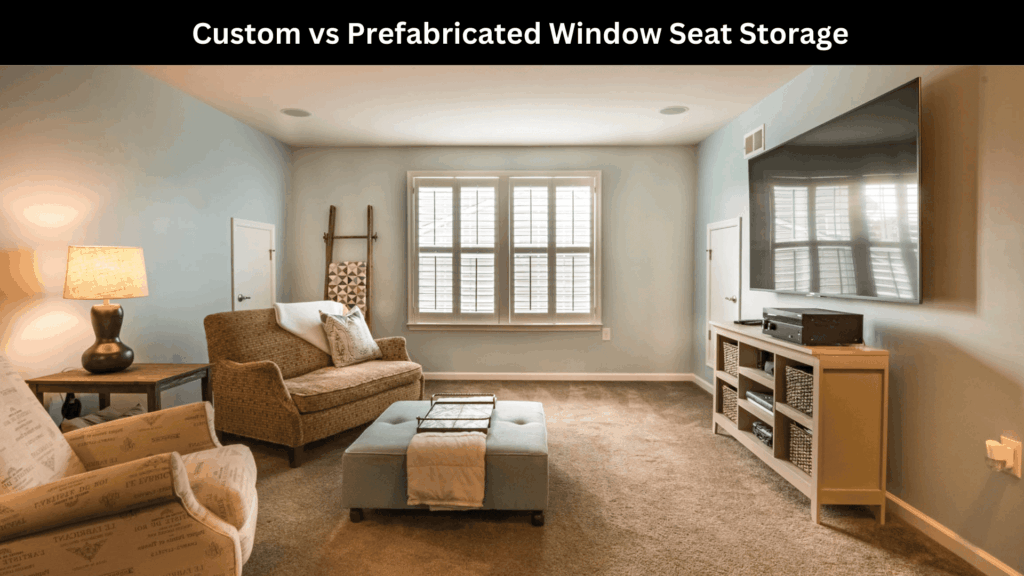
Cost, Fit, and Design Flexibility
Custom designs fit perfectly but cost more. Prefabricated options are affordable yet limited in sizing.
Pros and Cons Comparison
Custom equals precision; prefabricated equals speed and savings.
FAQS
Is built-in window seating suitable for small apartments?
Yes, it’s ideal for maximizing limited space.
How deep should a window seat be?
Typically 18–22 inches for comfort.
Can window seats include heating vents?
Yes, with proper ventilation planning.
Are they safe for children?
When built with soft-close hinges and rounded edges, absolutely.
What is the average cost?
Costs vary widely but often range from moderate to high depending on customization.
Do window seats add home value?
Yes, they enhance both function and visual appeal.
Conclusion
Built-in Window Seat Storage is more than a design trend—it’s a timeless solution that blends beauty, comfort, and practicality. Whether you live in a compact apartment or a spacious family home, this feature adds value by making better use of natural light and hidden space. With thoughtful design and quality materials, it becomes a lasting investment that improves everyday living.