17 Powerful Reasons to Love a Timeless Black and White Interior Scheme
Black and White Interior Scheme ideas explained with expert tips, practical examples, and timeless design inspiration for modern homes.
Introduction to Black and White Interior Design
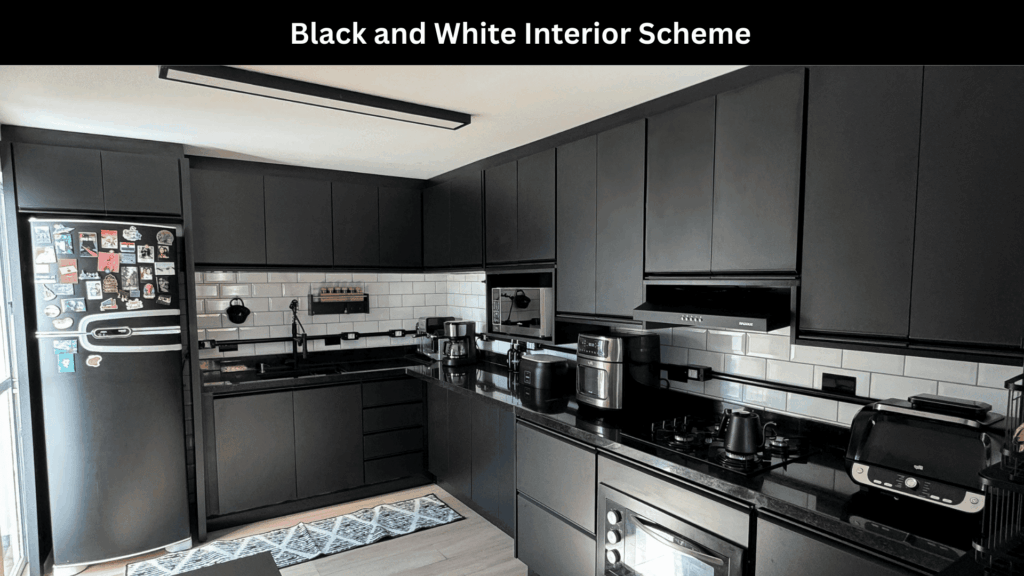
A Black and White Interior Scheme is one of the most powerful and timeless approaches to home design. It relies on two simple colors, yet it delivers endless possibilities. From modern apartments to classic family homes, this monochrome style has stood the test of time—and for good reason.
At first glance, black and white interiors may seem bold or even dramatic. But once you step into a well-designed monochrome space, you quickly notice how balanced, calm, and elegant it feels. Black adds depth and strength, while white brings light, openness, and clarity. Together, they create a visual harmony that few other color combinations can match.
Another reason people love this design style is its flexibility. You can lean toward a modern minimalist look, a luxurious high-contrast aesthetic, or even a cozy and welcoming home filled with textures. The foundation stays the same, but the results can look completely different depending on how the scheme is applied.
Design professionals often recommend black and white interiors because they make decorating easier in the long run. Furniture, artwork, and accessories can be changed without reworking the entire room. This makes the scheme both practical and budget-friendly over time.
Most importantly, a monochrome interior never feels outdated. Trends may come and go, but black and white remain stylish year after year. That’s why homeowners, designers, and architects continue to rely on this classic pairing.
Why Monochrome Spaces Never Go Out of Style
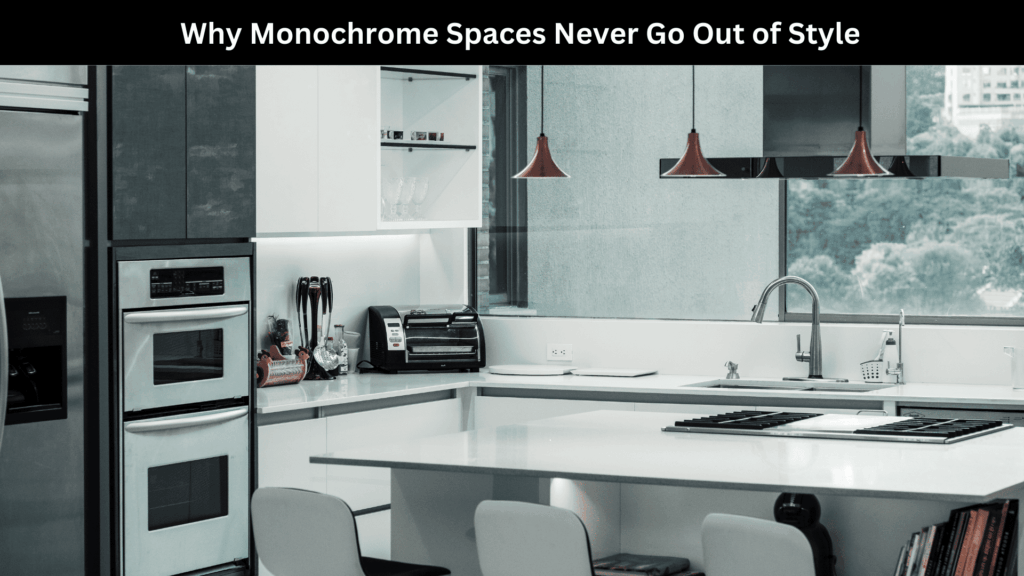
Black and white spaces succeed because they are rooted in contrast. The human eye naturally responds to contrast, which makes these interiors visually interesting without feeling overwhelming. Even simple rooms look intentional and well-designed when contrast is used correctly.
Another key reason for their lasting appeal is adaptability. A monochrome base allows seasonal updates with ease. Soft textiles in winter, fresh greenery in summer, or metallic accents during festive seasons all work beautifully against black and white backgrounds.
There’s also a strong emotional element. White spaces often feel clean and peaceful, while black elements add confidence and sophistication. When combined thoughtfully, they strike a perfect emotional balance—neither too cold nor too heavy.
Interior designers often point out that black and white interiors photograph exceptionally well. This makes them popular in magazines, social media, and design portfolios, further reinforcing their popularity and influence.
Psychological Impact of Black and White Color Palettes
Colors affect mood more than most people realize. White is associated with clarity, calmness, and simplicity. It reflects light, making spaces feel larger and more open. This is especially helpful in smaller homes or apartments.
Black, on the other hand, represents strength, elegance, and authority. Used in moderation, it grounds a space and adds a sense of luxury. Too much black can feel heavy, but when balanced with white, it creates comfort and confidence.
Together, these colors help create environments that feel organized and intentional. Many people find black and white spaces mentally calming because they reduce visual clutter and unnecessary distractions.
Historical Evolution of Black and White Interiors

Black and white interiors are not a modern invention. They have deep historical roots that stretch across centuries of design.
In classical European architecture, black and white marble floors symbolized wealth and sophistication. Later, the Art Deco movement embraced bold black lines and white surfaces to express glamour and progress. The Bauhaus movement then simplified these ideas, focusing on function, geometry, and clarity.
In modern times, Scandinavian and minimalist styles brought monochrome interiors back into the spotlight. Clean lines, natural light, and functional layouts made black and white a perfect match for contemporary living.
This long history proves one thing: black and white design adapts easily to cultural changes without losing its core identity.
Core Principles of a Black and White Interior Scheme
The success of a Black and White Interior Scheme depends on balance. Neither color should overpower the other. Instead, they should support each other visually.
Contrast is another essential principle. Sharp contrasts create drama, while softer contrasts feel calm and welcoming. Designers often play with different shades rather than pure black and bright white to achieve comfort.
Negative space, or empty space, is just as important. White areas give the eye a place to rest, allowing black features to stand out without feeling crowded.
Proportion matters too. Large surfaces are often kept white, while black is used for accents such as furniture, frames, lighting fixtures, or feature walls.
Living Room, Bedroom, Kitchen, and Bathroom Applications
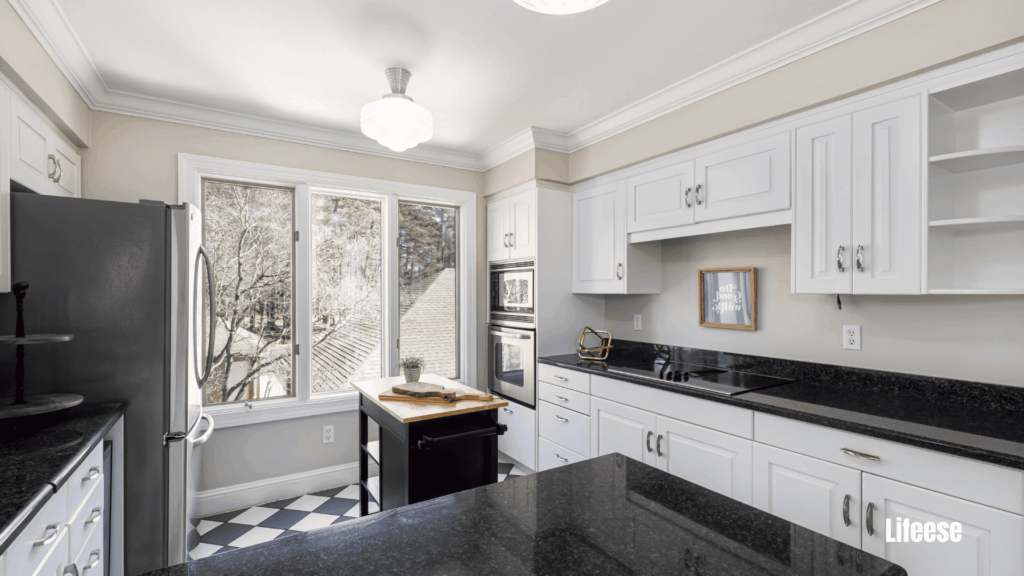
In living rooms, black and white schemes shine through furniture contrast, area rugs, and statement lighting. Bedrooms benefit from softer whites and textured blacks to create a restful mood.
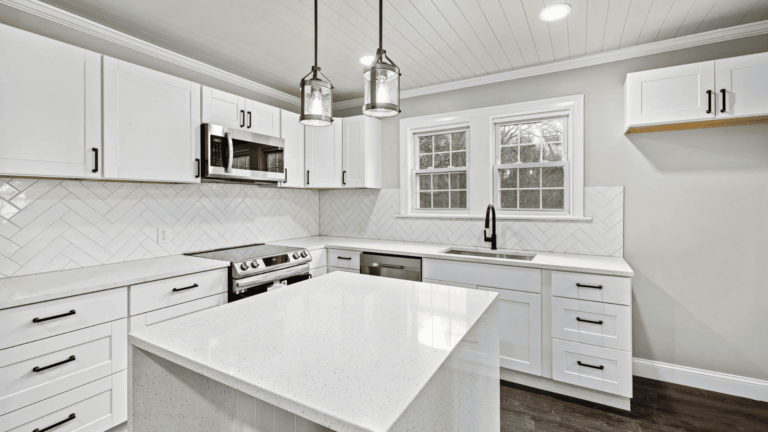
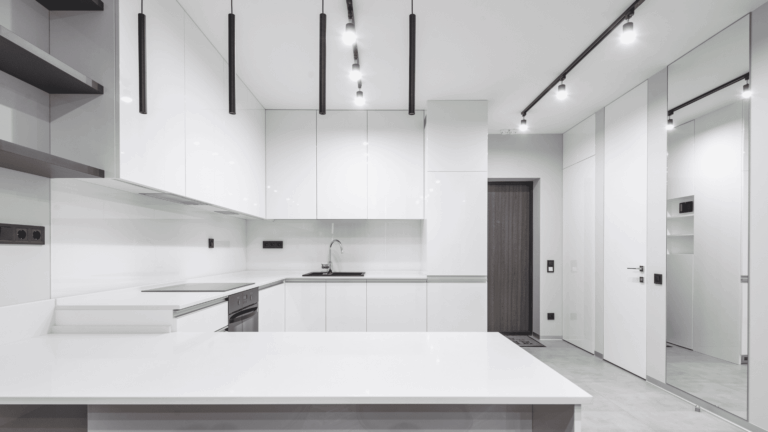
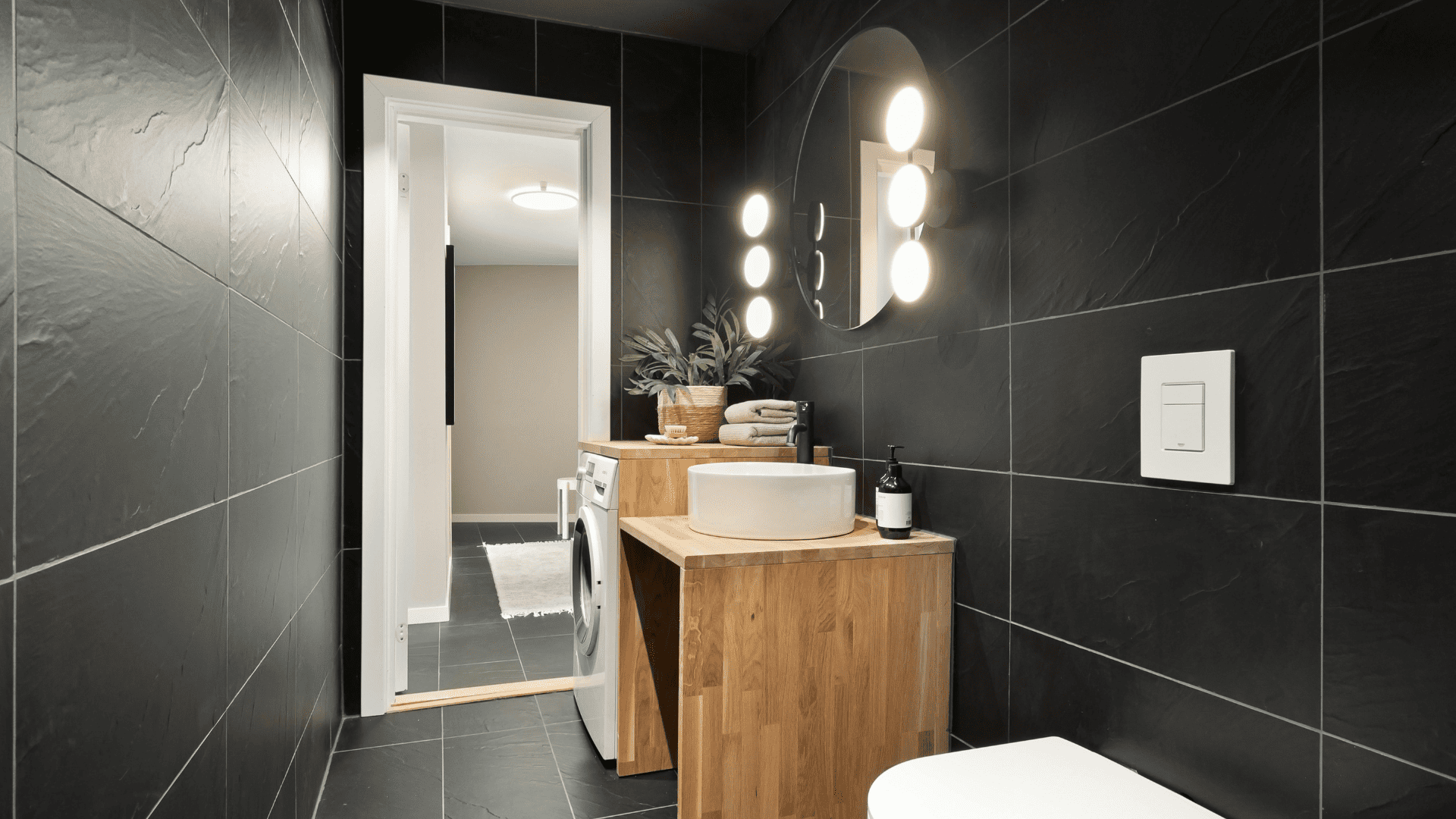
Kitchens often use white cabinets paired with black countertops or hardware for a clean, modern look. Bathrooms, meanwhile, become elegant and spa-like with black fixtures against white tiles.
Each room can interpret the scheme differently while still maintaining a cohesive home design.
Textures, Materials, and Lighting
Texture prevents monochrome interiors from feeling flat. Wood, marble, linen, leather, and metal all add depth. Lighting enhances contrast and highlights key features, especially in rooms with limited natural light.
According to design insights shared by Architectural Digest , layered lighting is essential in black and white spaces to maintain warmth and comfort.
Common Mistakes to Avoid

Overusing black, ignoring texture, or relying only on flat paint finishes can make spaces feel harsh. Comfort should never be sacrificed for style.
FAQs
Is a black and white interior suitable for small homes?
Yes, white helps open up small spaces while black adds structure.
Can I add color accents later?
Absolutely. Monochrome interiors are perfect for adding accents.
Does black make rooms feel smaller?
Only if overused. Balanced correctly, it adds depth.
Are black and white interiors hard to maintain?
They require regular cleaning but are manageable with the right materials.
Can this scheme work in traditional homes?
Yes, it adapts well to both modern and classic styles.
Is this design family-friendly?
With durable materials, it works well for families.
Conclusion
A Black and White Interior Scheme offers timeless beauty, flexibility, and elegance. When designed with balance, texture, and thoughtful lighting, it creates a home that feels both stylish and comfortable. Whether you prefer modern minimalism or classic charm, this enduring color combination can truly transform your living space.