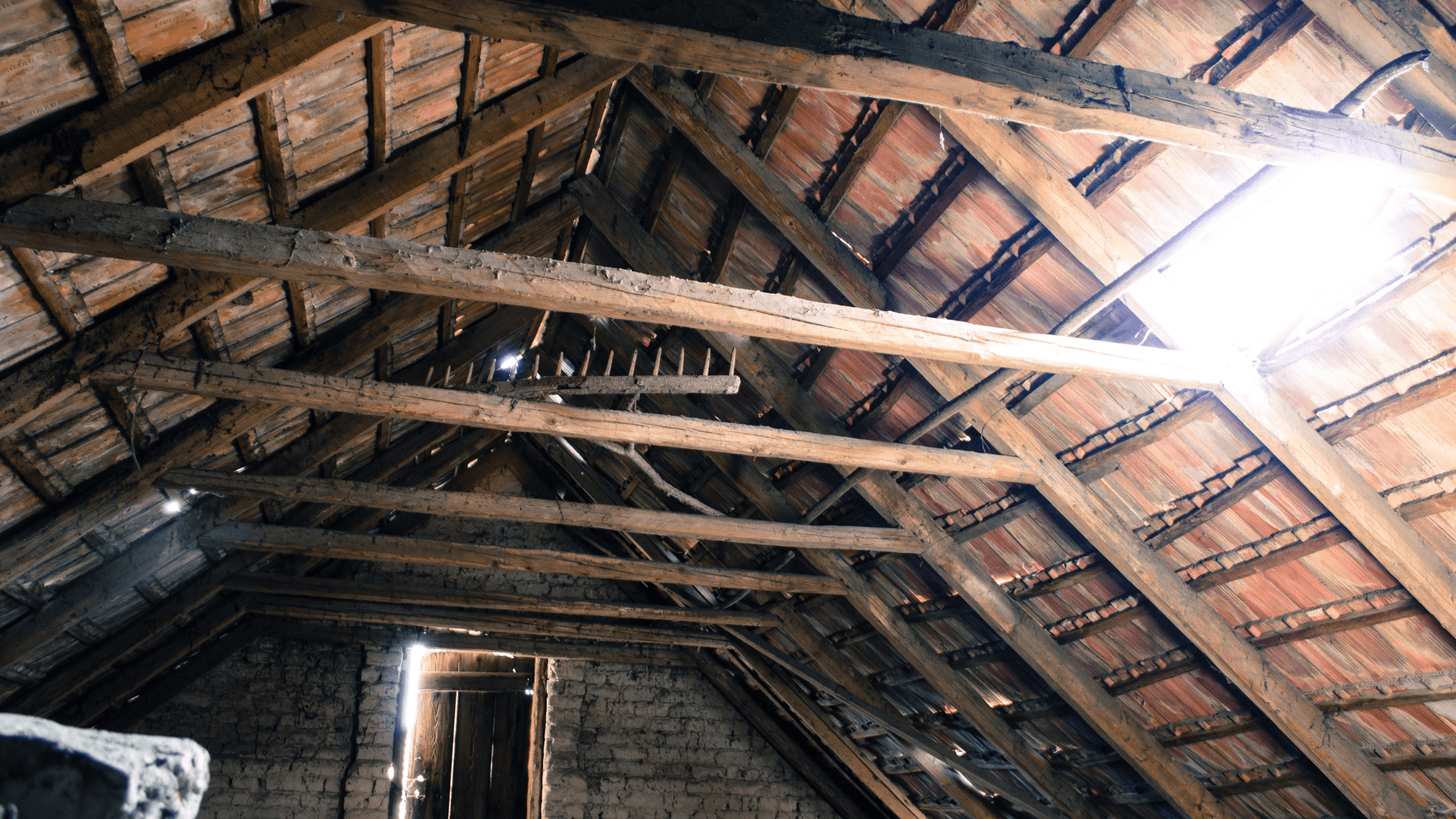
25 Brilliant Attic Conversion Ideas That Can Make or Break Your Home
Attic Conversion Ideas explained with expert insight, smart planning tips, and creative designs to help you transform unused roof space into a valuable living area.
Attic Conversion Ideas have become one of the most practical and rewarding ways to expand living space without changing a home’s footprint. Instead of moving to a larger house, homeowners are now looking upward, transforming dusty, unused attics into bright, functional rooms. Whether the goal is a cozy bedroom, a peaceful home office, or a playful family area, the right approach can completely change how a home feels and functions.
From my experience working with residential renovations, attic conversions often deliver the best balance between cost, usability, and long-term value. However, success depends on thoughtful planning, realistic budgeting, and choosing designs that suit both the structure of the house and the lifestyle of the people living in it. Let’s walk through everything you need to know, step by step, so your attic conversion becomes a smart investment rather than a costly mistake.
Understanding Attic Conversion Ideas and Their True Potential
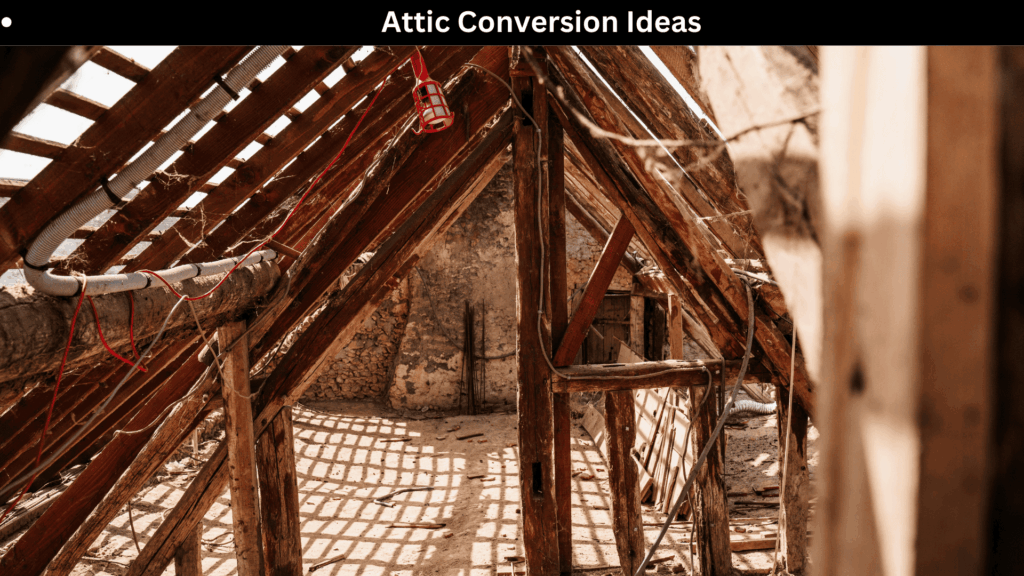
Attic conversions are more than just adding a room; they reshape how space is used within a home. Many houses already have enough vertical volume to support a conversion, yet that space often goes unused for years.
What Is an Attic Conversion and Why It Matters
An attic conversion involves transforming the area beneath the roof into a safe, habitable space. This can include structural reinforcement, insulation, lighting, ventilation, and interior finishes. The real value lies in turning “dead space” into a room that supports everyday life, without sacrificing garden space or altering the home’s external footprint too much.
Benefits of Converting an Attic Space
Increased Property Value and Usable Space
Real estate studies consistently show that a well-designed attic conversion can increase property value by 10–20%. Buyers are drawn to extra bedrooms, home offices, or flexible living areas, especially in urban locations where space is limited.
Energy Efficiency and Better Insulation
Modern attic conversions usually include upgraded insulation. This helps regulate indoor temperature, keeping the home warmer in winter and cooler in summer, which can reduce energy bills over time.
Planning Before You Start Your Attic Conversion
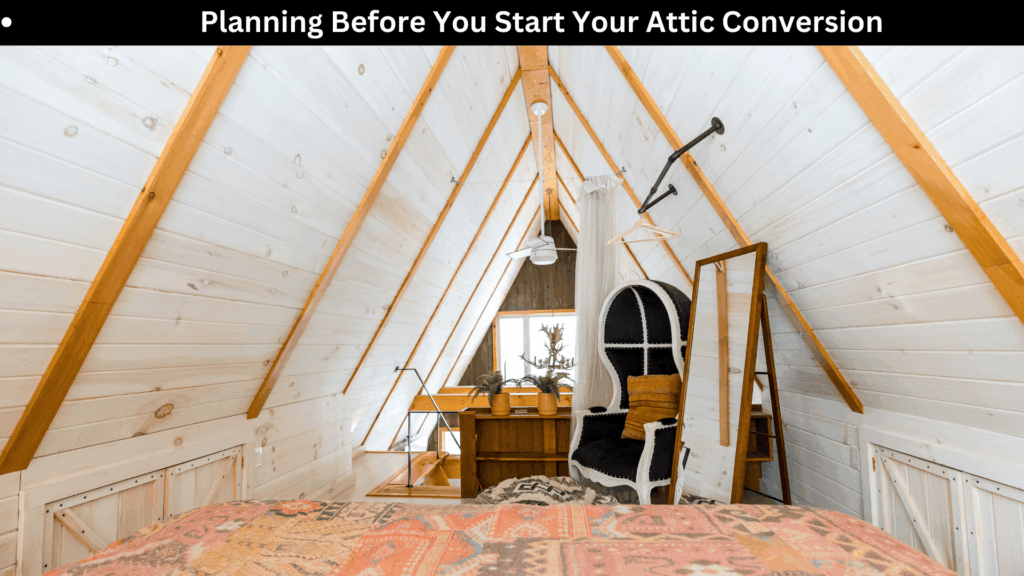
Good planning is the backbone of successful attic conversion ideas. Rushing into construction without understanding structural limits often leads to delays and unexpected costs.
Structural Integrity and Load-Bearing Capacity
Before any design decisions are made, a structural assessment is essential. Floors may need strengthening to support furniture and daily use. Roof structures must also be checked to ensure they can handle added loads.
Ceiling Height, Roof Pitch, and Headroom Rules
Minimum Height Requirements Explained
Most building regulations require a minimum ceiling height of around 2.2 meters at the highest point. This ensures comfort and safety.
Common Structural Challenges in Older Homes
Older houses often have low roof pitches or outdated framing methods. While these challenges aren’t deal-breakers, they may require creative solutions such as dormers or lowered ceilings below.
Types of Attic Conversion Ideas by Design
Choosing the right design style depends on roof shape, budget, and intended use.
Dormer Attic Conversion Concepts
Dormers extend outward from the roof, creating more headroom and usable floor space.
Flat Roof Dormers
These are cost-effective and provide excellent interior space, though exterior aesthetics should be carefully considered.
Gable and Shed Dormers
These options blend better with traditional architecture and often add natural light.
Mansard Attic Conversion Designs
Mansard conversions significantly alter the roof structure but offer maximum space. They’re ideal for homeowners seeking a full extra floor.
Hip-to-Gable Attic Conversion Options
Common in semi-detached houses, this design extends the sloping side roof into a vertical wall, improving internal layout.
Functional Attic Conversion Ideas for Daily Living
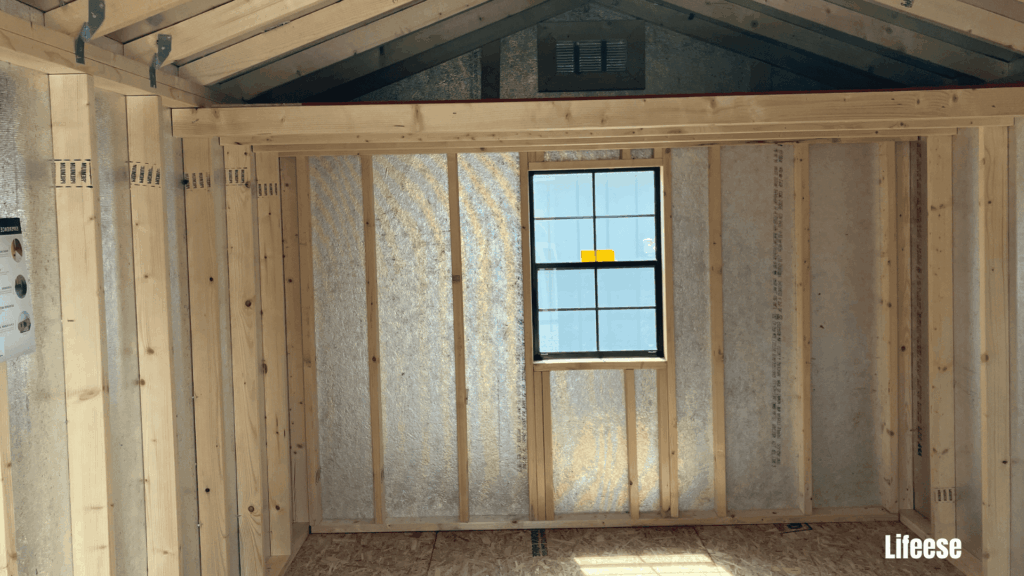
Functionality should guide design choices, not trends alone.
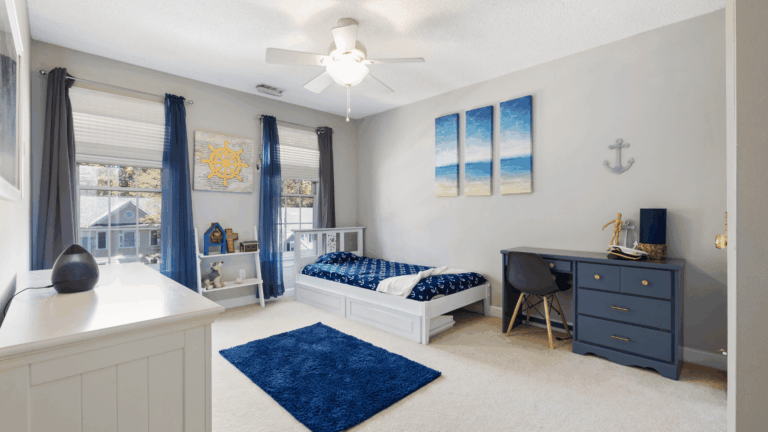
Attic Bedroom Ideas for Comfort and Privacy
Master Suite Attic Conversions
Attics make excellent master bedrooms due to their separation from busy living areas. Adding an ensuite bathroom enhances privacy and comfort.
Guest Bedroom Layouts
A guest room in the attic feels secluded and welcoming, especially when paired with soft lighting and thoughtful storage.
Attic Bathroom and Ensuite Solutions
Plumbing and Ventilation Considerations
Bathrooms require careful planning. Proper drainage gradients, ventilation fans, and waterproofing are critical for long-term durability.
Creative Attic Conversion Ideas for Work and Leisure
Attics are perfect for spaces that benefit from quiet and separation.
Home Office Attic Conversion Designs
Natural Light and Ergonomic Layouts
Roof windows provide daylight without glare, improving focus and productivity. Built-in desks and shelves help maintain a clean layout.
Attic Playroom and Family Room Concepts
Children love attic playrooms. Soft flooring, low storage units, and good lighting make the space safe and fun.
Home Gym and Yoga Studio Attic Ideas
Lightweight equipment, mirrors, and good ventilation turn an attic into a personal wellness retreat.
Smart Storage-Focused Attic Conversion Ideas
Storage often makes or breaks attic usability.
Built-In Storage and Wardrobes
Custom cabinets fitted into sloped ceilings maximize space without clutter.
Using Eaves and Sloped Ceilings
Eaves storage is ideal for seasonal items and keeps the main area open.
Hidden Storage Tricks for Small Attics
Sliding panels, lift-up benches, and recessed shelves are excellent solutions for compact spaces.
Lighting, Windows, and Ventilation in Attic Conversions
Light transforms how an attic feels.
Skylights vs Roof Windows
Roof windows offer views and ventilation, while skylights are great for bringing in consistent daylight.
Maximizing Daylight in Dark Attics
Positioning windows on both sides of the roof reduces shadows and improves balance.
Ventilation and Airflow Solutions
Proper airflow prevents condensation and maintains indoor air quality.
Cost, Budgeting, and Return on Investment
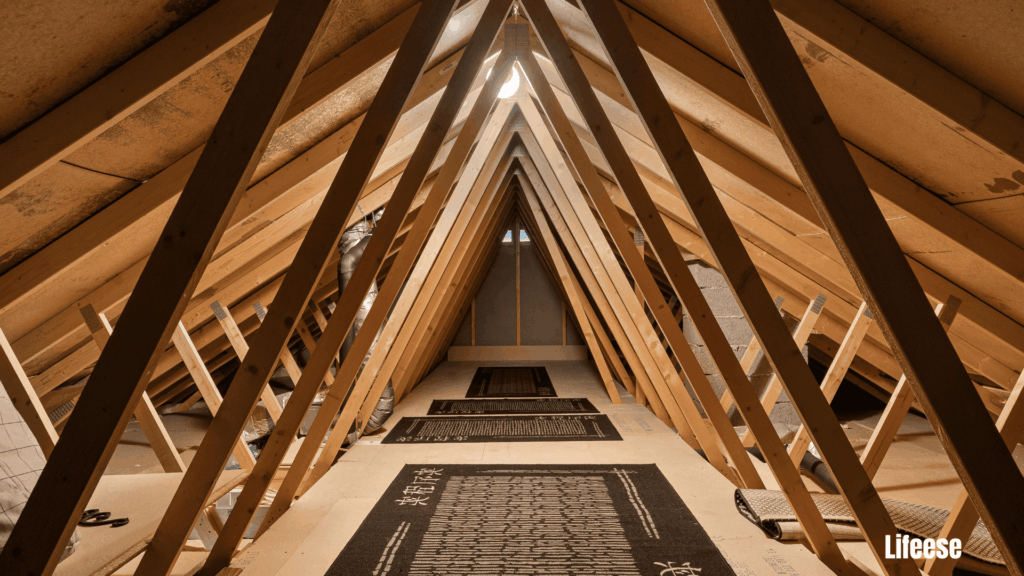
Average Costs of Attic Conversion Projects
Costs vary depending on design complexity, but most projects fall between moderate and high investment ranges.
Cost-Saving Attic Conversion Ideas
Using the existing roof structure and choosing standard materials helps control expenses.
Long-Term Value and ROI Expectations
Attic conversions often outperform extensions in terms of return on investment due to lower land and foundation costs.
Legal, Safety, and Building Regulation Essentials
Planning Permission and Building Codes
Some attic conversions fall under permitted development, but regulations vary. Always check local rules or consult professionals. A helpful reference is available from reputable housing authorities such as .
Fire Safety and Escape Routes
Fire-rated doors, smoke alarms, and safe stair access are non-negotiable requirements.
Sustainable and Energy-Efficient Attic Conversion Ideas
Insulation Materials and Thermal Performance
High-quality insulation reduces heat loss and improves comfort.
Eco-Friendly Design Choices
Using sustainable materials and energy-efficient windows lowers environmental impact.
Common Mistakes to Avoid When Converting an Attic
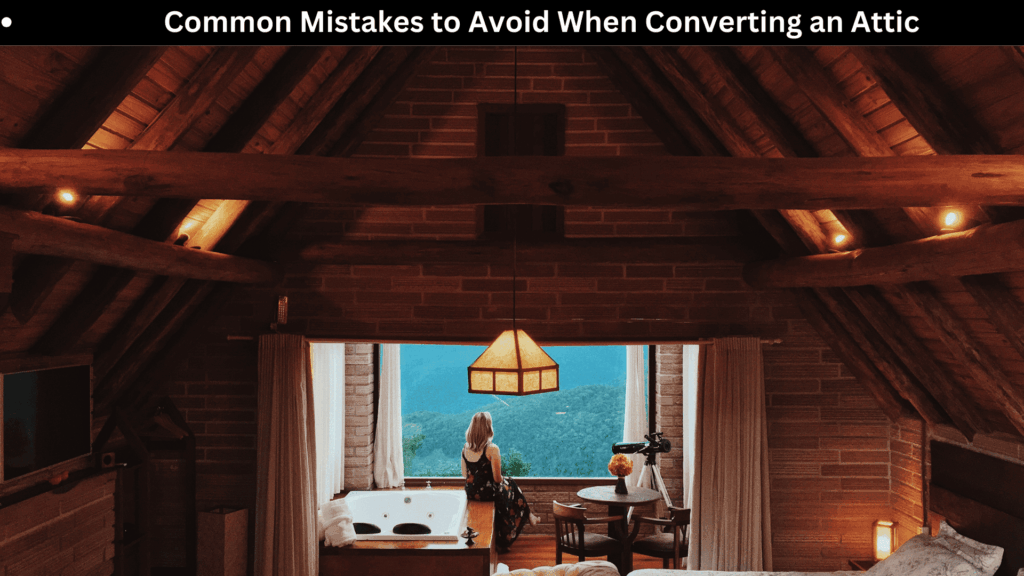
Poor Layout Planning
Ignoring furniture placement leads to awkward spaces.
Ignoring Structural and Safety Requirements
Skipping professional assessments often results in costly corrections later.
FAQs
Are attic conversions suitable for all homes?
Most homes can support a conversion, but structural assessments are essential.
How long does an attic conversion take?
On average, 6–10 weeks depending on complexity.
Do attic conversions need planning permission?
Some don’t, but regulations vary by location.
Is an attic conversion better than an extension?
Often yes, due to lower cost and faster completion.
Can an attic be used as a rental room?
Yes, if safety and legal standards are met.
What is the biggest challenge in attic conversions?
Managing headroom and natural light effectively.
Conclusion
Attic Conversion Ideas offer a powerful way to unlock hidden potential within a home. With smart planning, thoughtful design, and respect for safety standards, an attic can become one of the most loved spaces in the house. Whether the goal is comfort, creativity, or added value, the right approach ensures the transformation is both beautiful and practical, standing the test of time.