Acoustic Panel Wall Design: 15 Powerful Ideas to Transform Sound and Style
Acoustic panel Wall Design transforms interiors with superior sound control, stylish finishes, and smart innovation. Discover 15 powerful ideas to elevate your space today.
When it comes to modern interiors, Acoustic panel Wall Design isn’t just a luxury—it’s becoming a necessity. In today’s world of open floor plans, home offices, and busy commercial spaces, noise travels fast and lingers longer than we expect. Echoes bounce off hard surfaces, conversations overlap, and suddenly, comfort disappears. But here’s the good news: with the right acoustic strategy, you can completely transform how a room sounds and feels.
An effective Acoustic panel Wall Design blends science and style. It reduces unwanted noise while adding beauty, texture, and personality to your space. Whether you’re upgrading a cozy living room, designing a corporate meeting room, or planning a school renovation, acoustic panels can make a dramatic difference.
Let’s explore how this powerful design solution works—and how you can use it to create quieter, more comfortable spaces.
Understanding Acoustic Wall Solutions
Sound behaves in interesting ways indoors. When someone speaks or music plays, sound waves move through the air and bounce off walls, ceilings, and floors. Hard materials like glass, tile, and concrete reflect sound, causing echo and reverberation. Over time, that echo builds up and creates noise fatigue.
Acoustic wall panels absorb sound instead of reflecting it. They trap sound waves within soft, porous materials and reduce the amount that bounces back into the room.
How Sound Travels Indoors
Sound moves in waves. When these waves hit a surface, three things can happen:
- Reflection
- Absorption
- Transmission
In untreated rooms, reflection dominates. This leads to:
- Echo
- Distortion
- Reduced speech clarity
- Increased stress levels
By placing acoustic panels at key reflection points, you reduce reverberation time and improve clarity.
The Science Behind Noise Reduction Coefficient (NRC)
The Noise Reduction Coefficient (NRC) measures how much sound a material absorbs. Ratings range from 0 to 1:
- 0 = No absorption
- 1 = Full absorption
Most quality acoustic panels have NRC ratings between 0.70 and 0.95.
You can learn more about acoustic standards from the Acoustical Society of America, which sets research benchmarks for sound science.
Benefits of Installing Acoustic Panels on Walls
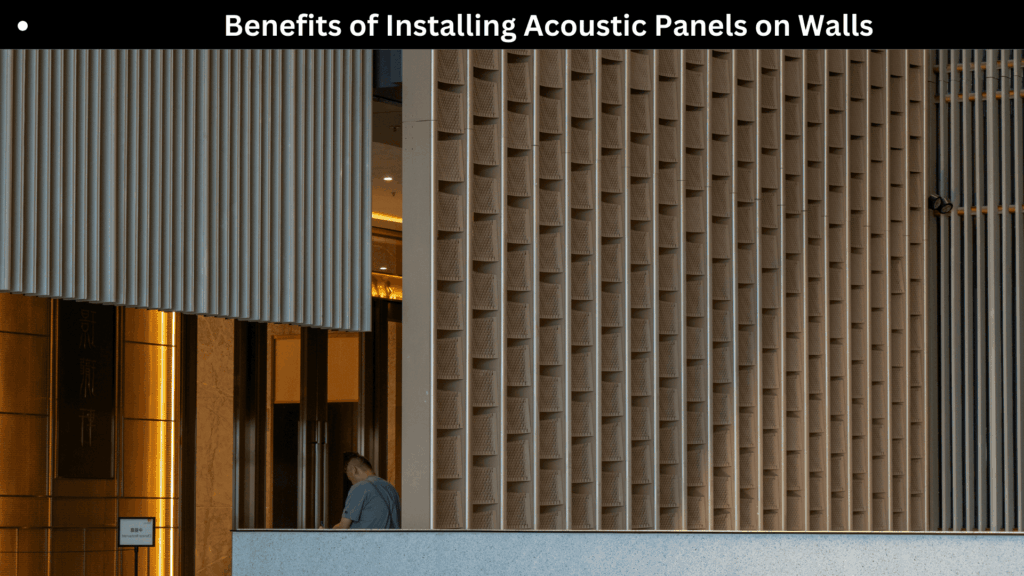
The advantages of well-planned Acoustic panel Wall Design go beyond noise control.
Residential Applications
In homes, acoustic panels:
- Improve home theater sound quality
- Reduce noise between rooms
- Enhance sleep in bedrooms
- Create peaceful living areas
Imagine watching your favorite movie without echo or distraction—what a difference!
Commercial and Office Applications
Open offices are notorious for noise distractions. Acoustic wall panels:
- Improve speech privacy
- Increase productivity
- Reduce stress
- Enhance meeting room clarity
Educational and Healthcare Environments
In schools and hospitals, clarity matters. Acoustic panels:
- Help students hear teachers clearly
- Reduce patient stress
- Improve communication accuracy
Types of Acoustic Panel Wall Design Materials
Choosing the right material is crucial.
Fabric-Wrapped Panels
- Soft finish
- High NRC rating
- Custom color options
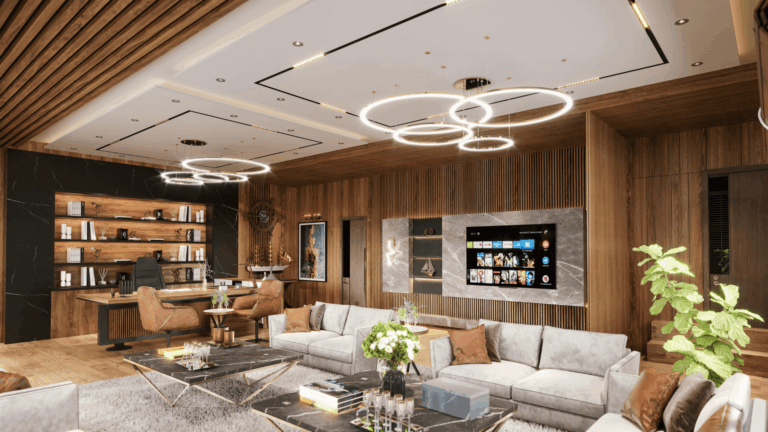
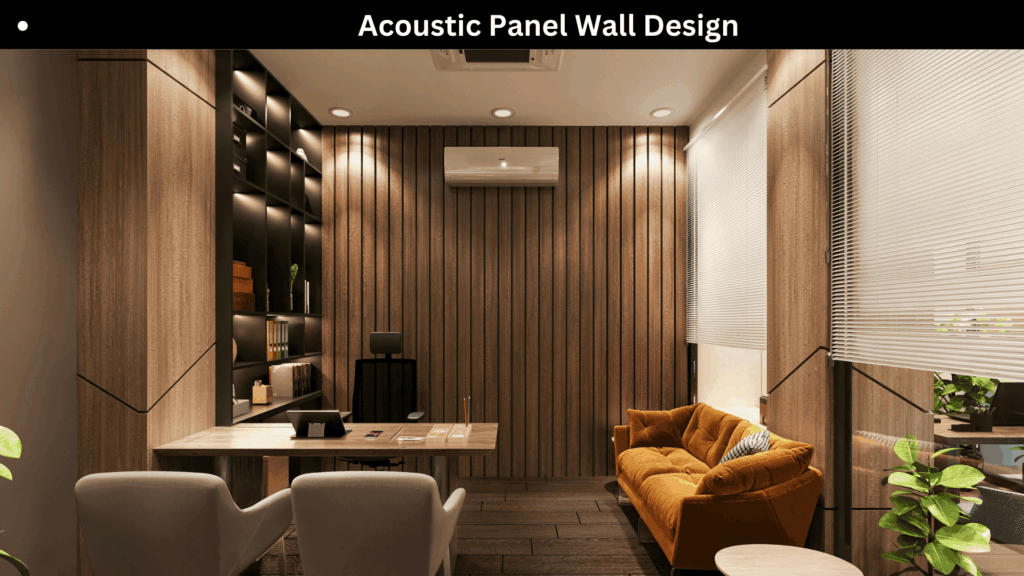
Wood Slat Panels
- Natural aesthetic
- Great for modern interiors
- Excellent diffusion qualities
PET Felt Panels
- Made from recycled plastic
- Lightweight
- Eco-friendly
Eco-Friendly Options
Sustainable materials include:
- Cork
- Recycled polyester
- Natural wool fibers
These options align with green building standards and may contribute to certifications like U.S. Green Building Council LEED programs.
Acoustic panel Wall Design Styles and Layout Concepts
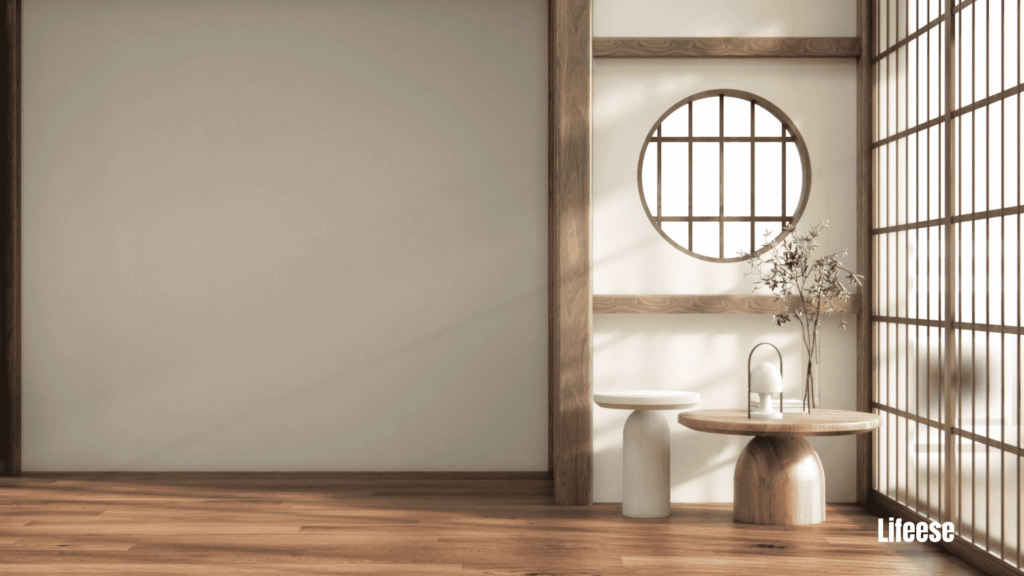
Style matters just as much as performance.
Minimalist Style
Clean lines. Neutral tones. Seamless integration.
Modern Geometric Patterns
3D wall panels and bold shapes create artistic statements.
Feature Walls
Transform one wall into a dramatic focal point using layered acoustic panels.
Ceiling-to-Wall Continuity
Integrated systems offer complete sound coverage.
Installation Methods and Best Practices
Panels can be mounted using:
- Adhesives
- Z-clips
- Framed systems
DIY vs Professional Installation
DIY works for small rooms. However, professionals ensure:
- Proper spacing
- Accurate reflection point placement
- Secure mounting
Common Mistakes to Avoid
- Overcrowding one wall
- Ignoring ceiling reflections
- Using low-quality materials
Color, Texture, and Aesthetic Considerations
Acoustic panels now come in:
- Bold colors
- Neutral shades
- Custom prints
- Branded graphics
Lighting also plays a huge role. Indirect lighting enhances texture and depth.
Cost Analysis and Budget Planning
Prices vary based on:
- Material type
- Thickness
- Design complexity
- Installation method
Basic panels may start at moderate pricing, while custom architectural installations cost more.
Long-Term Value
Though initial costs may seem high, benefits include:
- Improved productivity
- Better mental well-being
- Enhanced property value
Maintenance and Durability
Most panels require:
- Vacuum cleaning
- Occasional spot treatment
- Moisture monitoring
High-quality panels can last 10–20 years.
Acoustic Panel Placement Strategies
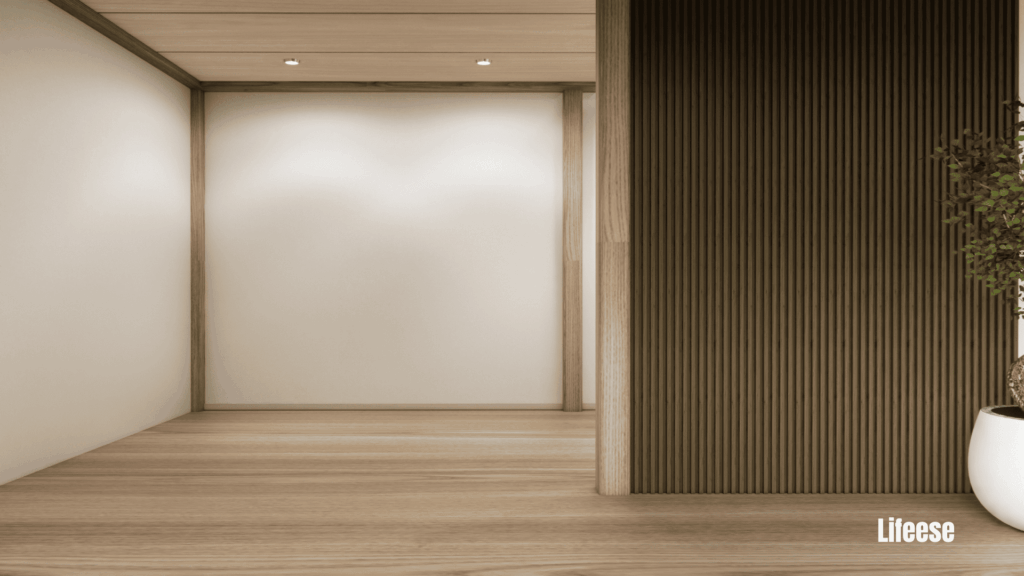
Strategic placement is key.
Small Rooms
Focus on:
- First reflection points
- Behind speakers
- Opposite windows
Large Halls
Consider:
- Wall clusters
- Ceiling baffles
- Corner bass traps
Acoustic Panels vs Traditional Soundproofing
Traditional soundproofing blocks sound. Acoustic panels absorb sound.
Soundproofing materials include:
- Dense drywall
- Insulation layers
- Mass-loaded vinyl
Acoustic panels improve interior clarity rather than block external noise.
Sustainability and Green Building Certifications
Eco-conscious buyers prefer:
- Low-VOC adhesives
- Recycled materials
- Sustainable sourcing
Certifications enhance long-term property value.
Future Trends in Acoustic Wall Innovation
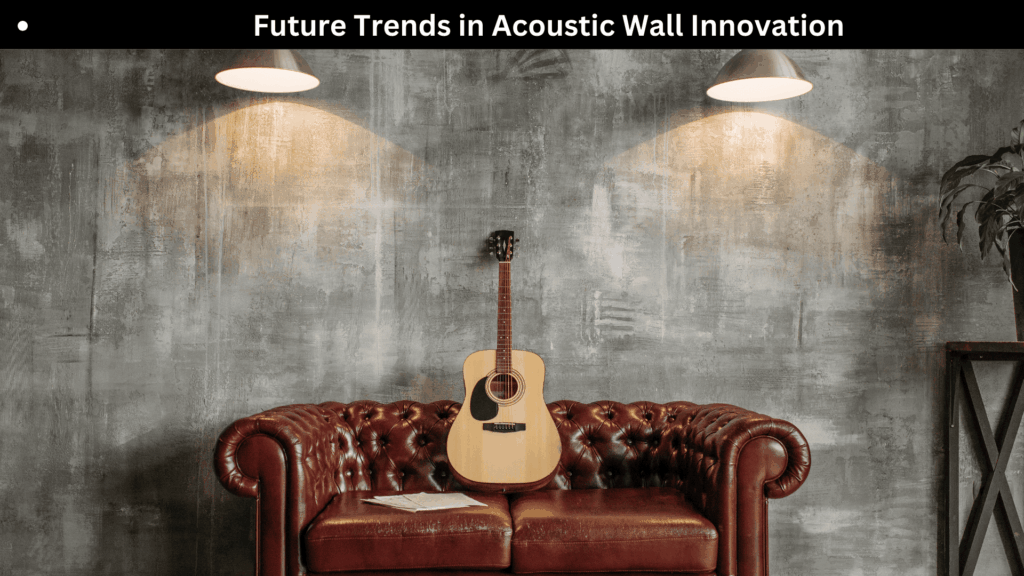
Emerging trends include:
- Smart panels with LED lighting
- Integrated sensors
- Modular acoustic art installations
Technology and design are merging beautifully.
FAQs
Do acoustic wall panels completely block noise?
No. They reduce echo and improve sound clarity but don’t fully block external noise.
How many panels do I need for a small room?
It depends on room size, but typically 20–30% wall coverage works well.
Can acoustic panels be decorative?
Absolutely! Modern panels double as artistic features.
Are acoustic panels safe for homes with children?
Yes, especially if made from non-toxic, fire-rated materials.
Do panels help with home theater sound?
Yes, they dramatically enhance sound quality and reduce distortion.
Are eco-friendly acoustic panels effective?
Yes, many sustainable materials offer high NRC ratings.
Conclusion
At the end of the day, noise affects how we think, feel, and work. A thoughtfully planned Acoustic panel Wall Design can transform an ordinary room into a calm, focused, and beautiful environment.
It’s not just about sound—it’s about experience. From homes to offices to schools, acoustic solutions are reshaping how we design interiors. By blending science, sustainability, and creativity, you can create a space that truly sounds as good as it looks.