Exposed Beam Interior Style: 21 Brilliant Ways to Create a Warm & Timeless Home
Exposed Beam Interior Style brings warmth, charm, and character to any home. Discover 21 brilliant ways to design, decorate, and maintain beautiful beam ceilings with confidence.
When it comes to creating a home that feels both timeless and welcoming, Exposed Beam Interior Style stands out as a bold and beautiful choice. Walk into a room with wooden beams stretching across the ceiling, and you instantly feel it—the warmth, the texture, the story hidden in every grain of wood. It’s not just a design trend. It’s a statement.
In this in-depth guide, we’ll explore everything you need to know about this classic yet modern style. From its rich history to practical installation tips, you’ll gain expert insights to help you decide if this look is right for your space.
Introduction to Exposed Beam Interior Style
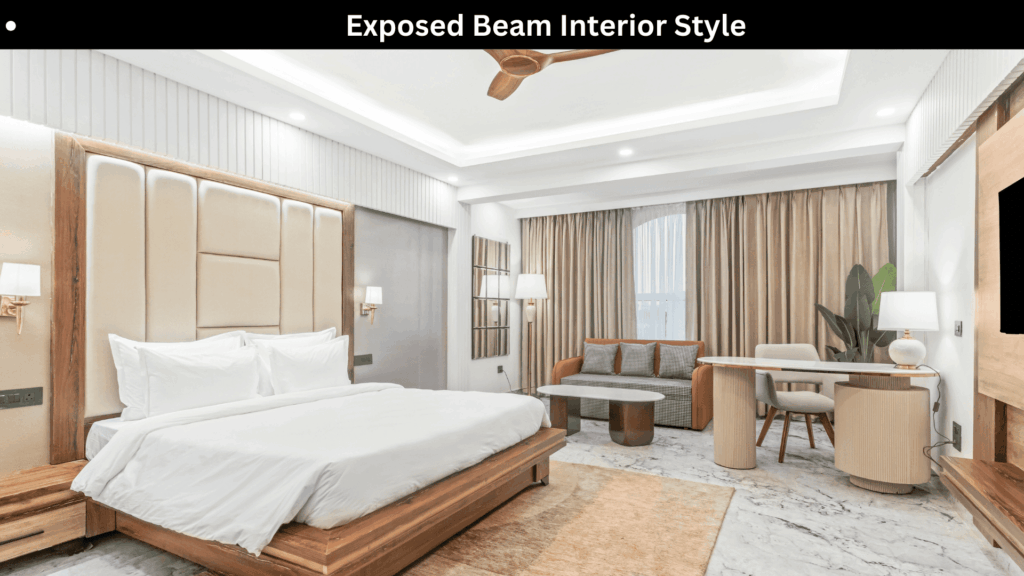
Exposed beams are structural or decorative elements that remain visible rather than being covered by drywall or plaster. Instead of hiding the bones of a home, this style proudly displays them.
In traditional architecture, beams supported roofs and upper floors. Today, they still serve that purpose in many homes—but they also add visual interest. Designers often use both real and faux beams to create depth and personality.
Why do homeowners love this look? Simple. It adds:
- Natural texture
- Architectural character
- A cozy, lived-in feeling
- A sense of craftsmanship
Even in modern spaces, beams can soften sharp lines and bring warmth to clean interiors.
The History and Evolution of Exposed Beams
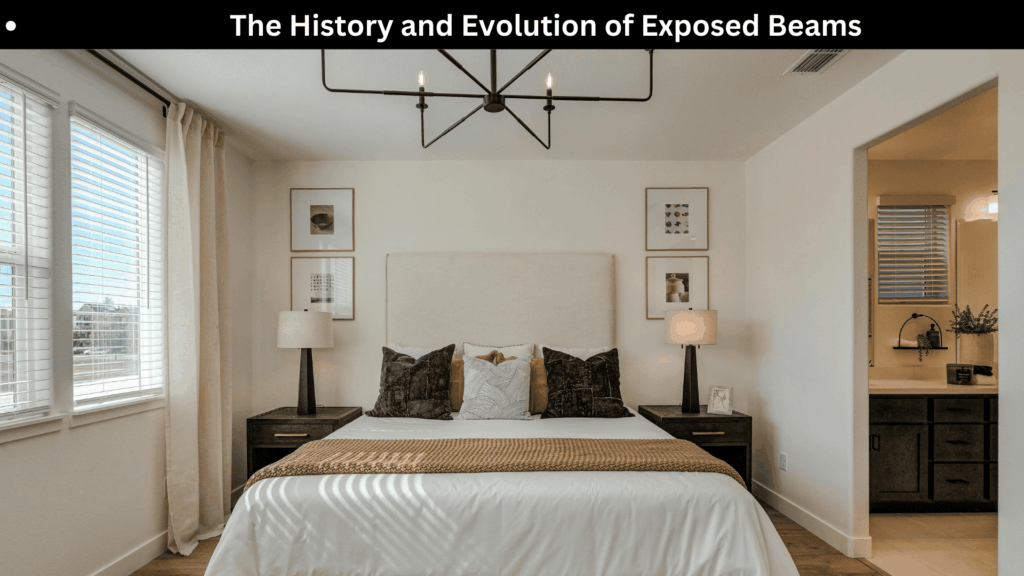
Exposed beams aren’t new. In fact, they date back centuries.
Traditional Timber Framing Techniques
In medieval Europe, homes and halls were built using heavy timber framing. Builders used methods like mortise and tenon joints—no nails required! These beams weren’t decorative; they were essential.
Craftsmen selected strong hardwoods such as oak. The beams were thick, sturdy, and built to last generations.
Industrial Revolution and Steel Influence
Fast forward to the 19th century. Steel beams began appearing in factories and warehouses. Later, urban loft conversions turned these industrial structures into stylish apartments.
Today, both wood and steel beams are used in residential interiors, blending old-world charm with modern strength.
For more on timber framing history, you can explore resources from organizations like the Timber Framers Guild (https://www.tfguild.org).
Architectural Styles That Feature Exposed Beams
Exposed beams fit beautifully into many design styles.
Rustic and Country Homes
Think farmhouse kitchens, stone fireplaces, and reclaimed wood ceilings. Natural finishes and warm stains are common here.
Modern Minimalist Interiors
Surprisingly, beams work well in modern homes too. Painted white or black, they create clean contrast against neutral ceilings.
Mediterranean and Spanish Designs
Dark wooden beams paired with white stucco ceilings are classic features of Spanish-style homes.
No matter the theme, beams can be adapted to match.
Types of Beams Used in Interior Design
Not all beams are created equal.
Solid Wood vs. Faux Wood
| Feature | Solid Wood Beams | Faux Wood Beams |
|---|---|---|
| Weight | Heavy | Lightweight |
| Cost | Higher | More affordable |
| Installation | Complex | Easier |
| Authenticity | 100% real | Decorative |
Solid beams provide unmatched authenticity. Faux beams, often made from polyurethane, mimic the look without structural demands.
Reclaimed Wood Beams
Reclaimed beams come from old barns or factories. They’re sustainable and full of character—knots, cracks, and all.
Benefits of Exposed Beam Ceilings
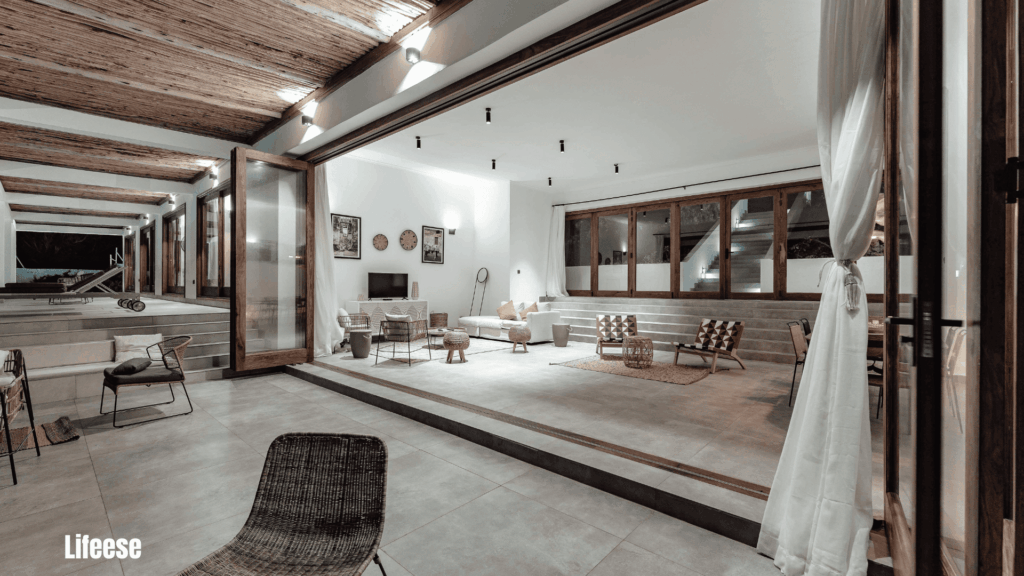
Why choose beams? Let’s break it down.
Enhancing Natural Light and Space
Contrary to what some believe, beams can make rooms feel larger. They draw the eye upward, highlighting ceiling height.
Increasing Property Value
Homes with distinctive architectural features often stand out in the market. Buyers appreciate character.
Additional benefits include:
- Improved acoustics
- Unique focal points
- Rustic elegance
Design Considerations Before Installation
Before installing beams, think ahead.
Structural Safety
Consult a structural engineer if you’re removing ceiling coverings. Some beams are load-bearing.
Budget Planning
Costs vary widely. Consider:
- Materials
- Labor
- Finishing
- Maintenance
Planning carefully avoids surprises.
Color Schemes and Finishes for Beams
Finishes can transform the look entirely.
- Dark stains create drama
- Whitewashed beams brighten spaces
- Natural finishes highlight grain
Matching beams with flooring creates harmony. Contrasting colors add bold flair.
Lighting Ideas for Beam Ceilings
Lighting plays a huge role.
Pendant Lights
Hang pendants directly from beams for a rustic touch.
Recessed Lighting
Install subtle lights between beams to maintain clean lines.
Spotlights can highlight texture and create cozy shadows.
Decorating Around Exposed Beams
Balance is key. Heavy beams overhead should be paired with:
- Soft textiles
- Plush rugs
- Light-colored walls
Furniture placement should complement—not compete with—the ceiling.
Exposed Beams in Different Rooms
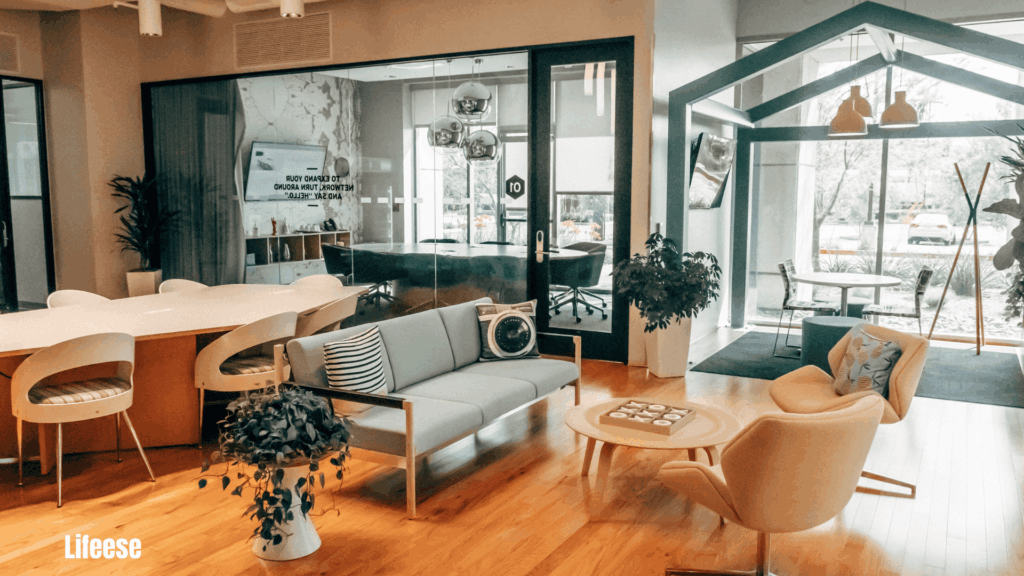
Living Room
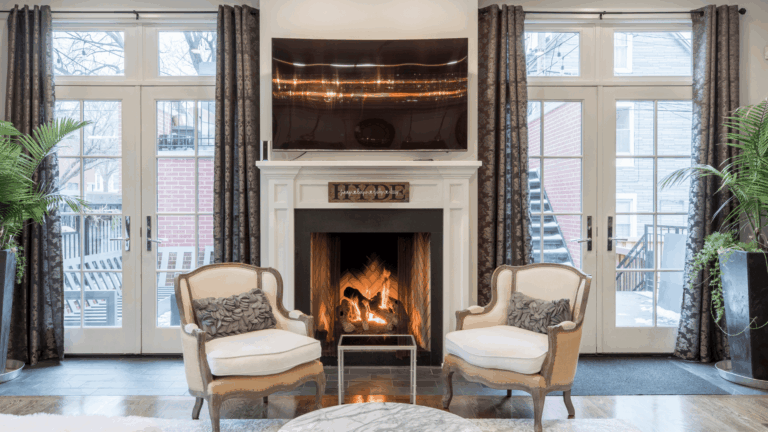
Beams frame fireplaces beautifully.
Kitchen
Pair beams with open shelving for farmhouse charm.
Bedroom
Beams add intimacy and warmth, making the room feel like a retreat.
Maintenance and Care Tips
Wood beams need attention.
- Dust regularly
- Check for cracks
- Control humidity levels
Proper care ensures longevity.
Common Mistakes to Avoid
Avoid these pitfalls:
- Installing beams in low ceilings
- Overcrowding décor
- Ignoring lighting balance
Good planning prevents regret.
Sustainability and Eco-Friendly Choices
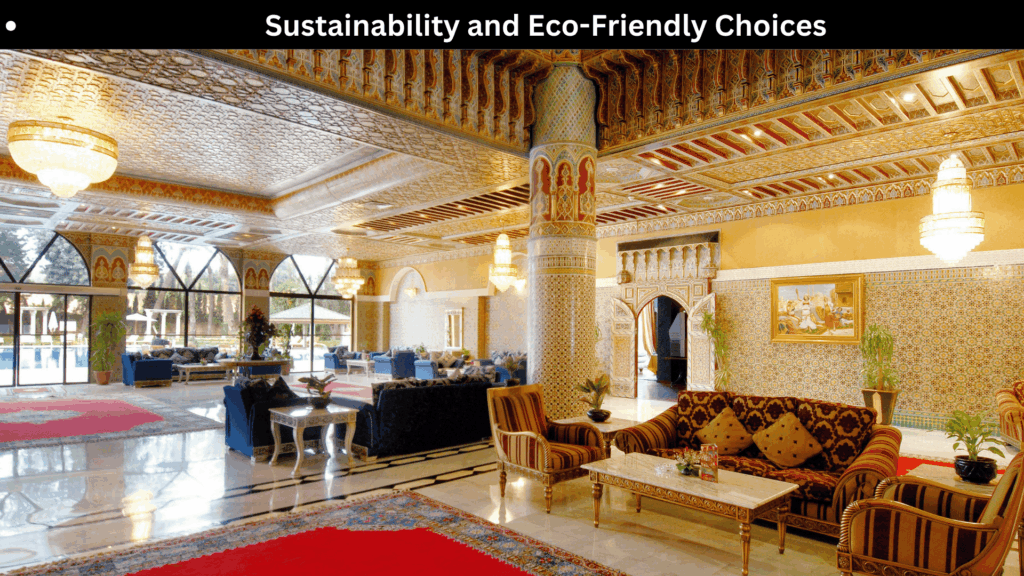
Choose FSC-certified wood or reclaimed materials. Sustainable options reduce environmental impact while maintaining beauty.
FAQs
Are exposed beams only for large homes?
No. Even small spaces can benefit when designed thoughtfully.
Do beams make ceilings look lower?
Not necessarily. Proper spacing and color selection can maintain height perception.
Can beams be added to existing homes?
Yes, both structural and faux beams can be installed.
Are faux beams durable?
High-quality polyurethane beams are long-lasting and resistant to pests.
How do I clean wooden beams?
Use a microfiber cloth and mild wood-safe cleaner.
Do exposed beams increase home value?
They can enhance appeal, especially in character-driven markets.
Conclusion
Choosing Exposed Beam Interior Style means embracing authenticity, warmth, and architectural charm. Whether you prefer rustic farmhouse vibes or sleek modern minimalism, beams can transform an ordinary ceiling into a striking design feature.