15 Brilliant Open Plan Dining Ideas That Transform Everyday Living
Open Plan Dining Ideas that elevate comfort, style, and functionality—discover practical layouts, lighting, zoning, and design tips for modern homes.
Open plan dining ideas have become a defining feature of modern home design. Today’s homeowners want spaces that feel open, welcoming, and adaptable to daily life. By removing walls and barriers, open plan dining creates a seamless flow between cooking, eating, and living areas. It’s not just about style—it’s about how people live, connect, and share moments together.
This guide explores practical, stylish, and future-ready ideas that help you design an open plan dining space that truly works. Whether your home is compact or spacious, these ideas will help you make confident design decisions.
Understanding the Concept of Open Plan Dining
Definition and Core Principles
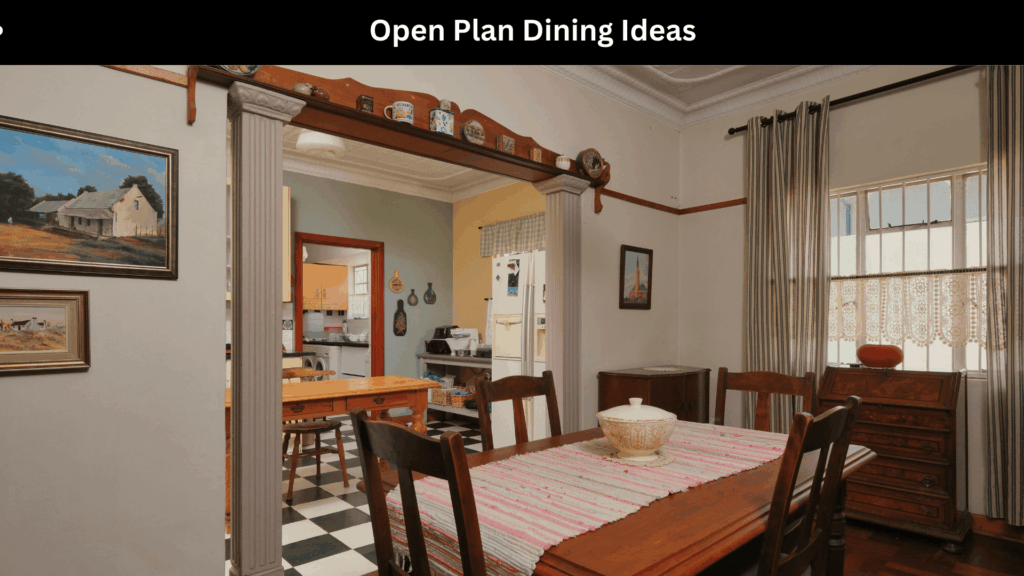
Open plan dining refers to a layout where the dining area shares space with the kitchen, living room, or both. Instead of closed rooms, the design relies on visual flow, smart zoning, and coordinated décor. The goal is to create a unified environment that feels open while still serving distinct functions.
Why Open Plan Dining Is Popular in Modern Homes
People love open layouts because they reflect modern lifestyles. Families cook together, children do homework nearby, and guests stay connected during meals. Open plan dining supports togetherness while making spaces feel larger and brighter.
Benefits of Open Plan Dining Layouts
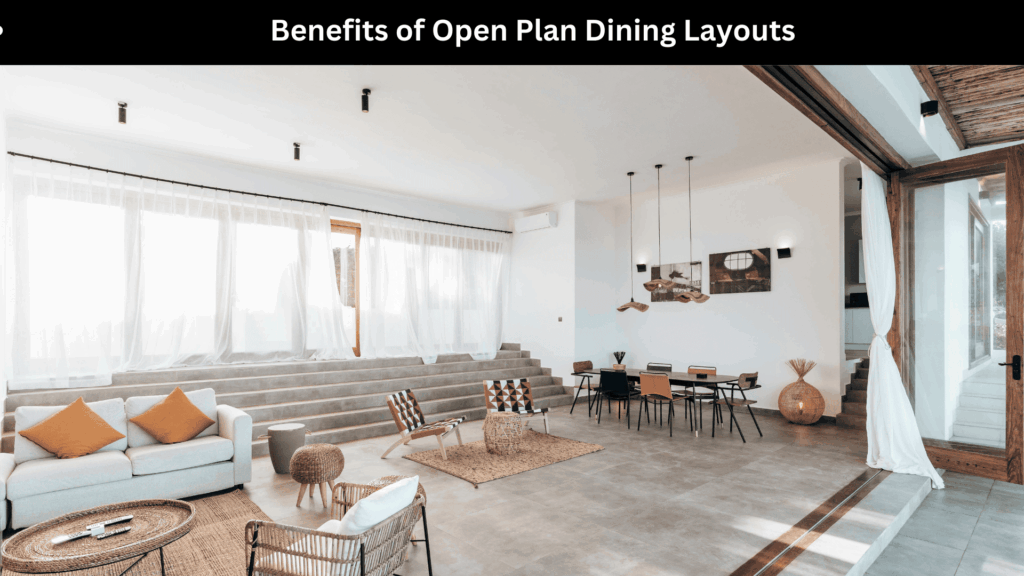
Enhanced Natural Light and Airflow
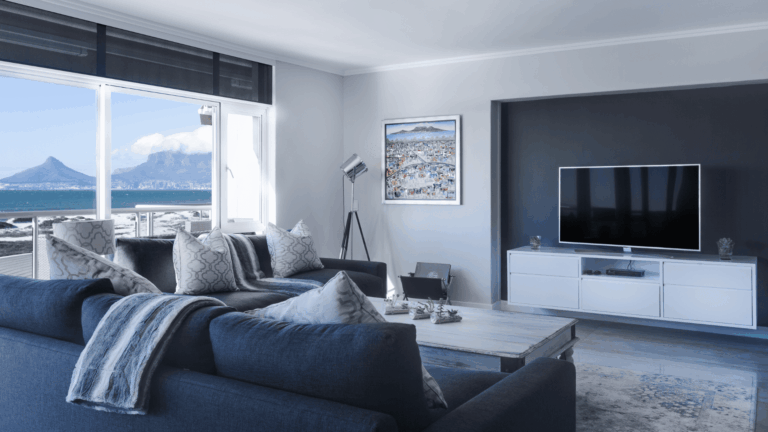
With fewer walls blocking windows, sunlight travels freely across the space. This creates a brighter, more cheerful atmosphere and reduces the need for artificial lighting during the day.
Better Social Interaction and Connectivity
Open layouts make conversation effortless. Whether someone is cooking or relaxing, everyone stays part of the moment.
Family Living and Entertaining Advantages
Parents can supervise children while preparing meals, and hosts can entertain without feeling isolated. It’s a win-win design choice.
Open Plan Dining Ideas for Small Spaces
Space-Saving Furniture Solutions
Compact dining tables, benches, and armless chairs help maintain openness without sacrificing comfort.
Foldable Tables and Multi-Purpose Seating
Furniture that folds or doubles as storage is ideal for apartments and smaller homes. These smart choices keep the area flexible and clutter-free.
Open Plan Dining Ideas for Large Homes
Statement Dining Tables and Zoning
Larger spaces allow for bold dining tables that anchor the room. Oversized tables, combined with area rugs, help define the dining zone clearly.
Creating Visual Balance in Expansive Layouts
Balance is key. Pair large furniture with softer textures and layered lighting to prevent the space from feeling cold or empty.
Seamless Kitchen and Dining Integration
Island Dining and Breakfast Bars
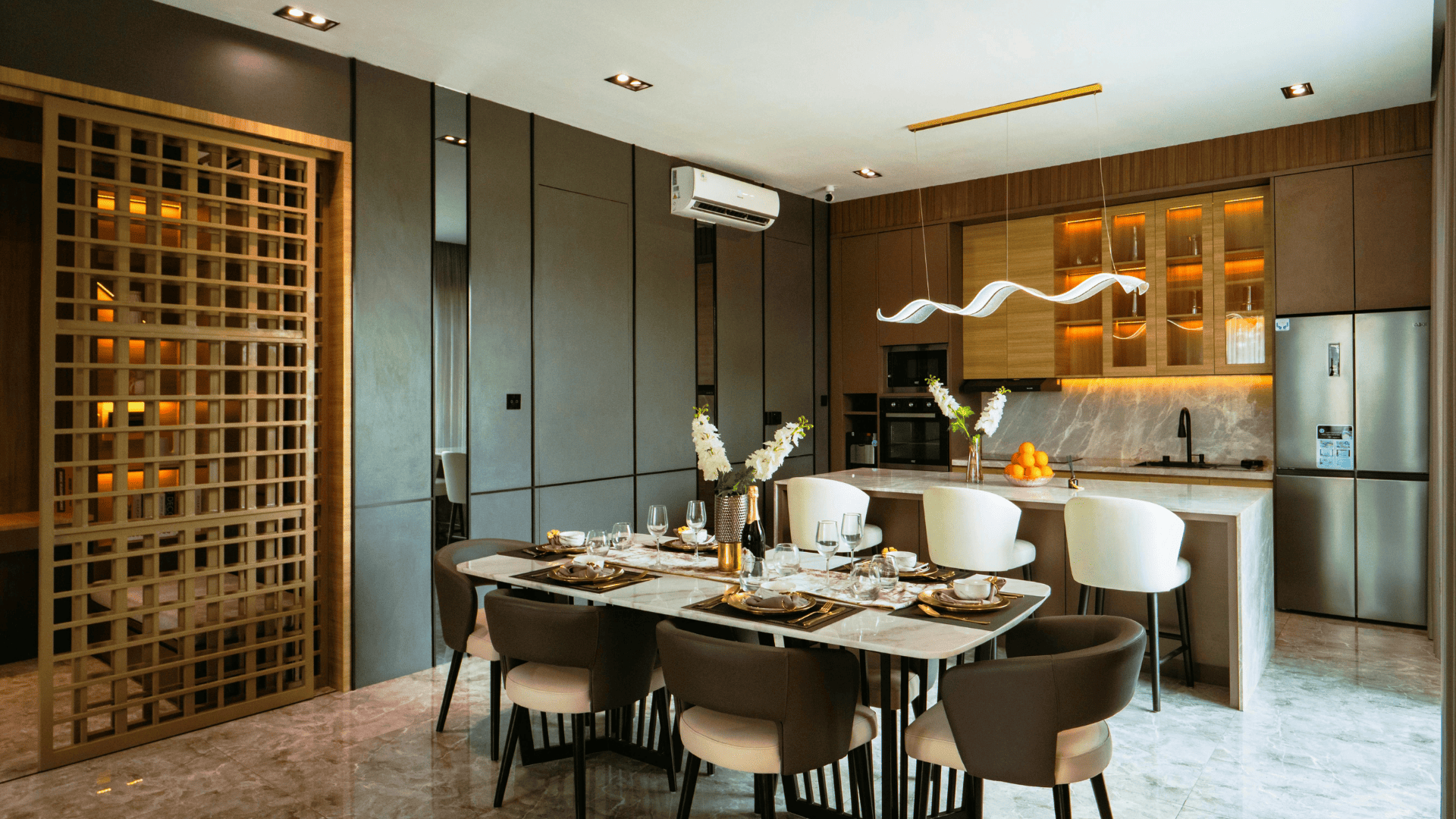
Kitchen islands with seating naturally connect cooking and dining zones. They’re perfect for casual meals and social gatherings.
Workflow and Functional Design
Good planning ensures smooth movement between appliances, counters, and the dining area, making everyday use effortless.
Living and Dining Room Combinations
Furniture Placement Strategies
Position sofas or console tables to subtly separate spaces without blocking sightlines.
Maintaining Visual Harmony
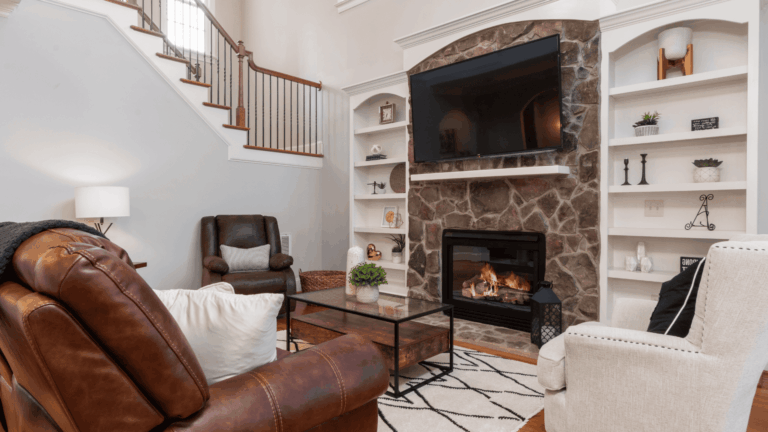
Using similar colors, materials, and finishes across areas creates a cohesive look that feels intentional.
Zoning Techniques for Open Plan Dining
Rugs, Lighting, and Ceiling Treatments
Area rugs define dining zones, while pendant lights draw attention to the table. Ceiling beams or drop ceilings add subtle separation.
Subtle Dividers Without Walls
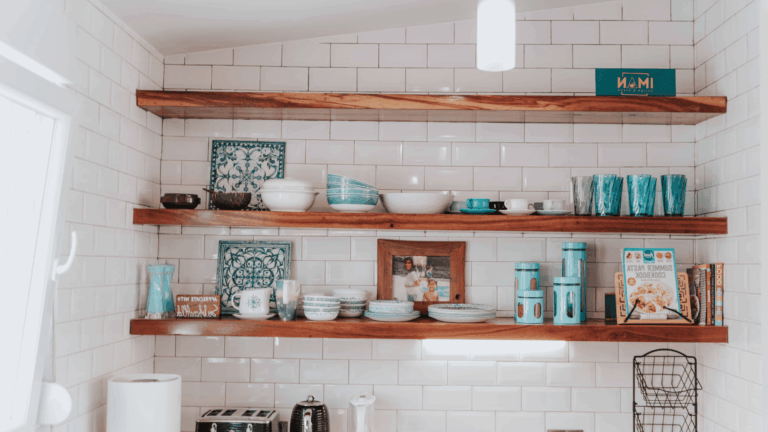
Open shelving, glass screens, or indoor plants create boundaries without closing off the space.
Lighting Ideas for Open Plan Dining Areas
Pendant Lights and Chandeliers
A well-placed pendant above the dining table acts as a visual anchor and sets the mood.
Layered Lighting for Ambience
Combining task, ambient, and accent lighting ensures the space works well day and night.
Flooring Choices for Open Plan Dining
Continuous vs Zoned Flooring
Using one flooring type creates unity, while different materials help define zones.
Practical and Aesthetic Considerations
Choose durable, easy-to-clean materials that can handle spills and foot traffic.
Color Schemes and Material Selection
Neutral Palettes and Accent Features
Soft neutrals create calm, while accent walls or chairs add personality.
Textures That Add Warmth
Wood, fabric, and natural finishes prevent open spaces from feeling sterile.
Storage Solutions for Open Plan Dining
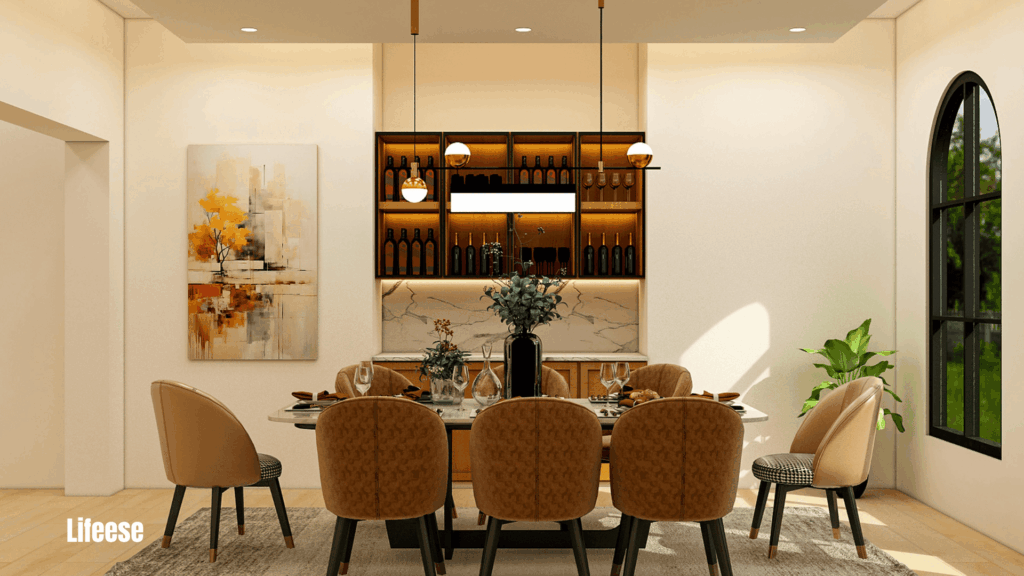
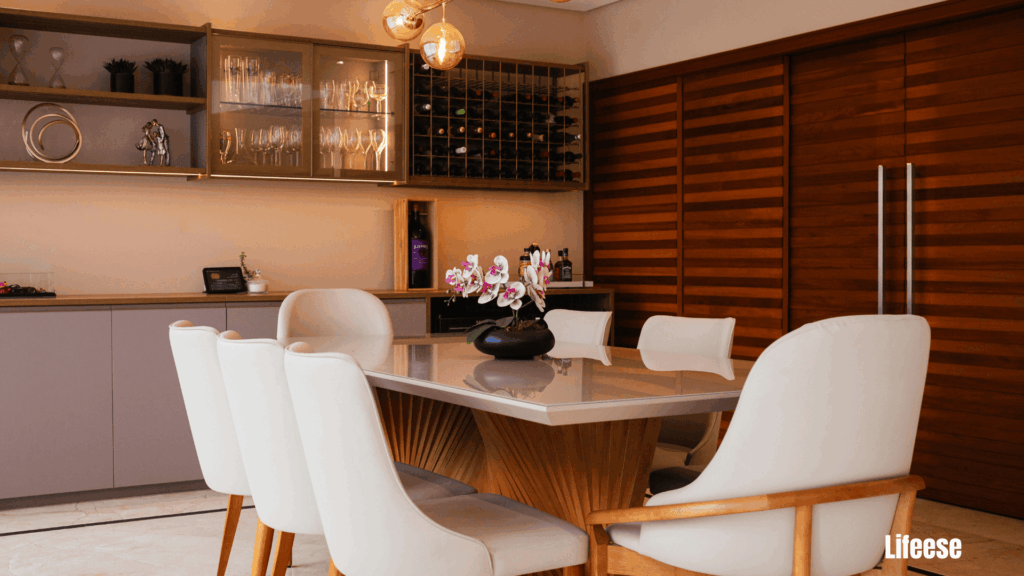
Built-In Storage and Sideboards
Sideboards provide storage while serving as stylish focal points.
Keeping the Space Clutter-Free
Minimal clutter is essential in open layouts since everything is visible.
Open Plan Dining Ideas for Entertaining
Flexible Seating and Layouts
Extendable tables and movable chairs adapt easily to different group sizes.
Hosting Guests Comfortably
Open plan dining ideas shine when entertaining, offering flow and freedom of movement.
Common Mistakes to Avoid
Overcrowding and Poor Lighting
Too much furniture or weak lighting can make the space feel chaotic.
Ignoring Acoustics and Privacy
Soft furnishings and curtains help absorb sound and improve comfort.
Sustainable and Future-Ready Dining Spaces
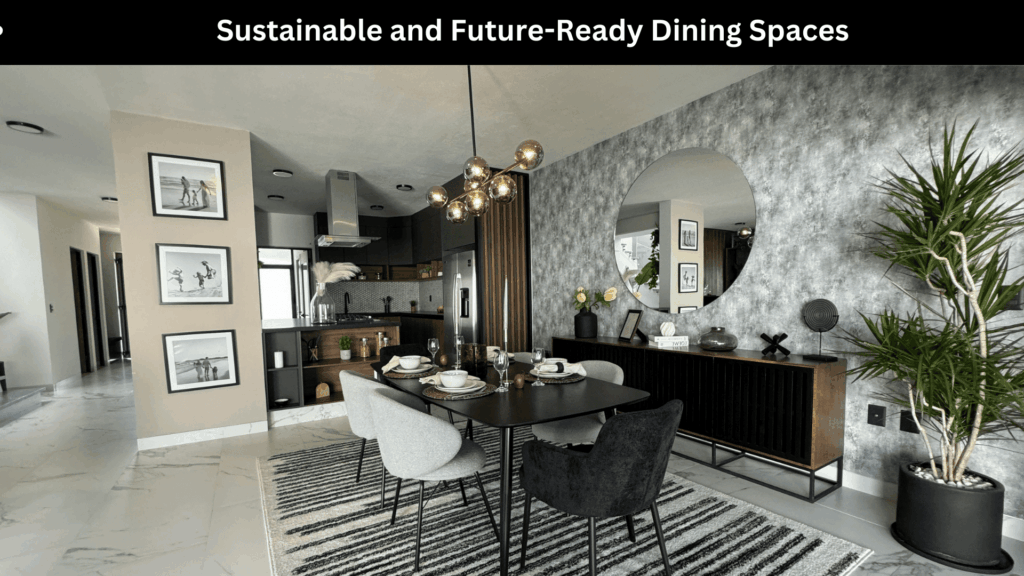
Eco-Friendly Materials and Design
Sustainable wood, recycled materials, and energy-efficient lighting support long-term living.
Adapting to Lifestyle Changes
Open layouts easily evolve with changing family needs.
FAQs
Are open plan dining areas suitable for small homes?
Yes, they often make small homes feel larger and brighter.
How do I define a dining area without walls?
Use rugs, lighting, and furniture placement.
What lighting works best for open plan dining?
Pendant lights combined with ambient lighting work best.
Can open plan dining be formal?
Absolutely. Elegant furniture and lighting can create a formal feel.
How do I control noise in open spaces?
Use rugs, curtains, and upholstered furniture to absorb sound.
Are open plan dining spaces energy-efficient?
Yes, better light flow can reduce energy use when designed well.
Conclusion
Open plan dining ideas offer flexibility, comfort, and modern elegance. When thoughtfully designed, these spaces support everyday living while enhancing connection and flow. By combining smart zoning, practical furniture, and cohesive design choices, you can create a dining space that feels open, warm, and truly inviting—today and for years to come.