Breakfast Nook Window Seat: 17 Powerful Ideas That Transform Small Spaces (Pros & Cons)
Breakfast Nook Window Seat design ideas explained with expert insights, practical layouts, costs, comfort tips, and common mistakes to help you create a cozy, light-filled dining corner.

Introduction to Cozy Morning Spaces
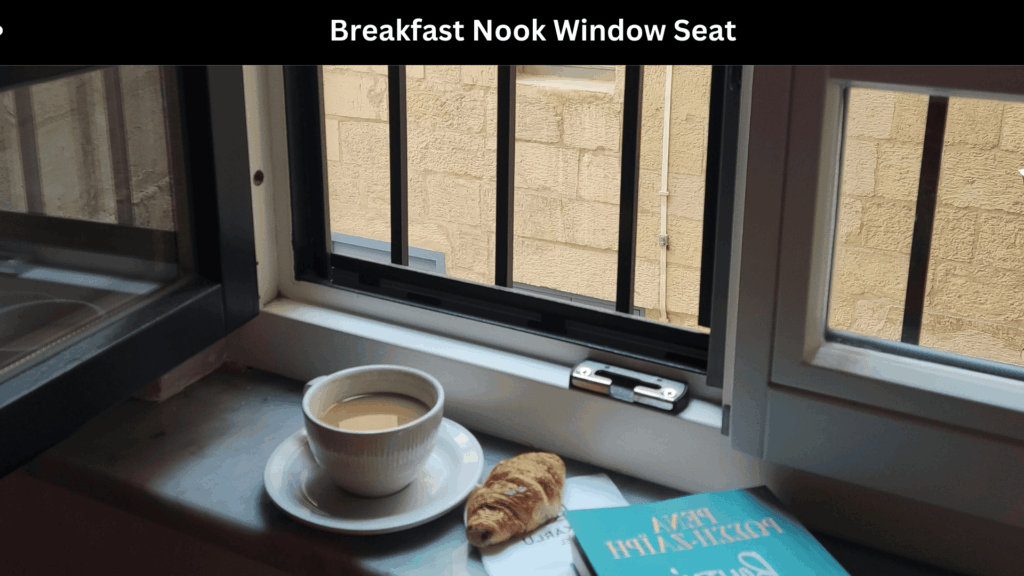
There’s something quietly magical about starting the day in a space filled with soft daylight, a warm cup of tea, and a comfortable place to sit. A well-designed breakfast nook window seat turns everyday meals into calm, grounding rituals. It’s not just furniture—it’s a lifestyle upgrade that blends comfort, efficiency, and visual charm into one thoughtful corner of the home.
Unlike formal dining areas that often feel reserved for guests or special occasions, breakfast nooks are made for daily life. They invite lingering conversations, unhurried breakfasts, and even moments of reading or reflection. When paired with a window seat, the experience becomes even richer. Natural light enhances mood, outside views create a sense of openness, and the seating itself encourages relaxation rather than formality.
From years of interior design practice and real-world home planning, one truth stands out: people use spaces more when they feel welcoming. Homes with dedicated breakfast nooks often see families gathering more often in the mornings and evenings, simply because the area feels comfortable and unintimidating. This is especially true in modern homes where open-plan layouts sometimes lack cozy, defined corners.
A thoughtfully planned Breakfast Nook Window Seat also solves practical challenges. It maximizes underused window areas, adds hidden storage, and works beautifully in both small and medium-sized kitchens. Whether you live in an apartment, a suburban home, or a compact townhouse, this design approach adapts easily to different layouts.
As we explore design principles, materials, layouts, and real-life considerations, you’ll see how this single feature can transform not just a room, but daily routines. Let’s begin with understanding what a breakfast nook truly is and why it has become such a beloved feature in modern homes.
Understanding the Concept of a Breakfast Nook

A breakfast nook is a small, informal dining area typically located near the kitchen. Its purpose is simple: provide a comfortable place for casual meals without the formality of a dining room. Yet simplicity doesn’t mean lack of thought. In fact, the most successful breakfast nooks are carefully planned to balance comfort, movement, and style.
Traditionally, breakfast nooks emerged in homes where kitchens had enough space to include a small table and seating. Over time, designers realized that corners, bay windows, and unused wall areas could be transformed into efficient dining spots. This evolution led to the rise of window-based seating, which naturally fits into architectural features already present in many homes.
What sets a breakfast nook apart from a dining room is its relaxed nature. Chairs are often replaced with benches, cushions soften hard edges, and the overall scale feels more intimate. You don’t sit upright and formal—you lean back, tuck your feet in, and stay a little longer. This comfort encourages frequent use, which is exactly what most homeowners want from their living spaces.
In modern layouts, breakfast nooks serve multiple purposes. They double as homework stations, remote-work spots, and even quiet reading corners. Designers often recommend them for families because they allow supervision from the kitchen while still giving everyone a defined place to sit.
When a window seat is introduced, the nook gains an added layer of value. Windows provide light, airflow, and a visual connection to the outdoors. This connection has been shown in multiple environmental psychology studies to reduce stress and improve focus, making the nook not just functional, but emotionally supportive as well.
Understanding this foundation helps clarify why design decisions—such as seat height, table shape, and lighting—matter so much. A breakfast nook is small by nature, which means every inch must work smartly and comfortably.
What Makes a Window Seat Special

Window seats have a timeless appeal that crosses cultures and design styles. They feel nostalgic yet modern, simple yet luxurious. At their core, window seats turn a structural element into a livable surface, which is one of the smartest uses of space in residential design.
The first advantage is natural light. Daylight improves visibility, reduces the need for artificial lighting, and makes even compact rooms feel larger. When seated near a window, people tend to relax more, eat slower, and engage in conversation longer. Designers often observe that homeowners gravitate toward window seating instinctively, even when other seats are available.
Views also play a subtle but powerful role. Whether it’s a garden, a street scene, or just the sky, having something to look at creates mental breathing room. In urban apartments especially, this visual openness can counteract feelings of confinement.
From a practical standpoint, window seats are excellent candidates for built-in storage. The space beneath the seat can house kitchen items, seasonal linens, or children’s supplies without cluttering cabinets. This dual function is particularly valuable in homes where storage is limited.
Ventilation is another overlooked benefit. Sitting near operable windows allows fresh air to circulate, making the space more pleasant during morning and evening meals. Combined with proper cushions and back support, the seat becomes comfortable in all seasons.
Most importantly, window seats feel intentional. They signal that the home was designed with daily comfort in mind, not just appearance. This sense of care is what transforms a house into a lived-in, loved space.
Design Principles for a Breakfast Nook Window Seat

Good design begins with proportions. A seat that looks beautiful but feels awkward will quickly go unused. Through hands-on experience, designers generally agree on a seat height of around 18 inches, which aligns with standard chair height. This allows most people to sit comfortably at a table without feeling too low or too high.
Seat depth is equally important. A depth of 18 to 20 inches works well for most adults, while deeper seats may require additional cushions for back support. Backrests, whether upholstered or paneled, should offer a slight recline to support relaxed seating.
Table selection must complement the seating. Round or oval tables are often preferred because they improve circulation and reduce sharp corners in tight spaces. Leg placement should be checked carefully to ensure diners can slide in and out easily.
Lighting should layer with natural light rather than compete with it. Pendant lights centered over the table work well, especially when paired with dimmers for early mornings or evening meals. Wall sconces can add warmth without crowding the ceiling.
Every design decision should support comfort, movement, and ease of use. When these principles are respected, the nook becomes a natural extension of daily life rather than a decorative afterthought.
FAQs
Is a breakfast nook window seat suitable for small kitchens?
Yes, it’s often ideal for small kitchens because it uses existing wall and window areas efficiently.
What is the best cushion material for daily use?
Durable, stain-resistant fabrics like performance blends are practical and long-lasting.
Can a window seat include storage?
Absolutely. Built-in drawers or lift-up lids are common and very effective.
Do window seats reduce usable window space?
No, they usually enhance it by encouraging interaction with the window rather than blocking it.
Is professional installation necessary?
Custom built-ins benefit from professional work, but DIY options are possible for simple designs.
How do I maintain comfort year-round?
Use removable cushions, washable covers, and layered textiles for seasonal flexibility.
Conclusion
A well-planned breakfast nook window seat blends comfort, beauty, and practicality in a way few home features can. It encourages connection, supports daily routines, and makes even the smallest homes feel more generous. With thoughtful design and attention to real-life needs, this simple idea can become the most cherished spot in your home.