Plaster Wall Interior Design: Powerful Ideas That Transform Modern Homes (2026 Guide)
Plaster Wall Interior Design explained with expert insights, modern ideas, textures, costs, and timeless styling tips for beautiful interiors.
Introduction to Plaster Walls in Interior Spaces
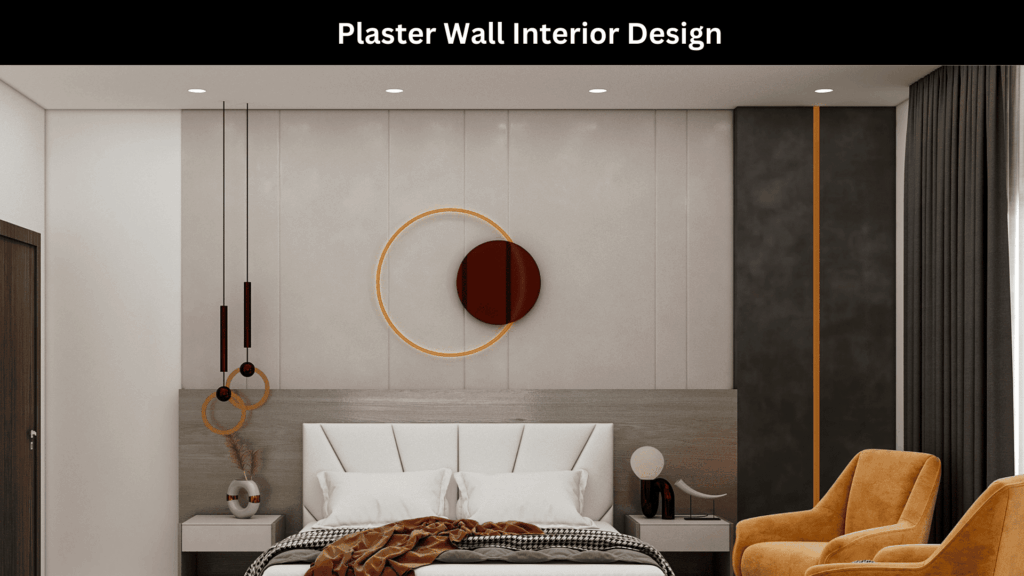
Plaster walls have quietly stepped back into the spotlight, and honestly, it’s about time. In an era dominated by flat paint and synthetic finishes, homeowners and designers are rediscovering the depth, warmth, and authenticity that plaster brings to interior spaces. Plaster Wall Interior Design is no longer just a heritage technique—it’s a modern design statement that balances beauty, performance, and sustainability.
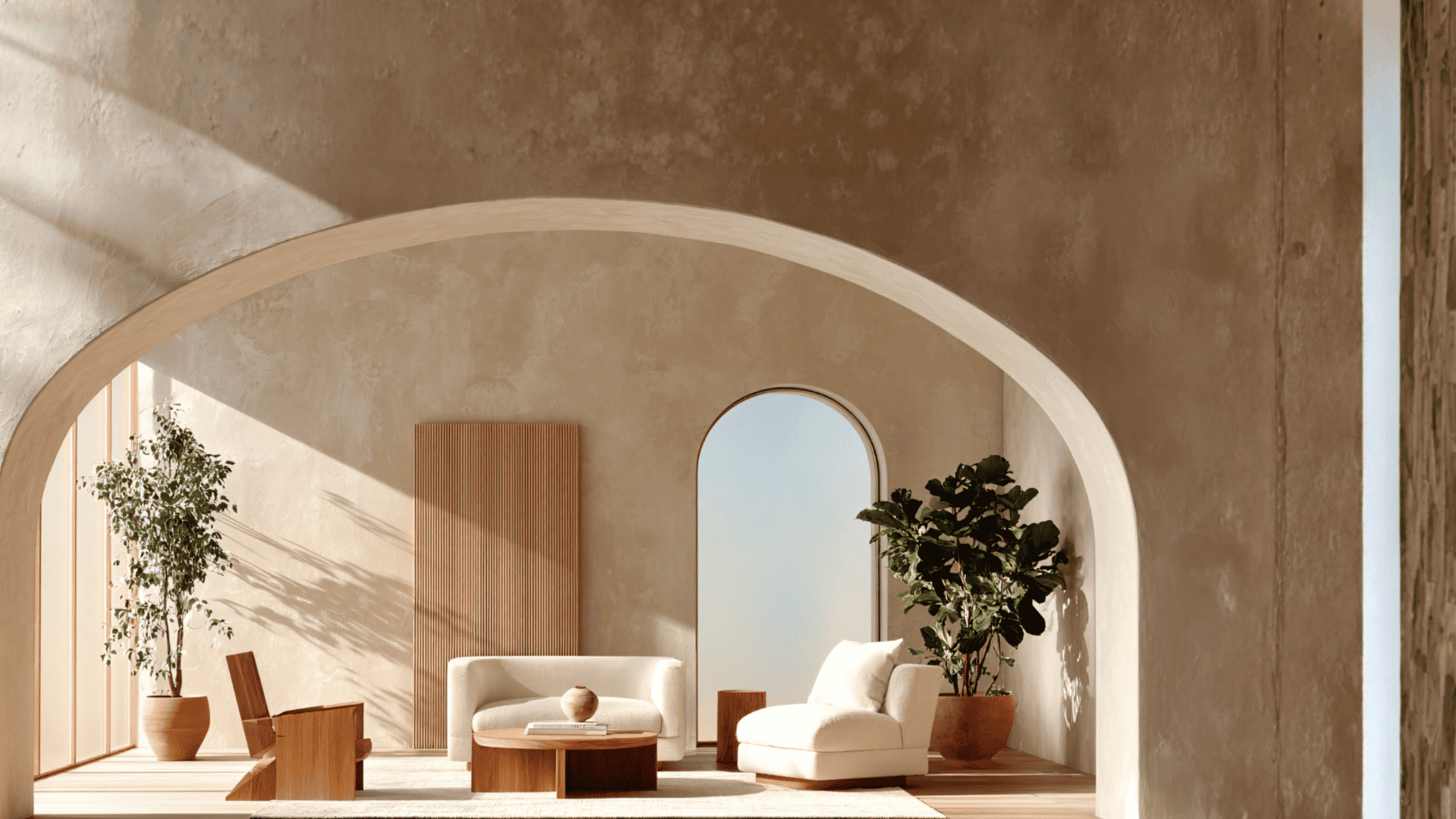
Unlike ordinary painted drywall, plaster walls offer a tactile surface that feels alive. Light dances across subtle ridges, shadows shift throughout the day, and walls gain a personality of their own. These qualities make plaster especially appealing in homes that value craftsmanship and timeless aesthetics over fast, disposable trends.
From contemporary apartments to traditional villas, plaster adapts effortlessly. It can appear smooth and minimal or richly textured and dramatic. Better still, plaster walls contribute to healthier indoor environments by regulating humidity and improving air quality. That’s a big win for modern living, wouldn’t you say?
Historical Evolution of Plaster Wall Applications
Plaster has been used for thousands of years, long before paint became common. Ancient Egyptians used lime plaster to coat stone interiors, while Roman architects perfected plaster techniques for villas, bathhouses, and public buildings. These early applications weren’t just decorative—they protected structures and improved comfort.
During the Renaissance, plaster reached artistic heights. Ornamental moldings, ceiling reliefs, and textured walls became symbols of refinement and status. As industrialization took over, plasterwork declined, replaced by cheaper and faster alternatives like drywall and latex paint.
Today’s revival draws inspiration from those historic roots but adapts them for modern needs. Contemporary plaster wall applications emphasize simplicity, texture, and natural finishes rather than ornate decoration. It’s a return to authenticity, blending old-world wisdom with present-day design sensibilities.
Why Plaster Walls Are Making a Comeback
Natural Materials and Sustainable Living
Modern homeowners are more eco-conscious than ever. Plaster, especially lime-based varieties, is made from natural materials and contains low or zero volatile organic compounds. This makes it a healthier alternative to many synthetic wall finishes.
Plaster walls also last longer. Instead of repainting every few years, a well-applied plaster finish can endure for decades with minimal upkeep. Sustainability isn’t just about materials—it’s about longevity, and plaster delivers on both fronts.
Artisanal Craftsmanship and Texture Appeal
There’s something deeply human about hand-applied finishes. Every plaster wall is slightly different, shaped by the movement of the trowel and the skill of the artisan. These subtle variations create visual interest that mass-produced surfaces simply can’t replicate.
In Plaster Wall Interior Design, imperfections aren’t flaws—they’re features. They add warmth, character, and a sense of authenticity that resonates in both modern and traditional homes.
Types of Plaster Used in Interior Design
Lime Plaster Walls for Breathable Interiors
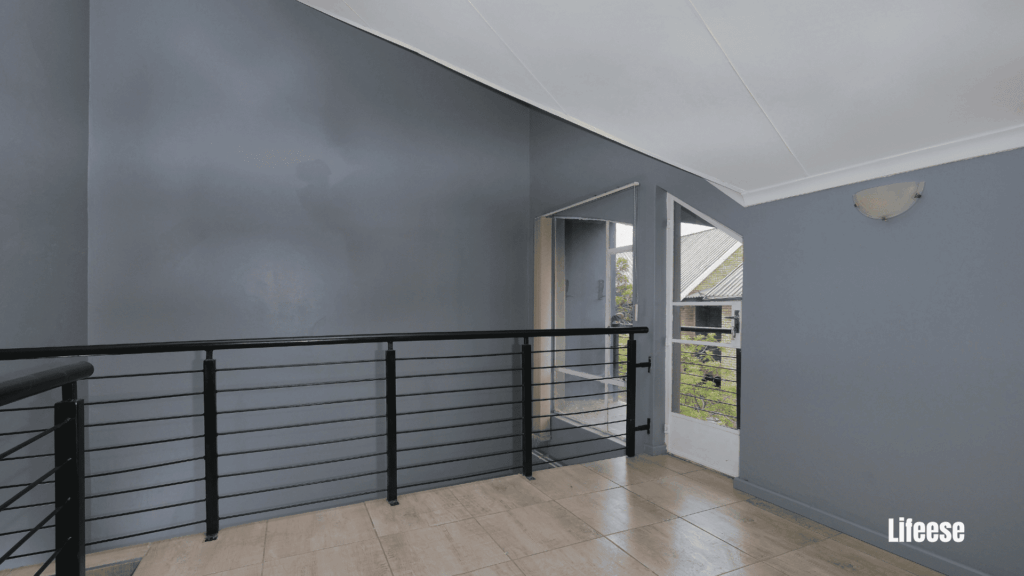
Lime plaster is prized for its breathability. It allows moisture to pass through walls, reducing condensation and mold growth. This makes it ideal for humid climates and older buildings with solid masonry walls.
Its soft, chalky appearance suits minimalist and Mediterranean-style interiors beautifully.
Gypsum Plaster for Smooth Contemporary Finishes
Gypsum plaster is commonly used for sleek, modern interiors. It sets quickly and produces a smooth, even surface that works well with clean architectural lines. While less breathable than lime, it’s cost-effective and widely available.
Venetian Plaster for Luxury Aesthetics
Polished Finishes and Reflective Surfaces
Venetian plaster is the showstopper of plaster finishes. Applied in thin layers and polished to a high sheen, it creates a marble-like appearance that reflects light elegantly.
Color Depth and Layering Techniques
Layering pigments within Venetian plaster adds depth and movement. The result is a luxurious wall finish that feels both rich and refined.
Plaster Wall Finishes and Textures
Matte, Satin, and Gloss Finishes
Plaster can be customized to suit any design vision. Matte finishes feel calm and understated, satin finishes offer gentle light reflection, and gloss finishes create drama and elegance.
Textured, Troweled, and Hand-Applied Effects
Organic Imperfections as a Design Feature
Textured plaster walls embrace irregularity. Trowel marks, soft waves, and layered strokes bring walls to life, making them focal points rather than background elements.
Color Psychology in Plaster Wall Design
Neutral Earth Tones and Warm Minimalism
Soft whites, warm beiges, clay tones, and muted greys enhance the natural character of plaster. These shades promote relaxation and pair well with wood, stone, and natural textiles.
Bold Pigments and Accent Wall Applications
Deep blues, terracotta reds, and charcoal greys add drama when used thoughtfully. Plaster absorbs pigment differently than paint, creating richer and more complex color effects.
Plaster Walls by Room Type
Living Rooms and Statement Walls
A textured plaster feature wall instantly elevates a living space. It creates depth without overwhelming the room.
Bedrooms and Calm Retreats
Plaster’s soft finish and warm tones promote rest and tranquility, making it perfect for bedrooms.
Kitchens and Moisture-Resistant Applications
With proper sealing, plaster walls perform well in kitchens, offering a durable and stylish alternative to tiles.
Bathrooms and Spa-Like Atmospheres
Lime plaster excels in bathrooms due to its moisture-regulating properties, creating serene, spa-inspired interiors.
Plaster Walls in Modern and Traditional Styles
Scandinavian, Mediterranean, and Japandi Interiors
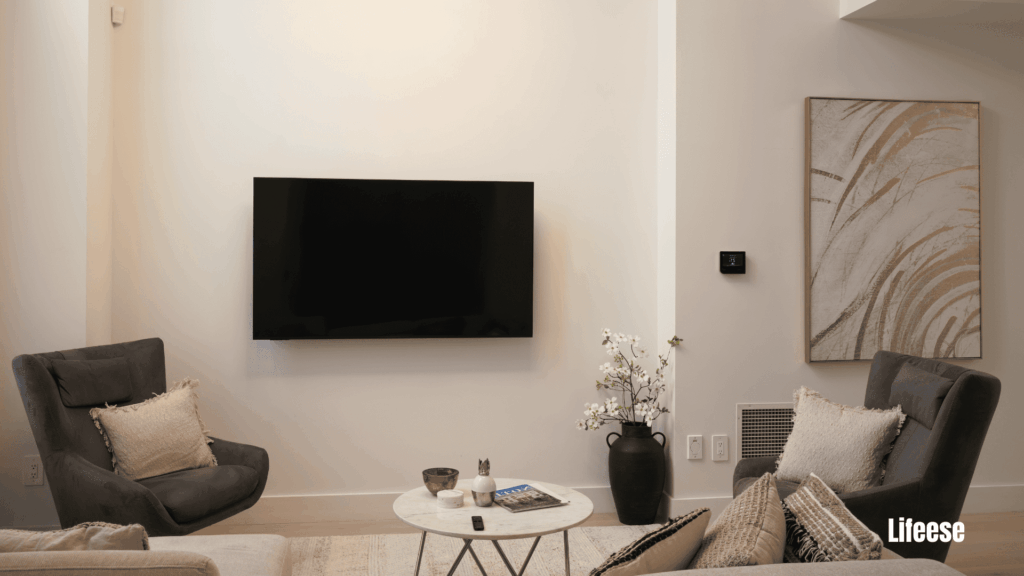
Plaster fits seamlessly into design styles that value simplicity, texture, and natural materials.
Classic, Colonial, and Rustic Homes
In traditional settings, plaster walls enhance architectural authenticity and historical charm.
Maintenance, Durability, and Longevity
Cleaning and Minor Repairs
Plaster walls are easy to maintain. Minor scuffs can often be buffed or patched without repainting entire surfaces.
Long-Term Performance Compared to Paint
Unlike paint, plaster ages gracefully. Over time, it develops a patina that adds character rather than detracting from appearance.
Cost Considerations and Budget Planning
Plaster walls typically cost more upfront than paint. However, their durability, low maintenance, and timeless appeal often make them more economical over the long term.
Common Mistakes to Avoid with Plaster Walls
- Skipping surface preparation
- Using inexperienced installers
- Ignoring moisture requirements
- Over-polishing textured finishes
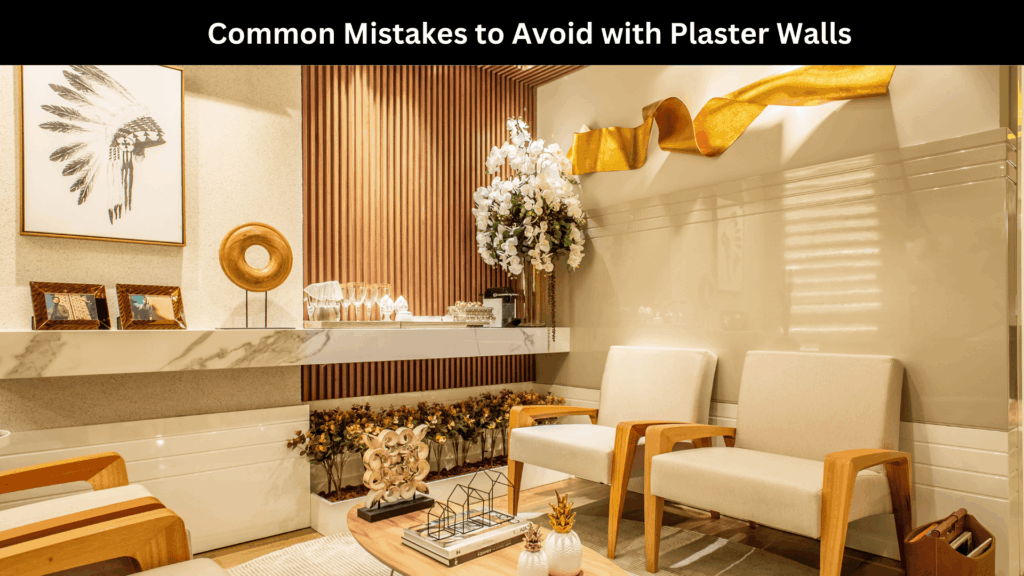
Avoiding these mistakes ensures lasting results.
FAQs
Are plaster walls better than painted walls?
Plaster offers texture, durability, and depth that paint cannot replicate.
Do plaster walls crack easily?
When properly applied, plaster is flexible and resists cracking.
Can plaster walls be painted later?
Yes, though many homeowners prefer the natural finish.
Are plaster walls suitable for modern homes?
Absolutely. They complement modern design beautifully.
How long do plaster walls last?
Decades, often longer than painted surfaces.
Is plaster environmentally friendly?
Yes, especially lime-based plasters.
Conclusion
Plaster walls are more than a design trend—they’re a thoughtful investment in beauty, comfort, and longevity. With their natural textures, timeless appeal, and adaptability, they suit a wide range of interiors and lifestyles.