Layered Rug Combinations: 17 Powerful Ideas That Transform Any Room
Layered Rug Combinations explained with expert tips, practical ideas, and proven design rules to transform comfort, texture, and style in any space.
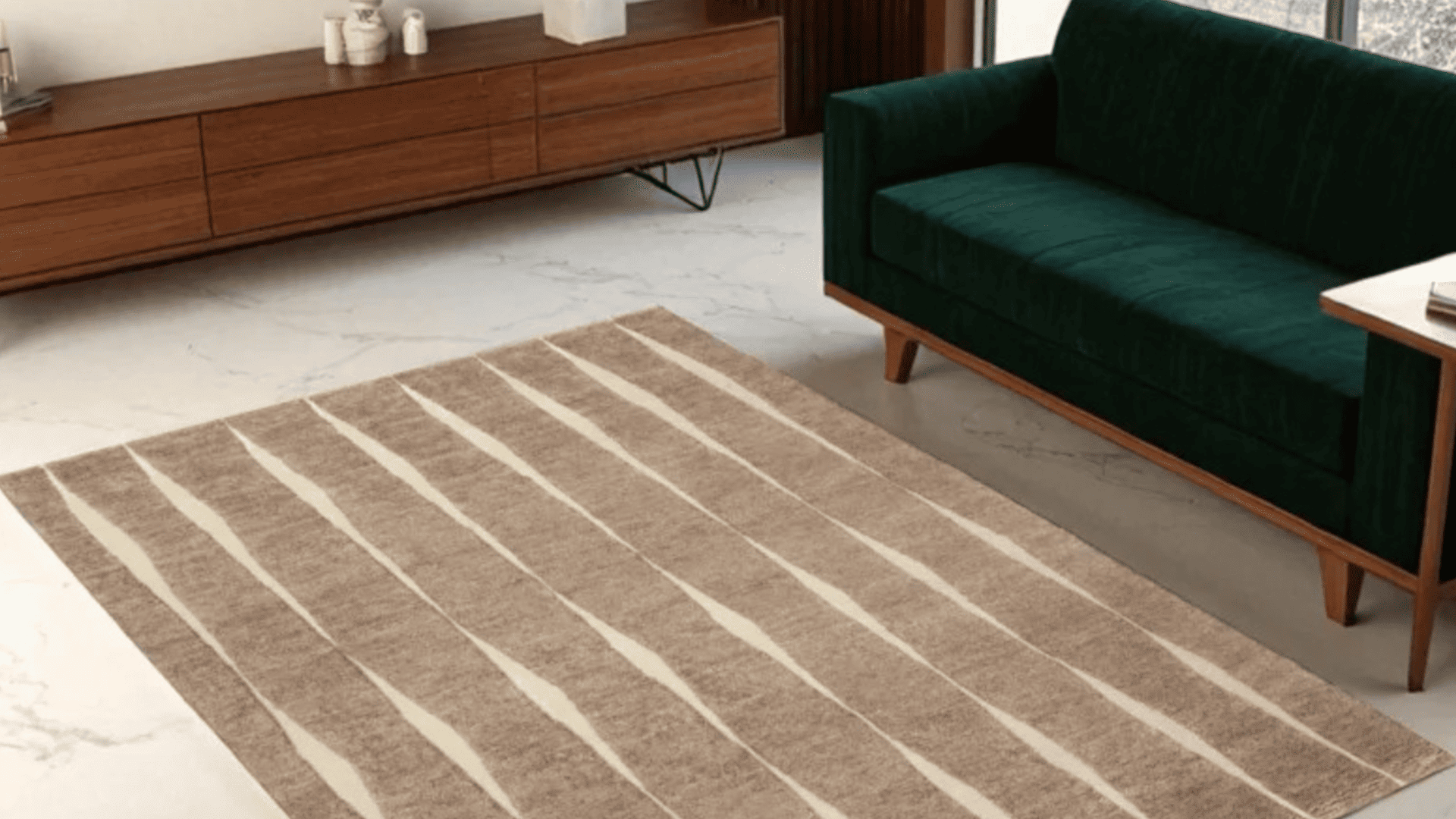
Layered Rug Combinations have become one of the most powerful tools in modern interior design, and honestly, it’s easy to see why. This approach allows homeowners and designers to blend texture, color, and personality in ways that a single rug simply can’t achieve. Whether you’re working with a minimalist apartment or a cozy family home, layered rugs create visual interest while adding warmth and comfort underfoot.
At its core, rug layering is about thoughtful contrast. A neutral foundation anchors the room, while a secondary rug introduces character. When done well, the result feels intentional, balanced, and welcoming—not busy or chaotic. Let’s explore how this design technique works, why it matters, and how you can use it with confidence.
Understanding the Concept of Layered Rugs
Definition and Visual Impact of Rug Layering
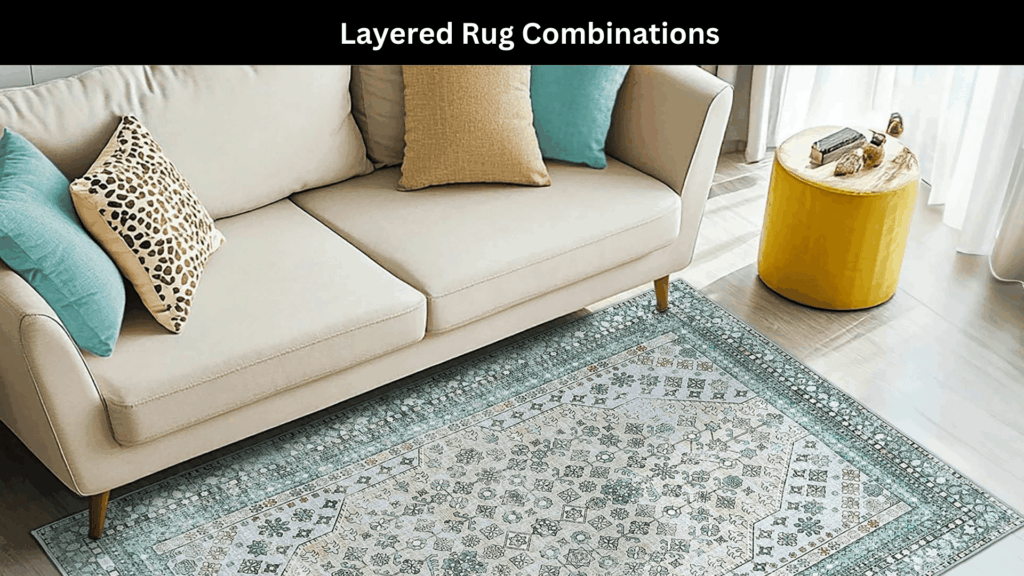
Layered rugs involve placing one rug on top of another to create depth, contrast, and dimension. Typically, a larger, neutral rug sits at the bottom, while a smaller, more decorative rug rests on top. This combination draws the eye and helps define seating areas or focal points.
The visual impact is immediate. A flat floor becomes dynamic, and a plain room gains character. Instead of relying solely on furniture or wall décor, layered rugs work from the ground up, shaping how the entire space feels.
Why Layered Flooring Styles Are Trending
Interior trends often shift toward flexibility, and layered rugs fit perfectly into this mindset. People want homes that feel curated but not rigid. Rug layering allows you to update a room without replacing everything. Simply swapping the top rug can refresh the entire look.
Social media, design blogs, and home makeover shows have also played a role. Designers showcase layered floors as a way to mix old and new, high and low, classic and modern—without breaking design rules.
Historical Roots of Multi-Rug Styling
Interestingly, rug layering isn’t new. Traditional homes across Asia, the Middle East, and Europe often layered textiles for warmth and status. Over time, this practical solution evolved into a decorative art form. Today’s layered rug combinations borrow from that heritage while adapting to modern lifestyles.
Benefits of Layered Rug Combinations in Interior Design
Enhancing Texture and Depth
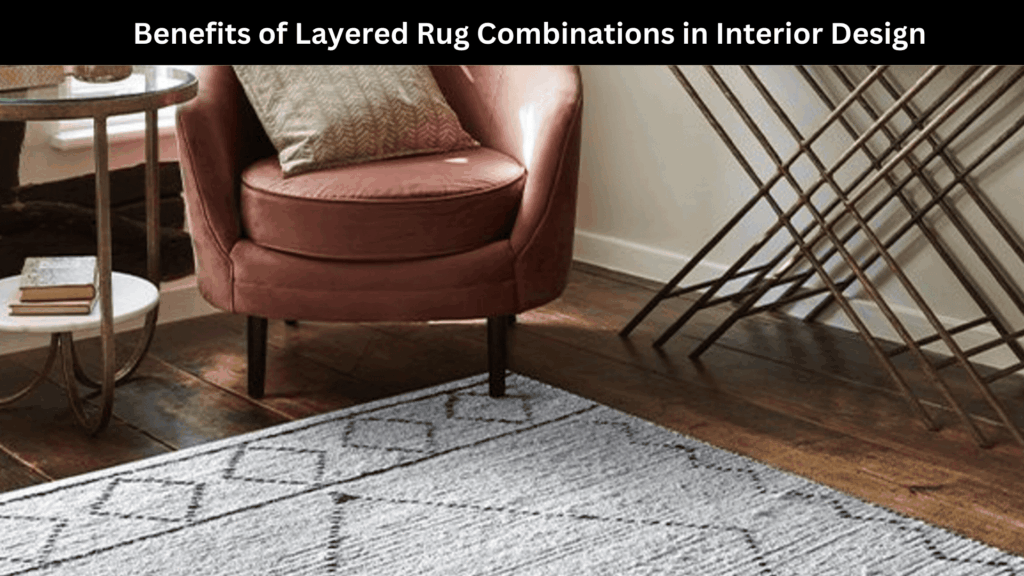
One of the strongest advantages of layering rugs is texture. A flat-woven base paired with a plush or patterned rug creates contrast you can see and feel. This depth makes rooms feel more complete and thoughtfully designed.
Texture also softens hard architectural lines. In rooms with sleek furniture or polished floors, layered rugs bring balance and warmth.
Improving Comfort and Warmth
Let’s face it—hard floors can feel cold. Layered rugs add cushioning underfoot, making living spaces more inviting. In bedrooms, this extra softness is especially appreciated first thing in the morning.
Practical Benefits for High-Traffic Areas
In busy areas, layered rugs can extend the life of your flooring. The top rug absorbs wear, while the base rug protects the floor beneath. When the smaller rug shows signs of wear, it’s easier and cheaper to replace than a large, room-sized piece.
Choosing the Right Base Rug
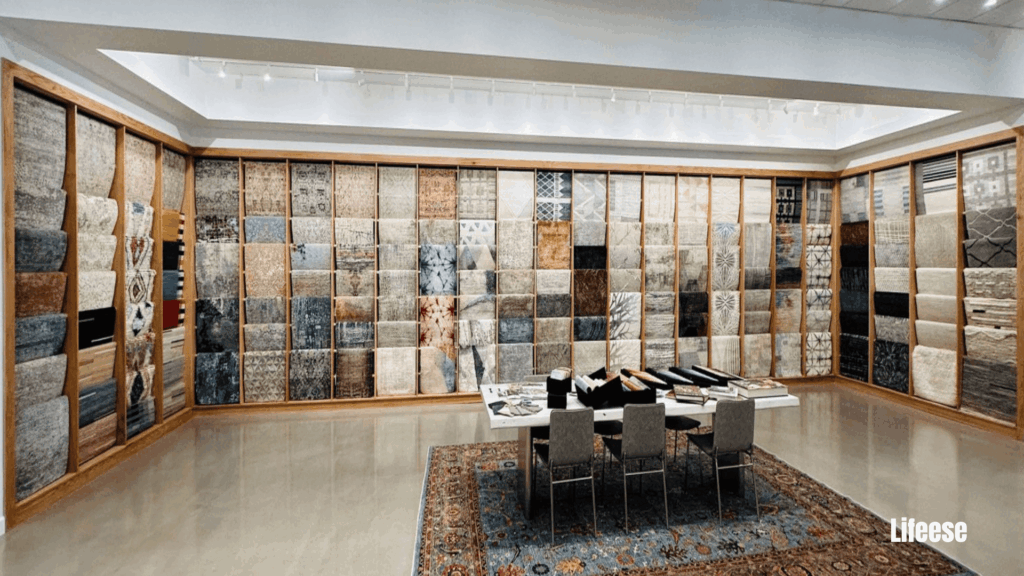
Natural Fiber Rugs as Foundations
The base rug sets the tone. Natural fibers like jute, sisal, and seagrass are popular because they’re durable, neutral, and textured without being overpowering. These rugs ground the space and make layering feel effortless.
Jute, Sisal, and Seagrass Options
- Jute: Soft underfoot with a casual look
- Sisal: Strong and structured, ideal for busy rooms
- Seagrass: Smooth and moisture-resistant
Each option works well as a foundation because it doesn’t compete with the top layer.
Size and Shape Considerations
A base rug should be large enough to anchor the furniture. Ideally, all major pieces sit either fully or partially on it. Rectangular shapes are common, but don’t rule out round or oval bases for creative layouts.
Selecting the Top Layer Rug
Pattern, Color, and Material Balance
The top rug is where personality shines. This is your chance to introduce bold patterns, rich colors, or luxurious materials. Vintage rugs, hand-woven styles, or modern graphics all work beautifully when balanced with a neutral base.
A good rule of thumb is contrast without conflict. If the base rug is rough and neutral, choose something softer and more detailed on top.
Statement Rugs vs Neutral Accents
- Statement rug: Bold colors or intricate patterns that draw attention
- Neutral accent rug: Subtle tones that add softness without dominating
Your choice depends on whether you want the floor to be a focal point or a supporting element.
Color Theory for Layered Rug Combinations
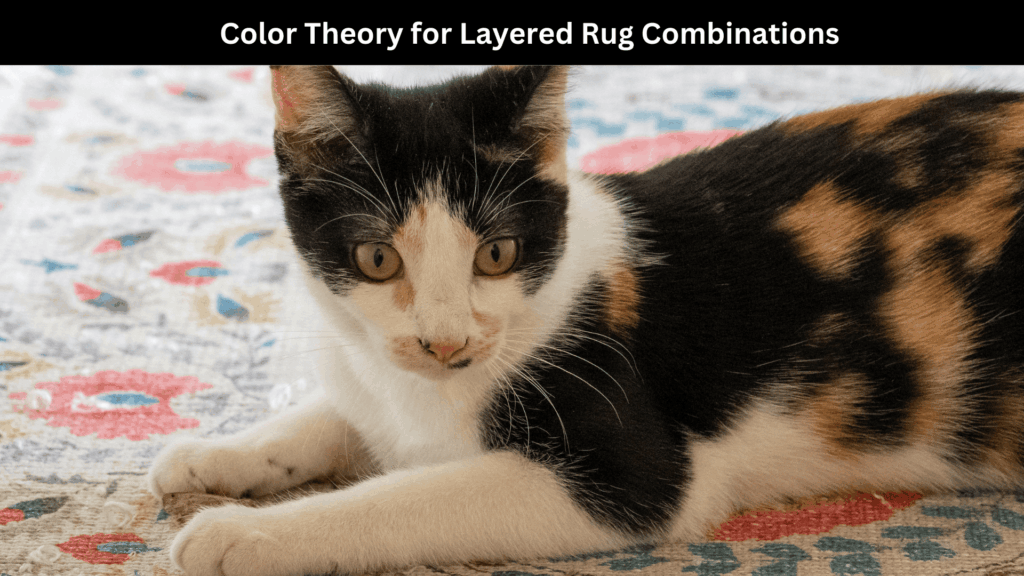
Coordinating Warm and Cool Tones
Successful layered rug combinations often rely on thoughtful color coordination. Warm tones like reds, oranges, and earthy browns pair well with neutral bases. Cool tones such as blues and greens can calm a space and add balance.
The key is repetition. Echo at least one color from the top rug elsewhere in the room—pillows, art, or throws—to create cohesion.
Creating Contrast Without Clutter
Contrast should feel intentional. Avoid pairing two heavily patterned rugs unless one has a much larger scale. When in doubt, let one rug lead and the other support.
FAQs
Can I layer rugs on carpet?
Yes, layering rugs on carpet adds definition and style, especially in rentals.
Do layered rugs make a room look smaller?
No, when sized correctly, they actually define space and add depth.
How do I keep layered rugs from slipping?
Use rug pads between layers for safety and stability.
Are layered rugs practical for homes with pets?
Absolutely. Smaller top rugs are easier to clean or replace.
Should layered rugs match furniture?
They should complement, not match exactly. Harmony matters more than sameness.
Can layered rugs work in modern homes?
Yes. Clean lines paired with textured rugs create stunning contrast.
Conclusion
Layered Rug Combinations offer a flexible, stylish, and practical way to transform interiors. By blending textures, colors, and materials, you create spaces that feel warm, personal, and thoughtfully designed. With the right balance, rug layering becomes less about rules and more about expression.