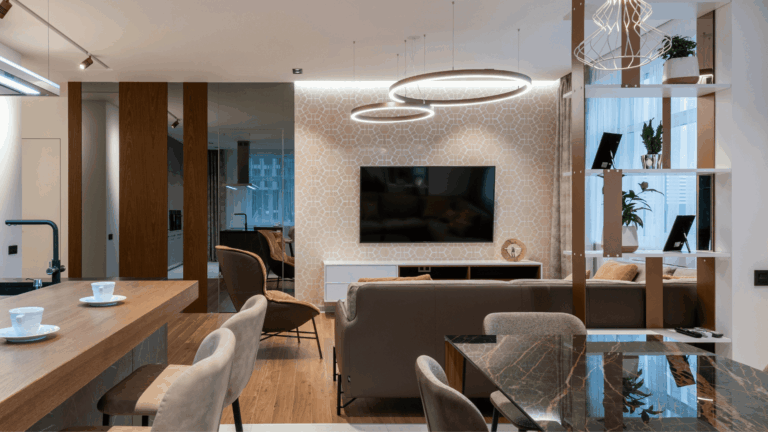
Eclectic Gallery Wall Layout: A Powerful Guide to 21 Stunning Design Wins
Eclectic Gallery Wall Layout ideas explained with expert planning, styling, and layout strategies for timeless, expressive interiors.
An eclectic gallery wall is more than decoration—it’s a visual autobiography. When done right, it blends art, memories, texture, and personality into one cohesive display that feels curated rather than chaotic. This guide draws from real interior design practice and proven styling principles to help homeowners, renters, and creatives confidently build a gallery wall that feels intentional, expressive, and timeless.
At its heart, an Eclectic Gallery Wall Layout balances contrast with harmony. It allows different art styles, frame shapes, and sizes to coexist while still telling a unified story. Whether you’re filling a blank hallway or transforming a living room focal point, the right layout can elevate the entire space.
Understanding Eclectic Interior Design Principles
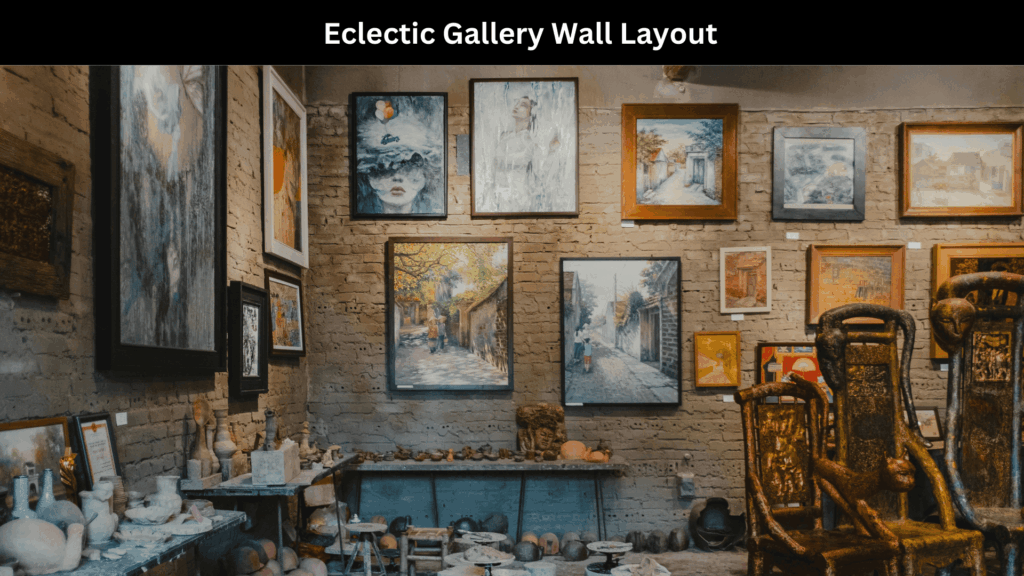
Eclectic design is rooted in thoughtful contrast. Instead of following one strict style, it borrows elements from multiple aesthetics—modern, vintage, rustic, global—while maintaining balance. The key is intention. Every piece should feel chosen, not random.
Successful eclectic interiors rely on repetition, rhythm, and restraint. Color echoes, recurring materials, or consistent spacing help unify diverse elements. Without these anchors, eclectic design can quickly feel cluttered.
What Makes a Gallery Wall Truly Eclectic
A gallery wall becomes eclectic when it combines:
- Different art mediums (paintings, prints, textiles)
- Varied frame materials and finishes
- A mix of personal and decorative pieces
The magic happens when contrast is paired with storytelling. Each piece contributes to a larger narrative rather than competing for attention.
Historical Roots of Gallery Walls in Home Decor
Gallery walls trace back to 17th-century European salons, where artwork was displayed floor to ceiling. Today’s interpretations are looser and more personal, borrowing the same layered richness while adapting to modern living spaces.
Planning an Eclectic Gallery Wall Layout from Scratch
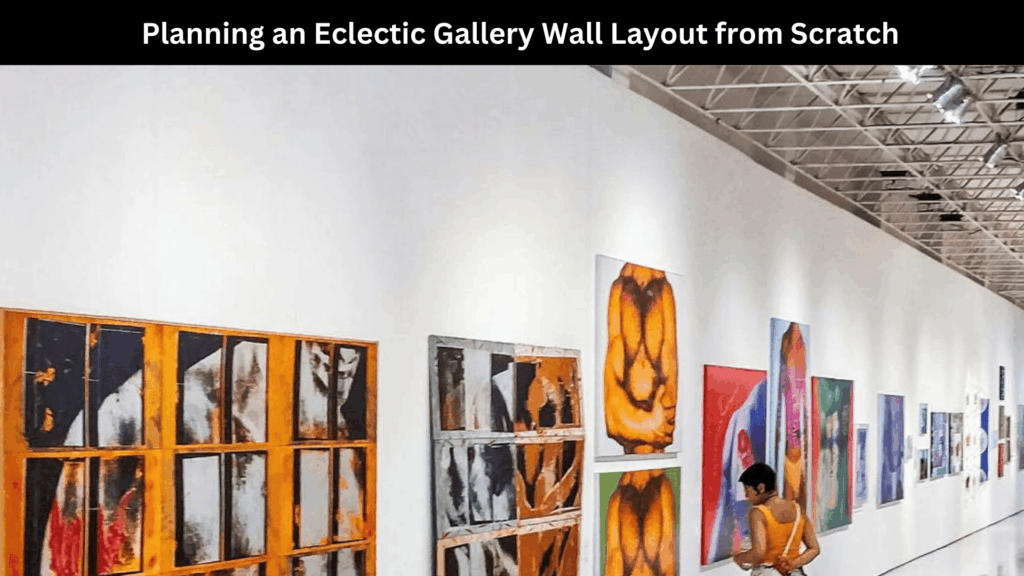
Planning is what separates a polished gallery wall from a stressful redo. Start by defining the mood you want to create—calm, bold, playful, or reflective. Next, evaluate the room’s architecture, lighting, and furniture placement.
A well-planned wall respects negative space. Empty space isn’t wasted; it gives the eye a place to rest and highlights the artwork itself.
Choosing the Right Wall and Spatial Context
Not all walls are equal. High-traffic areas like hallways benefit from durable frames and tighter spacing, while living rooms allow for larger statement pieces. Staircase walls work best with vertical flow and consistent alignment.
Traffic Flow and Viewing Angles
Art should be placed at comfortable viewing heights—generally at eye level. In staircases or seating areas, adjust height based on how the wall is experienced.
Measuring Wall Dimensions Accurately
Use painter’s tape or paper templates to mock up layouts before hanging. This simple step prevents uneven spacing and unnecessary wall damage.
Selecting Artwork and Objects with Personality
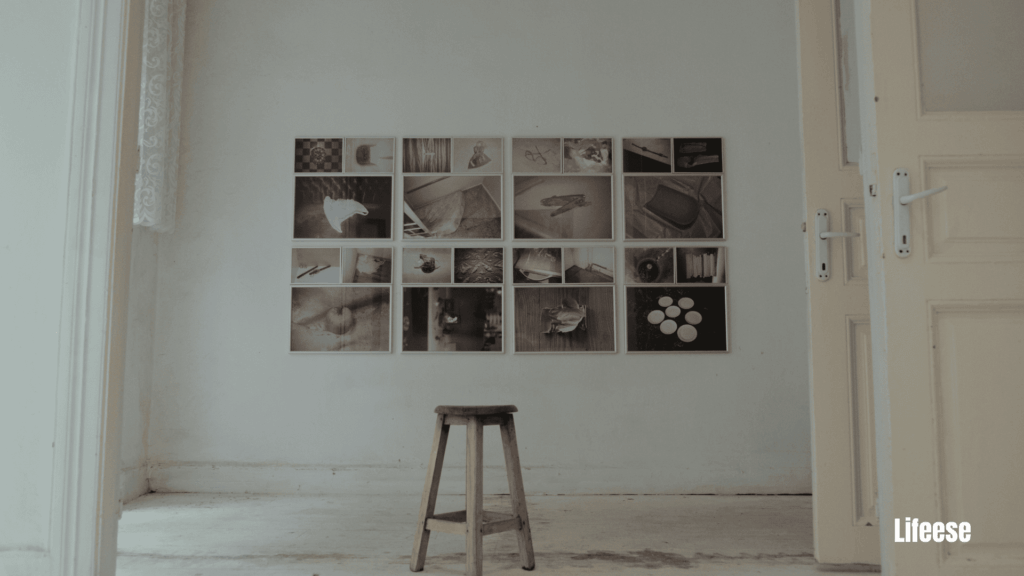
The most compelling gallery walls include pieces that mean something. Original art, travel souvenirs, family photos, and even sculptural objects add depth and authenticity.
Mixing Art Styles Without Visual Chaos
Blend abstract art with photography or line drawings, but repeat at least one element—such as color or theme—to maintain cohesion.
Incorporating Personal Memorabilia
Personal items ground the display emotionally. These pieces often become conversation starters and make the wall uniquely yours.
Frame Styles, Sizes, and Materials
Frames are the unsung heroes of gallery walls. They provide structure and visual rhythm.
How Frame Diversity Enhances Eclectic Appeal
Mix wood, metal, thin, and chunky frames—but repeat finishes to avoid visual overload.
Matting Choices and Border Effects
Mats add breathing room and help unify differently sized artwork, especially in dense arrangements.
Layout Patterns That Actually Work
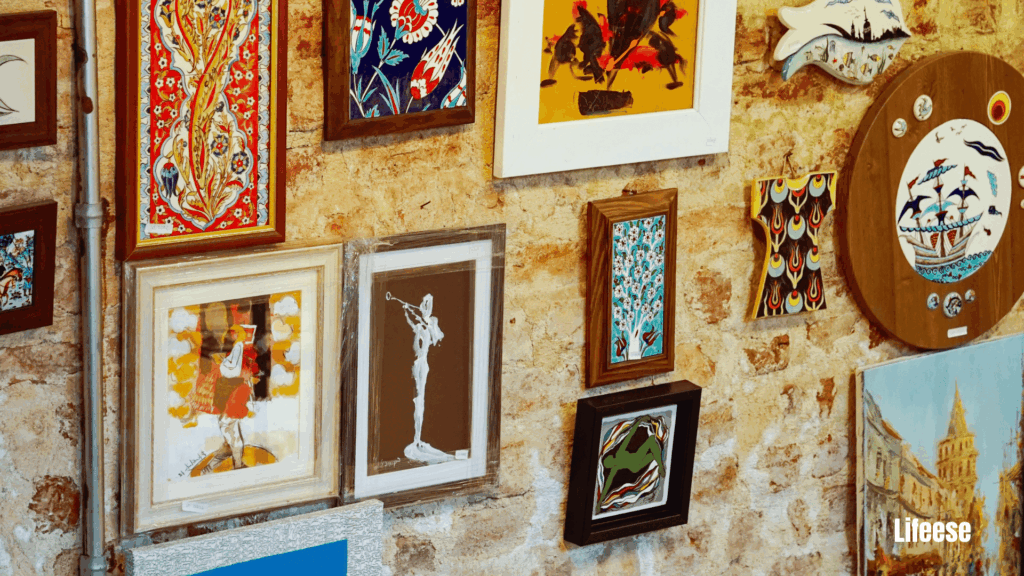
Forget perfection. Eclectic layouts thrive on organic balance rather than strict grids.
Organic, Asymmetrical, and Salon Styles
Asymmetrical layouts feel dynamic and relaxed. Start with a central anchor piece, then build outward.
Using Anchors and Focal Pieces
Large or bold artworks act as visual anchors, helping the eye navigate the wall comfortably.
Color Theory for Eclectic Gallery Walls
Color ties everything together. Even the most diverse collections benefit from a limited color palette.
Neutral vs Bold Backgrounds
White and neutral walls let artwork shine, while bold colors add drama and personality.
Accent Colors and Repetition
Repeating accent colors across frames or artwork creates unity without monotony.
Installation Techniques and Tools
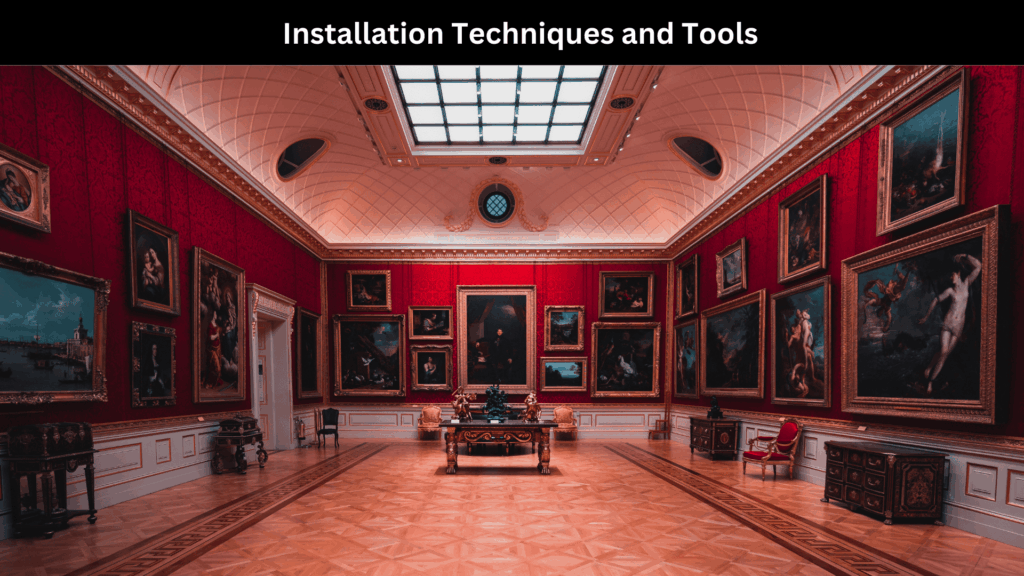
Proper installation ensures longevity and safety.
Damage-Free Hanging Solutions
Adhesive hooks and rails are ideal for renters or frequently changing displays.
Leveling, Spacing, and Alignment Tips
Use a level and measure consistently. Small misalignments become noticeable in large groupings.
FAQs
Can I mix frame colors?
Yes—just repeat each color at least twice.
How many pieces are ideal?
There’s no rule, but odd numbers often feel more natural.
Should all art be the same theme?
No. A shared color or mood is enough.
Is symmetry necessary?
Not in eclectic design. Balance matters more than symmetry.
Can I update it over time?
Absolutely. Gallery walls evolve beautifully.
Where can I find inspiration?
Design resources like Architectural Digest offer real-world examples: https://www.architecturaldigest.com
Conclusion
Designing an eclectic gallery wall is an act of self-expression. Trust your instincts, plan thoughtfully, and allow the wall to grow with you. When balance meets personality, the result is always powerful.