Japandi Living Room Design: A Timeless, Powerful Guide to Calm Minimalism (2025)
Japandi Living Room Design is more than a passing interior trend—it is a thoughtful lifestyle choice that reflects balance, mindfulness, and purpose. By merging Japanese simplicity with Scandinavian warmth, this design style creates living rooms that feel calm yet welcoming, minimal yet comfortable. In today’s fast-paced world, people are craving spaces that allow them to slow down, breathe, and reconnect with what truly matters. Japandi answers that call beautifully.
At its core, Japandi Living Room Design focuses on functionality, natural beauty, and emotional well-being. Every piece of furniture has a purpose. Every color has intention. Nothing feels cluttered, yet nothing feels cold. Instead, the space gently invites you in and encourages rest, reflection, and connection.
This guide draws on first-hand design experience and proven interior principles to help you understand, plan, and create a living room that feels timeless and deeply personal. Whether you live in a compact apartment or a spacious home, Japandi design adapts effortlessly to your lifestyle.
Understanding the Japandi Aesthetic
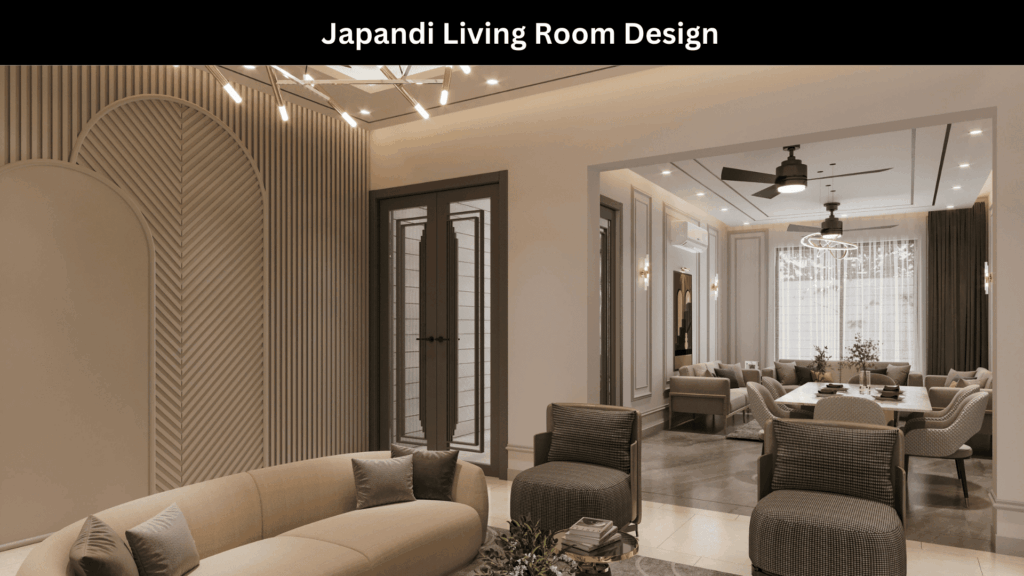
Japandi design is a harmonious fusion of two design philosophies that may come from different parts of the world but share a surprisingly similar soul. Japanese interiors emphasize restraint, nature, and the beauty of imperfection, while Scandinavian interiors celebrate comfort, simplicity, and practicality. Together, they form a style that feels both grounded and refined.
Japanese Design Philosophy
Japanese interiors are rooted in the concept of wabi-sabi, which finds beauty in imperfection, aging, and simplicity. In a Japandi living room, this philosophy shows up through natural textures, handcrafted decor, and an appreciation for quiet spaces. Clean lines, low furniture, and uncluttered layouts create a sense of calm that feels almost meditative.
Rather than filling the room with objects, Japanese-inspired design values empty space. This negative space allows the eye to rest and the mind to relax. It also encourages intentional living—keeping only what is useful or meaningful.
Scandinavian Interior Principles
Scandinavian design brings warmth and approachability to Japandi interiors. Known for its focus on functionality and comfort, it introduces soft textiles, light wood tones, and cozy elements that make a living room feel lived-in rather than stark.
The idea of hygge—a sense of coziness and well-being—plays a major role here. In Japandi Living Room Design, hygge appears through plush cushions, warm lighting, and inviting seating arrangements that encourage conversation and relaxation.
Why Japandi Living Room Design Is So Popular Today
The growing popularity of Japandi Living Room Design is closely tied to how people live today. As homes become multifunctional spaces for work, rest, and socializing, there is a strong need for interiors that feel peaceful yet practical.
Minimalism Without Coldness
Unlike traditional minimalism, which can sometimes feel sterile, Japandi offers warmth and softness. Natural materials, muted colors, and tactile surfaces prevent the space from feeling empty or uninviting. This balance makes Japandi especially appealing to families and individuals alike.
Emotional Benefits of Calm Spaces
Studies and design experience consistently show that calm, uncluttered environments help reduce stress and improve focus. Japandi living rooms are designed to support emotional well-being by limiting visual noise and promoting harmony. Walking into such a space often feels like taking a deep, calming breath.
Core Elements of Japandi Living Room Design
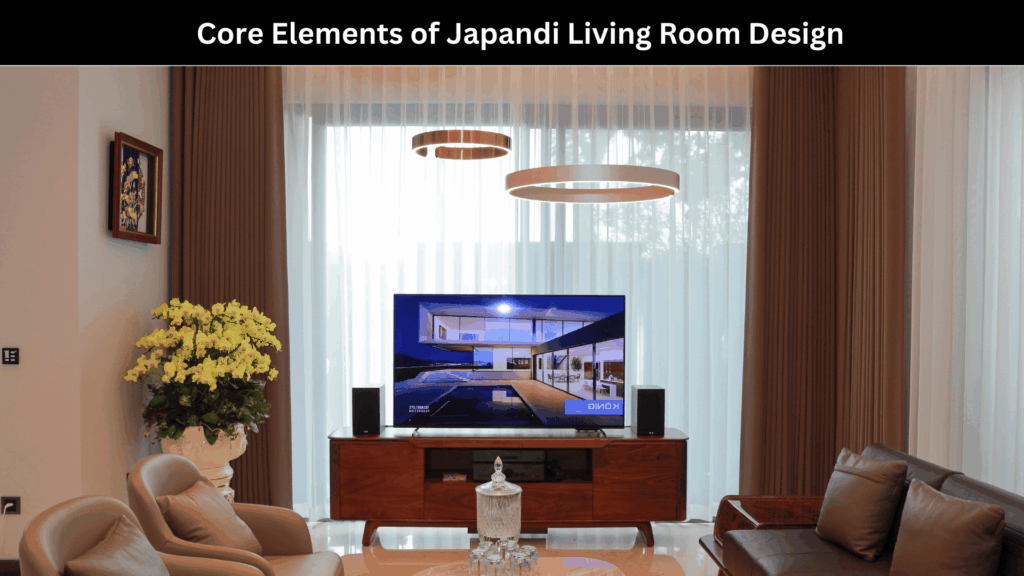
To successfully create a Japandi living room, it’s essential to understand its core elements. These components work together to produce a space that feels cohesive and intentional rather than styled.
Neutral and Earthy Color Palettes
Japandi interiors rely heavily on neutral and earthy tones. Shades like beige, warm gray, taupe, soft white, and clay form a soothing backdrop. These colors reflect nature and create a sense of continuity throughout the room.
Using Contrast Thoughtfully
While Japandi is mostly soft and muted, contrast plays an important role. Dark wood furniture against light walls or black accents paired with warm textiles add depth without overwhelming the space. The key is moderation—contrast should feel deliberate, not dramatic.
Furniture Selection in Japandi Living Rooms
Furniture is the backbone of Japandi Living Room Design. Every piece must balance beauty with function, comfort with restraint. In Japandi interiors, furniture never shouts for attention. Instead, it quietly supports daily life while contributing to a calm visual rhythm.
Low-Profile Furniture
One of the most recognizable features of Japandi living rooms is low-profile furniture. Inspired by traditional Japanese seating, sofas and chairs often sit closer to the ground. This creates a grounded feeling and makes the room appear more spacious. Low furniture also encourages a relaxed posture, subtly inviting you to slow down.
Clean lines are essential. Avoid ornate carvings or bulky silhouettes. Instead, look for simple shapes with soft edges. A low wooden sofa with neutral upholstery or a minimalist coffee table made from solid wood fits perfectly within this aesthetic.
Natural Materials and Craftsmanship
Japandi furniture celebrates craftsmanship. Solid wood, bamboo, rattan, and natural fabrics are preferred over synthetic materials. Scandinavian influence brings light-toned woods like oak and ash, while Japanese influence introduces darker finishes such as walnut or stained wood.
Quality matters more than quantity. It is better to invest in a few well-made pieces than to overcrowd the room with unnecessary furniture. This approach reflects sustainability, durability, and respect for materials.
Layout and Space Planning
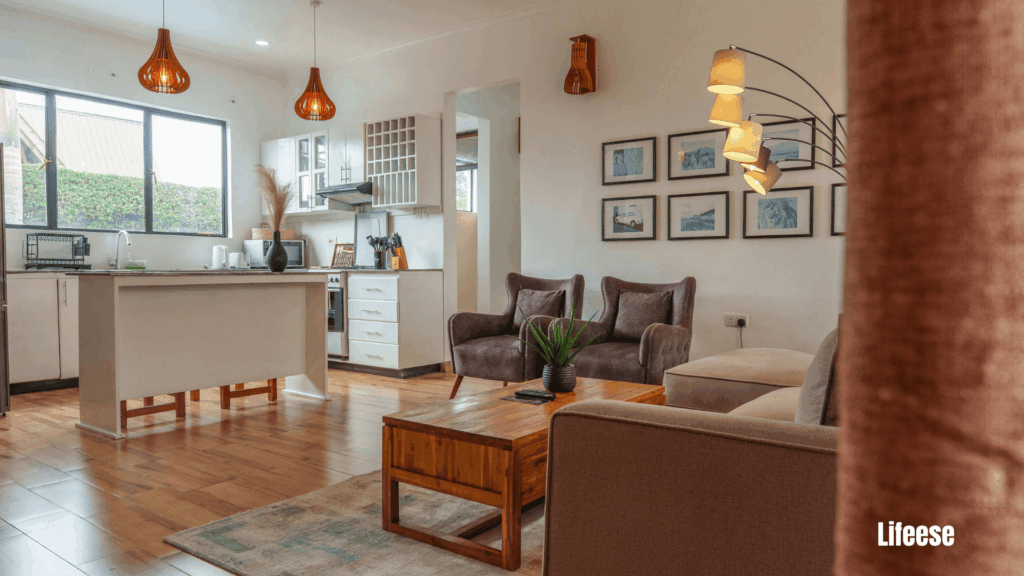
A well-planned layout is essential for achieving balance in Japandi Living Room Design. The goal is to create flow—both physical and visual—so movement feels effortless and the room feels open.
Open Layout Principles
Japandi living rooms benefit from open layouts that allow each element to breathe. Furniture should be arranged to support conversation and relaxation without blocking pathways. Leave space between items rather than pushing everything against walls.
Decluttering is non-negotiable. Storage solutions should be integrated into the layout so everyday items remain out of sight. This keeps the living room feeling calm and intentional.
Textures and Materials That Define Japandi
While Japandi interiors appear minimal, they are rich in texture. This layered approach prevents the space from feeling flat or boring.
Wood Tones and Finishes
Wood is central to Japandi Living Room Design. Mixing light and dark wood tones adds depth while maintaining harmony. Matte or satin finishes are preferred over glossy ones, as they feel more natural and understated.
Soft Textiles and Organic Fabrics
Textiles bring comfort and warmth. Linen curtains, cotton cushions, wool throws, and jute rugs introduce softness without visual clutter. Stick to neutral shades and subtle patterns to maintain cohesion.
Lighting in Japandi Living Room Design
Lighting plays a powerful role in shaping the mood of a Japandi living room. It should feel soft, warm, and layered.
Natural Light Optimization
Maximize natural light whenever possible. Sheer curtains or light-filtering blinds allow sunlight to enter while maintaining privacy. Natural light enhances the textures and colors that define Japandi spaces.
Artificial Lighting Choices
When the sun sets, artificial lighting should mimic its warmth. Paper lanterns, fabric lampshades, and warm LED bulbs create a gentle glow. Avoid harsh overhead lighting. Instead, use floor lamps, table lamps, and wall sconces for a layered effect.
Japandi Color Schemes Explained
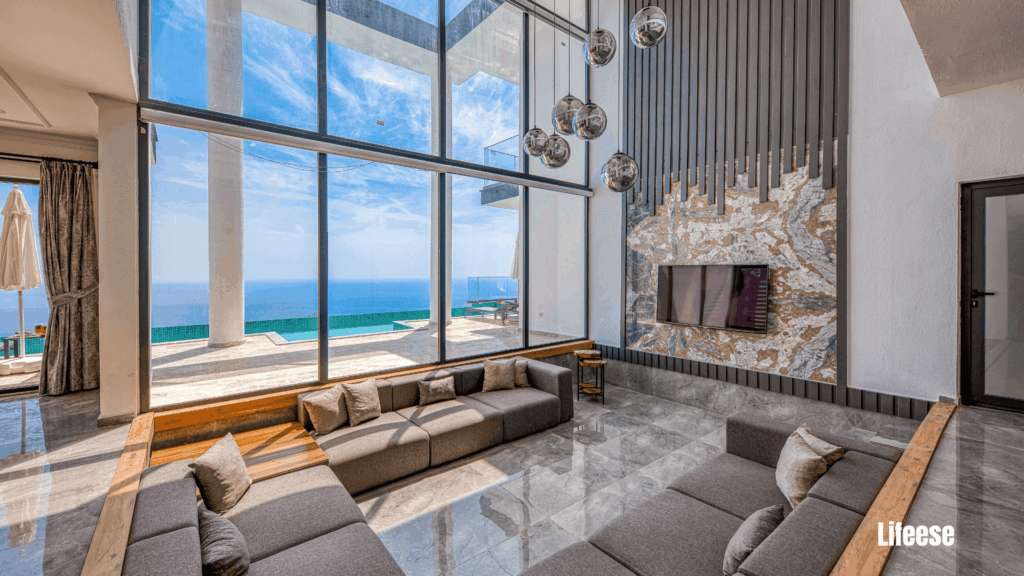
Color in Japandi Living Room Design is subtle but impactful. The palette is inspired by nature and designed to calm the senses.
Warm Neutrals vs Cool Neutrals
Warm neutrals like beige, cream, and soft brown create comfort, while cool neutrals like gray and stone add balance. The key is harmony—no single color should dominate the room.
Decorative Accents and Styling
Decor in Japandi interiors is intentional and meaningful. Each piece should serve a purpose or tell a story.
Handmade and Ceramic Decor
Handcrafted ceramics, stone vases, and simple art pieces reflect the beauty of imperfection. These items add character without overwhelming the space.
Greenery and Indoor Plants
Plants bring life into Japandi living rooms. Choose simple greenery like fiddle-leaf figs, bonsai trees, or dried branches. Keep planters minimal and natural.
Storage Solutions for Japandi Living Rooms
A clutter-free environment is essential. Storage should be practical yet discreet.
Hidden Storage Ideas
Use cabinets with clean fronts, storage benches, and low sideboards to keep items out of sight. This maintains visual calm and supports everyday functionality.
Sustainability in Japandi Design
Japandi Living Room Design naturally supports sustainable living. Durable materials, timeless aesthetics, and mindful consumption reduce waste and encourage long-term use.
Sustainable Materials
Choose furniture and decor made from responsibly sourced wood, natural fibers, and eco-friendly finishes. This approach aligns with both Japanese and Scandinavian values.
Common Mistakes to Avoid
One common mistake is over-decorating. Japandi thrives on restraint. Another is mixing too many styles, which can disrupt harmony. Stick to the core principles to maintain balance.
Japandi Living Room Design for Small Spaces
Japandi works exceptionally well in small living rooms. Low furniture, light colors, and smart storage make compact spaces feel open and calm.
Budget-Friendly Japandi Living Room Ideas
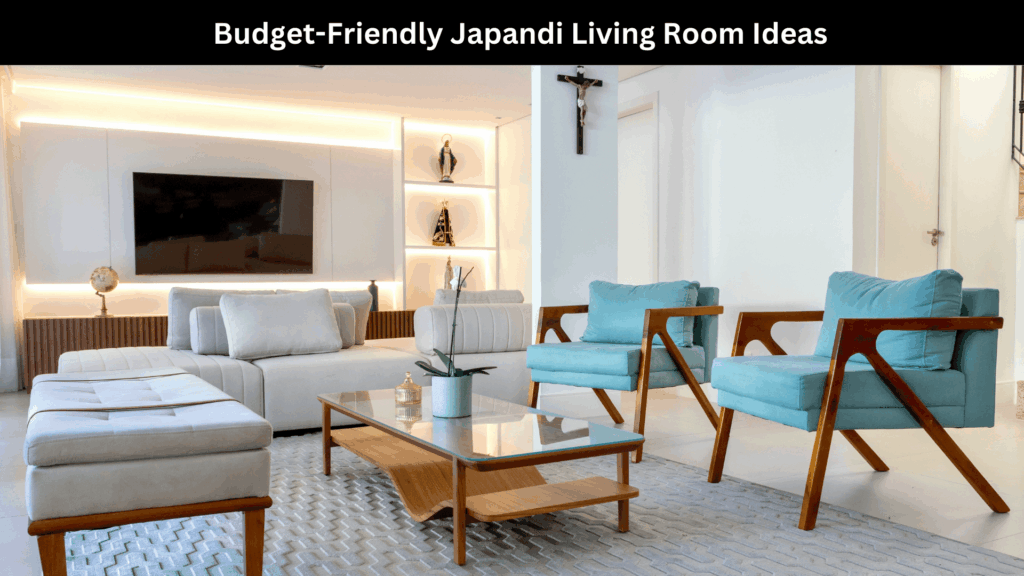
You don’t need a large budget to achieve Japandi style. Focus on decluttering, repainting walls in neutral tones, and adding natural textiles. Second-hand wooden furniture can also fit beautifully into Japandi interiors.
FAQs
What makes Japandi different from minimalism?
Japandi combines minimalism with warmth, texture, and comfort, making spaces feel inviting rather than cold.
Can Japandi work in modern homes?
Yes, Japandi blends seamlessly with modern architecture and open-plan living.
Is Japandi suitable for families?
Absolutely. Its focus on functionality and durability makes it family-friendly.
What colors are best for Japandi living rooms?
Neutral and earthy tones inspired by nature work best.
Can I mix plants into Japandi design?
Yes, greenery is encouraged, but keep it simple and intentional.
Is Japandi a long-term design style?
Yes, its timeless principles ensure it remains relevant for years.
Conclusion
Japandi Living Room Design is not about following strict rules—it’s about creating a space that feels balanced, peaceful, and deeply human. By combining Japanese mindfulness with Scandinavian comfort, Japandi offers a living room that supports both daily life and emotional well-being.
When designed thoughtfully, a Japandi living room becomes more than a place to sit. It becomes a retreat, a gathering space, and a reflection of intentional living. By choosing quality over quantity and calm over chaos, you create a home that truly stands the test of time.