Rustic Farmhouse Dining Room: Complete Guide to Designing a Warm & Inviting Space
Discover the ultimate guide to creating a Rustic Farmhouse Dining Room. Learn design tips, furniture choices, decor ideas, and styling secrets to craft a cozy, timeless dining space.
Understanding the Rustic Farmhouse Style
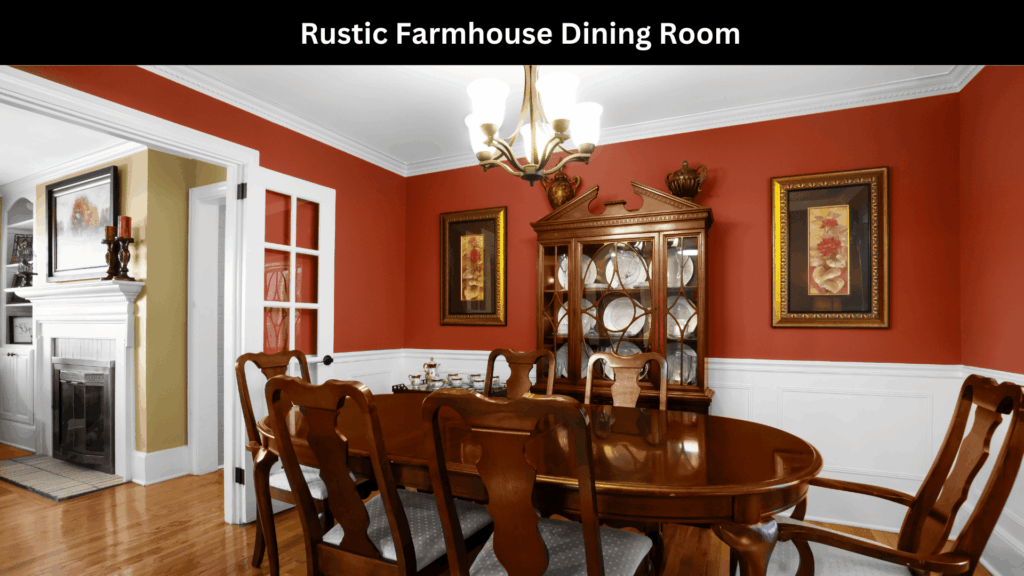
The rustic farmhouse dining room style combines warmth, charm, and practicality, inspired by traditional country living and vintage aesthetics. At its core, rustic farmhouse design celebrates natural materials, neutral tones, and a lived-in, welcoming atmosphere. This style has become popular in modern homes because it effortlessly merges timeless elegance with comfortable functionality.
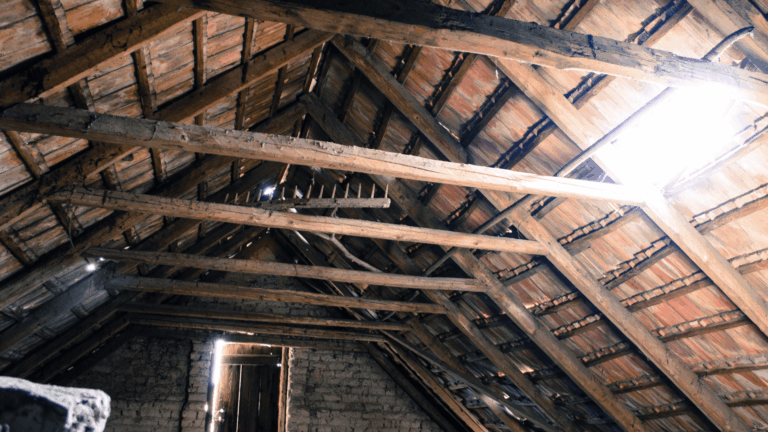
Key characteristics include exposed wood beams, distressed furniture, natural fabrics, and earthy color palettes. The use of reclaimed wood, wrought iron, and vintage accessories is common, giving the space an authentic, slightly aged appearance without feeling outdated. Neutral shades like creams, soft whites, muted greens, and warm browns dominate the color scheme, creating a calm, inviting environment.
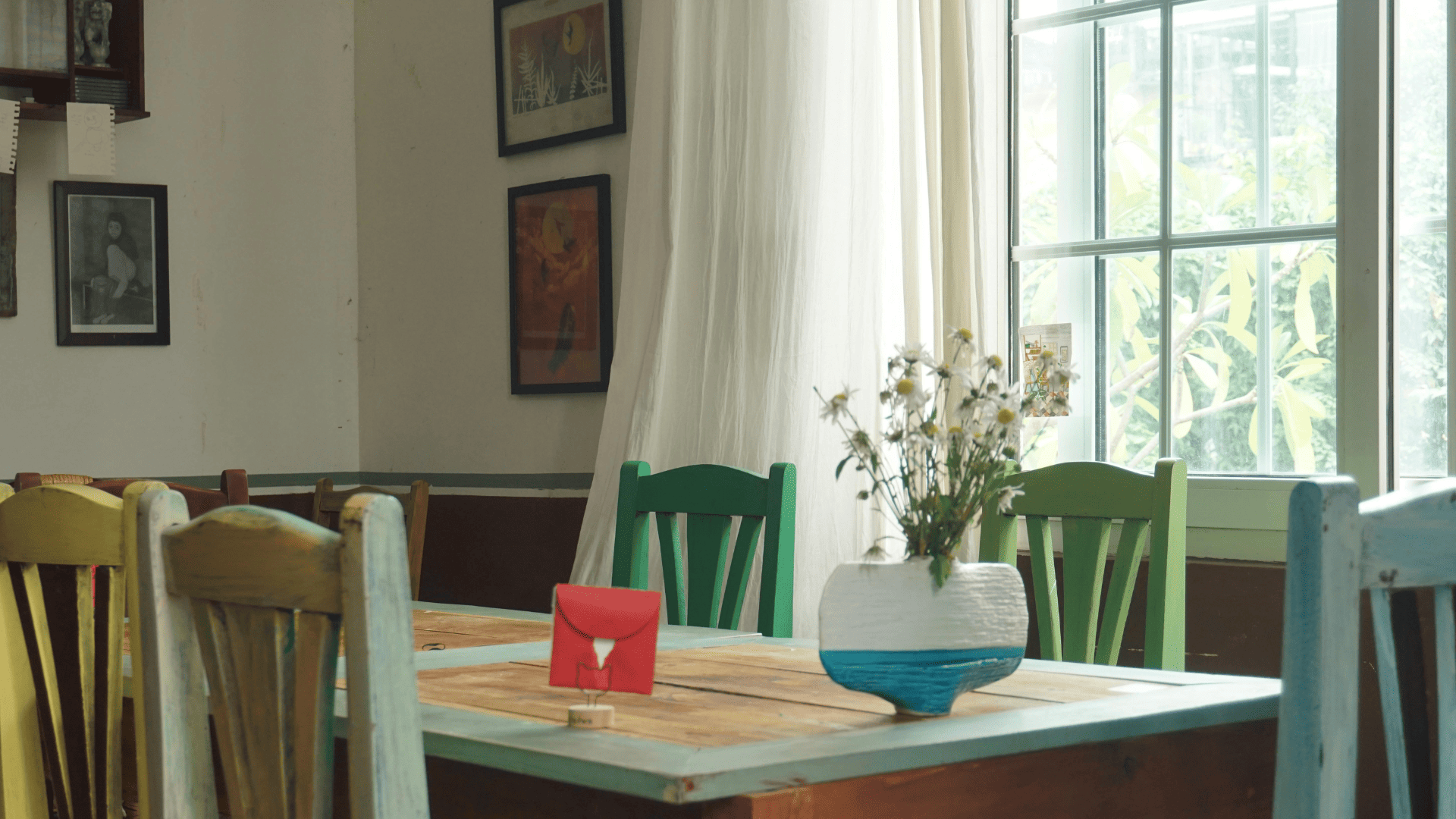
Textures are vital to the rustic farmhouse style. Think linen curtains, wooden floors, braided rugs, and rough-hewn tables. These tactile elements help the room feel lived-in and authentic. The interplay of smooth and rough surfaces adds depth, while natural light enhances the overall ambiance.
Incorporating vintage or antique elements, such as distressed cabinets, hand-carved chairs, and weathered accessories, evokes a sense of nostalgia. These items not only serve a decorative purpose but also tell a story, connecting the present space to simpler, rustic roots.
Another essential component is the blending of old and new. While traditional farmhouse elements dominate, modern accents—like clean-lined lighting fixtures or minimalistic tableware—can create a balanced, updated look without undermining the rustic charm. The result is a dining room that feels warm, inviting, and sophisticated yet comfortably casual.
Ultimately, the rustic farmhouse style is about creating a space that feels authentically cozy, practical, and timeless. It prioritizes comfort, storytelling, and connection to nature, making it perfect for dining areas where family and friends gather regularly.
Planning Your Rustic Farmhouse Dining Room Layout
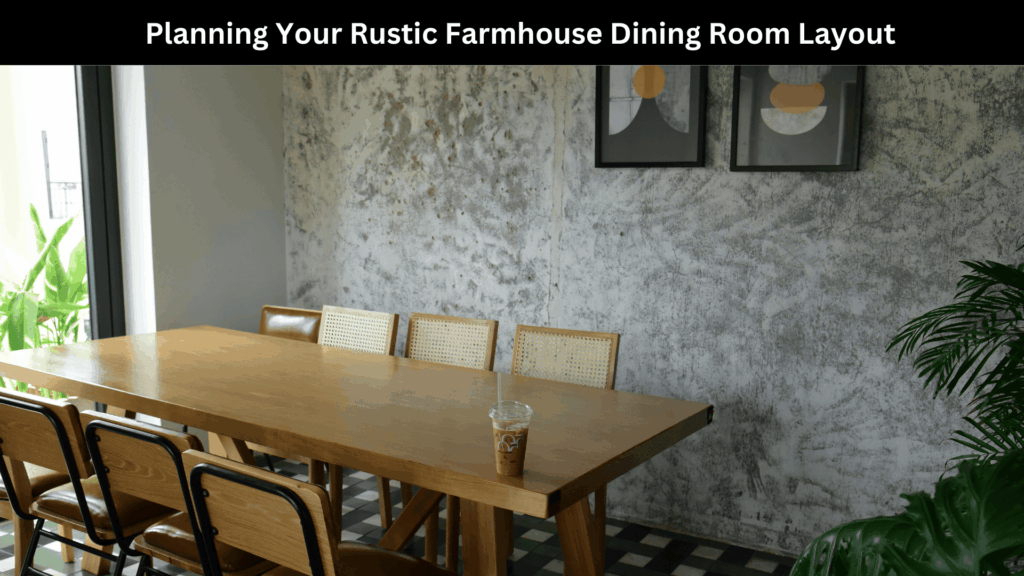
Effective layout planning is crucial for a Rustic Farmhouse Dining Room because it determines the functionality, flow, and overall experience. The first step involves assessing the available space and understanding how many people the room needs to accommodate regularly. Consider both intimate dinners and larger gatherings, ensuring the layout can adapt to different occasions.
For smaller spaces, round or oval tables often work best, as they encourage conversation and maximize room flow. In larger rooms, rectangular tables with extended leaves can provide flexibility for hosting extended family and friends. The key is maintaining balance between furniture size and the room’s dimensions, avoiding overcrowding while ensuring comfort.
Open-concept dining spaces are increasingly popular, as they create a natural flow between the kitchen, living area, and dining room. In these layouts, consider zoning the dining area using rugs, lighting, or furniture placement. Layered lighting—such as pendant lights above the table combined with wall sconces—helps define the space without physical barriers.
Traffic patterns should be smooth and intuitive. Ensure that chairs and benches can be pulled out comfortably, and pathways remain clear. Storage placement is also vital; keep sideboards or cabinets near dining essentials but out of main walkways.
Finally, think about focal points. A rustic farmhouse dining room often centers around the table, but architectural features like exposed beams, a fireplace, or a vintage sideboard can also serve as visual anchors. Using symmetry and proportion ensures the space feels harmonious while still emphasizing the rustic farmhouse charm.
Choosing the Perfect Farmhouse Dining Table
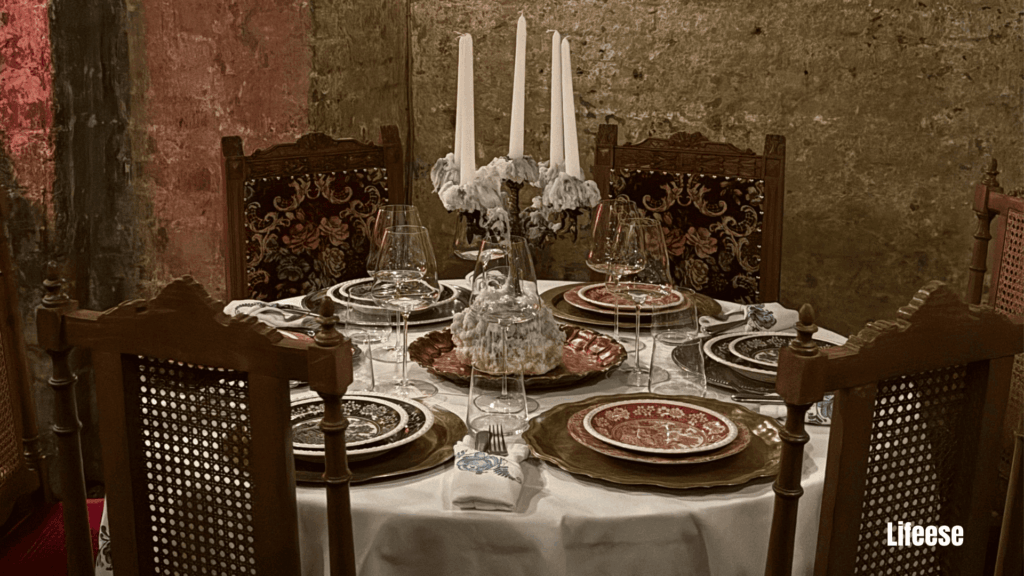
The dining table is the heart of a Rustic Farmhouse Dining Room, setting the tone for the space and determining both style and functionality. Selecting the right table involves considering materials, size, shape, and overall design compatibility.
Wood Varieties and Reclaimed Materials
Solid hardwoods such as oak, pine, and walnut are classic choices due to their durability and natural beauty. Reclaimed wood adds an authentic, rustic feel, with each mark and knot telling a story. Distressed finishes, natural grains, and imperfections are celebrated in this style, providing character and depth.
Shape and Size Considerations
Rectangular tables are traditional and offer versatility, accommodating large gatherings with ease. Round tables encourage intimacy and are ideal for smaller spaces. Extendable tables provide flexibility, balancing daily use with occasional hosting needs.
Style Integration
Match the table with other furniture and room aesthetics. For instance, a weathered wood table pairs beautifully with a mix of benches and ladder-back chairs, while a polished wood table may suit slipcovered chairs for a modern farmhouse twist. Finishing touches, like turned legs or metal accents, can further reinforce the rustic farmhouse identity.
By carefully selecting the right table, you ensure the dining space remains both functional and visually appealing, becoming the heart of shared meals and memorable gatherings.
Farmhouse Seating Options and Mix-and-Match Styles
Seating choices significantly impact both comfort and style in a Rustic Farmhouse Dining Room. Traditional options include wooden benches, ladder-back chairs, and Windsor-style chairs. Benches are practical, encouraging communal dining and flexibility for larger groups.
Mixing seating styles adds visual interest. For example, pair a long wooden bench on one side with upholstered chairs on the other to balance rustic charm with contemporary comfort. Slipcovered chairs offer softness and can be swapped seasonally to refresh the look.
Metal accents, such as iron chairs or stools, can introduce an industrial farmhouse influence, providing contrast against the warmth of wood. For larger dining areas, consider a combination of benches, chairs, and armchairs to create layers of texture and a dynamic, inviting layout.
The key is maintaining harmony while allowing for eclectic touches. This approach reinforces the cozy, casual ambiance of the rustic farmhouse style, making the dining room adaptable, stylish, and practical for daily use and special gatherings alike.
Rustic Lighting Ideas for a Cozy Farmhouse Atmosphere
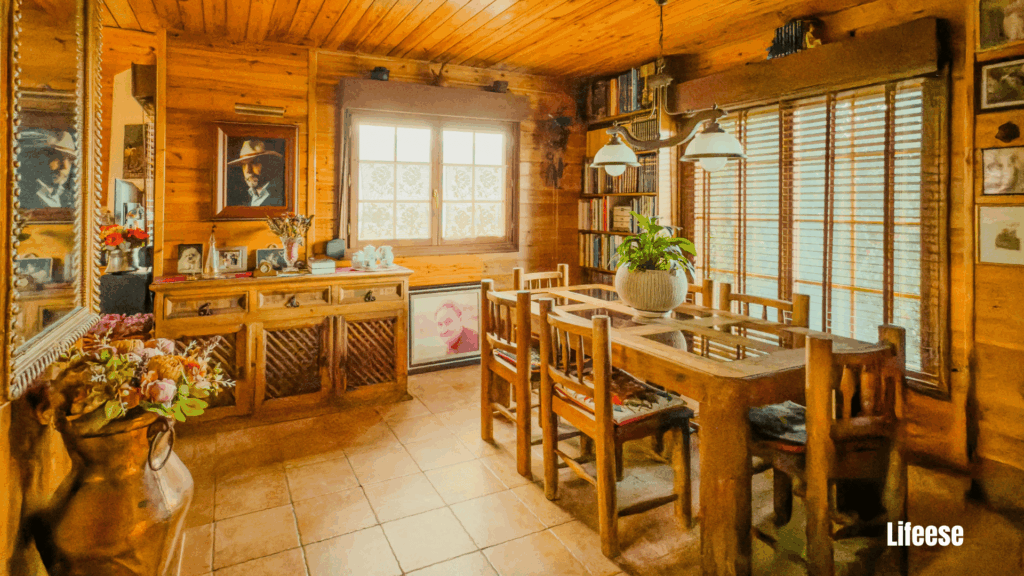
Lighting is both functional and decorative, crucial for creating warmth in a Rustic Farmhouse Dining Room. Chandeliers are a staple, with wrought iron or distressed wood designs adding traditional character. Lantern-style pendants and vintage Edison bulbs provide ambient lighting that enhances the rustic aesthetic.
Layered lighting is essential. Combine overhead fixtures with wall sconces or table lamps to illuminate the space without harsh shadows. Dimmers allow control over the mood, perfect for transitioning from casual meals to intimate dinners.
Natural light is equally important. Large windows with light, breathable curtains maximize daylight, keeping the room airy and cheerful. Reflective surfaces, like light-toned walls or mirrors, amplify sunlight and create a welcoming, open feel.
Ultimately, lighting should highlight architectural features, furniture textures, and decor elements while maintaining a warm, inviting glow throughout the dining area.
Wall Decor and Artwork for Farmhouse Charm
Walls in a Rustic Farmhouse Dining Room are a canvas for texture, color, and personality. Popular choices include shiplap panels, barnwood accents, or plastered walls with subtle earthy tones. These surfaces add depth, warmth, and authenticity.
Gallery walls of family photos, nature prints, or vintage artwork complement rustic interiors. Handcrafted wooden frames or distressed finishes reinforce the farmhouse vibe. Mirrors can visually expand the space while reflecting light and enhancing warmth.
Seasonal decor, such as wreaths, botanical prints, or handmade textiles, allows rotation throughout the year, keeping the room dynamic and engaging. Walls should balance functionality and aesthetics, supporting the rustic charm without overwhelming the space.
Flooring Options to Complement Your Farmhouse Dining Room
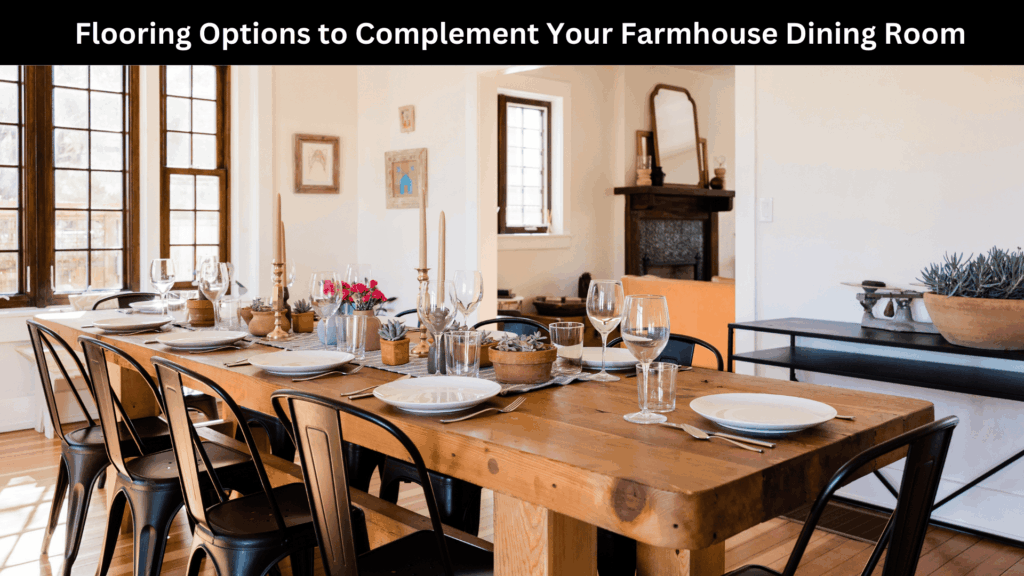
Flooring choices reinforce the rustic aesthetic while ensuring practicality. Hardwood planks, especially with a natural or distressed finish, are the most common, offering durability and warmth. Engineered wood and wood-look tiles are excellent alternatives for areas with higher moisture or foot traffic.
Layering textures with rugs enhances comfort and defines the dining zone. Jute or braided rugs bring natural charm, while patterned or woven rugs can introduce subtle color and interest. Flooring should seamlessly integrate with furniture, lighting, and wall treatments to create a cohesive rustic farmhouse experience.
FAQs
What defines a rustic farmhouse dining room?
A rustic farmhouse dining room blends natural materials, vintage charm, and warm, earthy tones to create a cozy, inviting space.
How do I choose the right table for a rustic farmhouse dining room?
Consider wood type, size, shape, and finish. Reclaimed wood or distressed finishes enhance authenticity.
Can I mix modern elements with a rustic farmhouse style?
Yes, pairing contemporary lighting, chairs, or minimalist decor with rustic elements creates a balanced modern farmhouse aesthetic.
What lighting works best in a rustic farmhouse dining room?
Layered lighting using chandeliers, pendant lights, wall sconces, and natural light enhances warmth and atmosphere.
How can I incorporate color into a rustic farmhouse dining room?
Stick to muted earth tones, soft neutrals, and subtle accent colors like muted green or charcoal to maintain cohesion.
What flooring is ideal for a rustic farmhouse dining room?
Hardwood, engineered wood, or wood-look tiles with natural finishes complement the rustic aesthetic.
Conclusion
Creating a Rustic Farmhouse Dining Room is about combining functionality, warmth, and timeless charm. From the right table and seating arrangements to lighting, decor, and flooring, each element contributes to a space that is welcoming, practical, and full of character. By embracing natural materials, layered textures, and personal touches, you can design a dining area that becomes the heart of your home—a place where memories are made, meals are shared, and rustic charm meets modern comfort.